Why Enterprise Blockchain Is Moving Beyond Public Chains
Wesley Crook of FP Block says blockchain is shifting toward enterprise infrastructure, predictable costs, and chain-agnostic apps as AI speeds up MVPs.

Genzio

Why Enterprise Blockchain Is Moving Beyond Public Chains
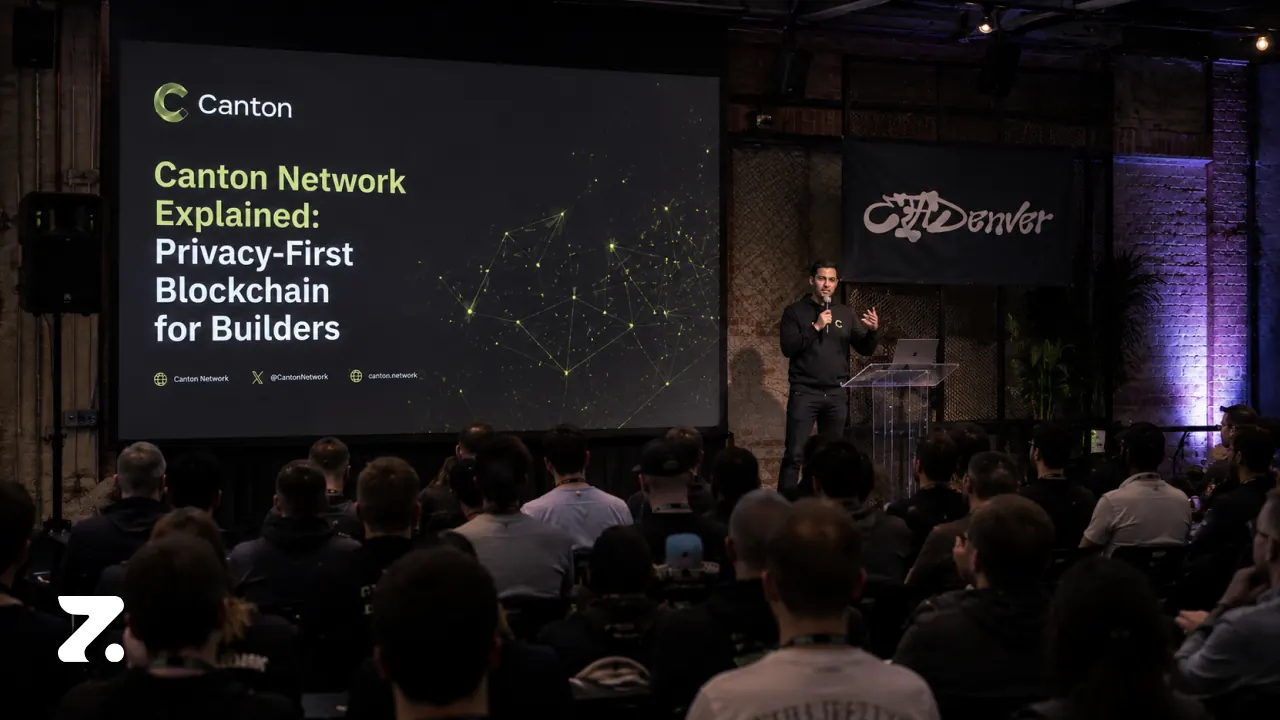
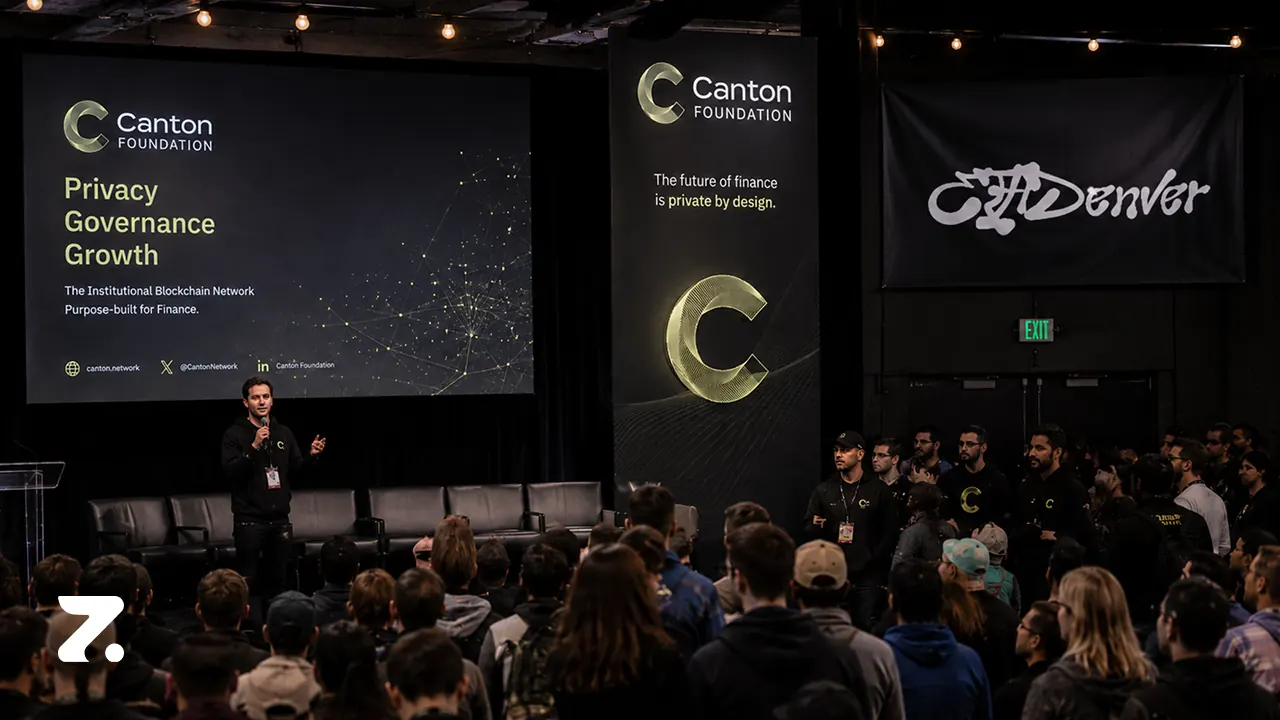
At ETH Denver 2026, Wesley Crook, CEO of FP Block, described a market that is maturing fast. The loud, speculative phase of blockchain is giving way to a more practical era focused on enterprise infrastructure, predictable costs, and real business workflows. In his view, the future is not about forcing companies onto public chains. It is about building systems that let businesses use blockchain benefits without exposing core operations to unnecessary complexity. For more on the company behind that thesis, see FP Block’s enterprise blockchain approach.
What ETH Denver 2026 Revealed
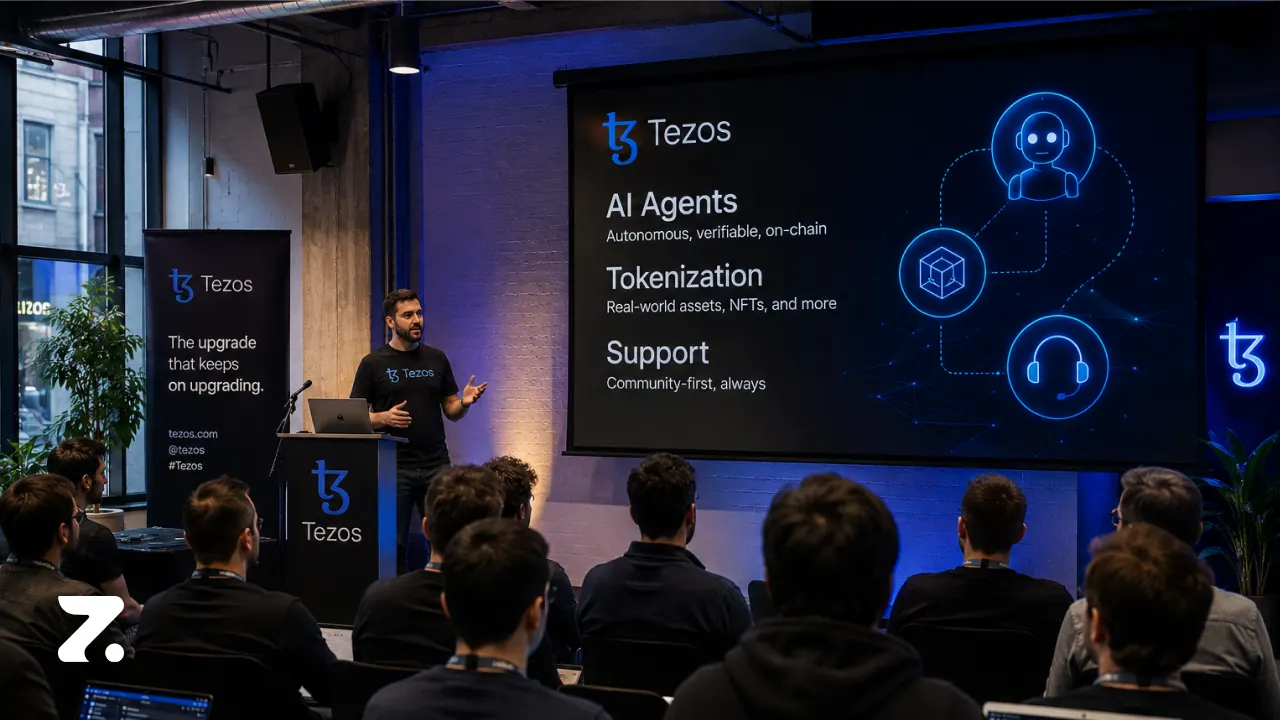
Crook said this year’s event felt smaller, but more focused. The crowd was less about hype and more about serious builders, operators, and enterprise-minded attendees. That shift matters because it reflects where the industry is heading: away from noise and toward adoption. The conversations at the event centered on tokenization, real-world assets, security audits, and the operational pain points that slow enterprise adoption.
That broader trend matches what analysts have been saying about tokenization and institutional blockchain adoption. McKinsey has repeatedly argued that tokenization could become a major long-term market opportunity, while BCG has also projected large-scale growth for tokenized assets. See the broader market context in McKinsey’s research on tokenization and BCG’s outlook on tokenized assets.
The Market Is Moving Past Speculation
One of Crook’s clearest points was that the industry is shedding low-value projects. Airdrop-driven models, speculative token launches, and chain-first thinking are losing momentum. Investors and builders now want working products, real customers, and infrastructure that can survive in regulated environments.
That is why enterprise buyers care less about ideology and more about practical requirements: predictable operating costs, security, compliance, governance, and sovereignty over their systems. Public chains can still play a role, but they are often a poor fit for core enterprise workloads because gas fees, congestion, and governance exposure are difficult to control.
Public Chains, Private Systems, and Blockchain-Adjacent Models
Crook framed the market as moving into three buckets: public chains, private or consortium chains, and blockchain-adjacent systems. Public chains remain useful for liquidity and open participation. Private and consortium systems are better suited for operational control. Blockchain-adjacent models use public rails where they make sense, while keeping core systems private and secure.
That model is already visible in institutional adoption. JPMorgan has built blockchain infrastructure for payments and settlement, and Visa continues to explore stablecoin and blockchain-based payment rails. These examples show that the real question is no longer whether blockchain has value. It is how to deploy it without disrupting the systems enterprises already trust. For examples of that direction, review JPMorgan’s institutional blockchain work and Visa’s blockchain and stablecoin efforts.
FP Block’s Coleman Framework
FP Block’s answer to this problem is Coleman, a chain-agnostic framework designed to make the application layer the center of the experience. Crook’s thesis is simple: the application is the chain. In practice, that means developers can control validators, gas fees, congestion handling, compute, and storage without being locked into a single public network.
This approach is built for enterprises that need flexibility and control. It also reflects a broader industry shift toward interoperability-first infrastructure. Teams want to build once and deploy across environments, rather than rebuilding every time they move from one chain to another. Learn more about the company’s positioning at Genzio Media’s source company reference.
Why User Experience Matters More Than Chain Choice
Crook emphasized that most users do not care about wallets, chains, or technical plumbing. They want an app that works, a login that feels familiar, and a transaction that completes without friction. That is why user experience is becoming a major differentiator in blockchain products.
In the same way that most people do not think about TCP/IP or fiber when they use the internet, blockchain infrastructure should fade into the background. The product should feel simple even if the underlying architecture is complex. That is especially important for enterprise adoption, where every extra step can create friction for customers, employees, and compliance teams.
AI Is Accelerating Development, Not Replacing It
AI was another major theme in the interview. Crook argued that AI can speed up MVP creation, help teams validate ideas, and reduce the time it takes to test product-market fit. But he was equally clear that AI does not replace product vision, engineering discipline, or production deployment.
That distinction matters. AI can help teams move faster, but it cannot decide what should be built, how it should scale, or how it should meet compliance requirements. In other words, AI is an accelerator, not a substitute for strategy. For a broader view of how blockchain infrastructure is evolving, see Genzio Media’s AI News coverage and Genzio Media’s finance coverage.
What FP Block Is Building Next
Crook also outlined a busy project pipeline that reflects where demand is going. FP Block is working on tokenization of in-ground gold assets with Nat Gold and 677 Financial, a predictive markets and sports betting platform with Six Sigma Sports, a Bitcoin lending protocol on Near, and a virtual key and security project with One Ahead Technology. The company is also involved in oil and gas settlement and high-frequency trading platforms.
These projects point to a common theme: practical, regulated, high-value use cases. That is where enterprise blockchain appears to be heading. The market is rewarding teams that solve real problems, not teams that simply launch another token.
For readers who want to explore more of this shift, browse Genzio Media’s events coverage and Genzio Media’s culture coverage.
FAQ
Why is enterprise blockchain moving away from public chains?
Because enterprises need predictable costs, stronger governance, and more control over security and compliance than most public chains can provide.
What is FP Block’s Coleman framework?
Coleman is FP Block’s chain-agnostic infrastructure approach that lets applications manage their own validators, fees, congestion, and storage logic.
How does AI fit into blockchain product development?
AI helps teams prototype and validate ideas faster, but it still requires human judgment, engineering, and production planning to create a real product.
What kinds of blockchain use cases are gaining traction now?
Tokenization, settlement, payments, private consortium networks, and regulated enterprise workflows are among the strongest areas of growth.
About

Featured Posts

Explore Topics