Canton Foundation at ETHDenver: Privacy, Governance, Growth
Canton Foundation used ETH Denver to scout partners, expand its privacy-preserving Layer 1 ecosystem, and spotlight governance, rewards, and institutional adoption.

Genzio
Canton Foundation at ETH Denver: Privacy, Governance, Growth
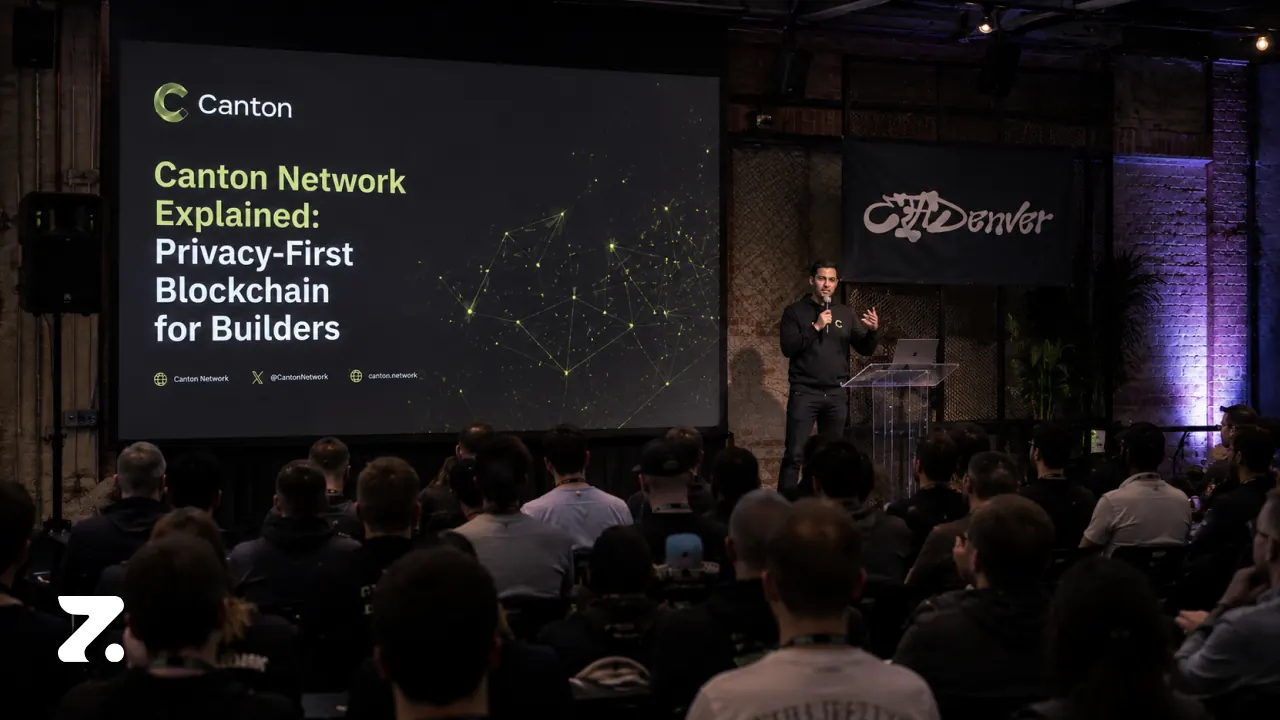
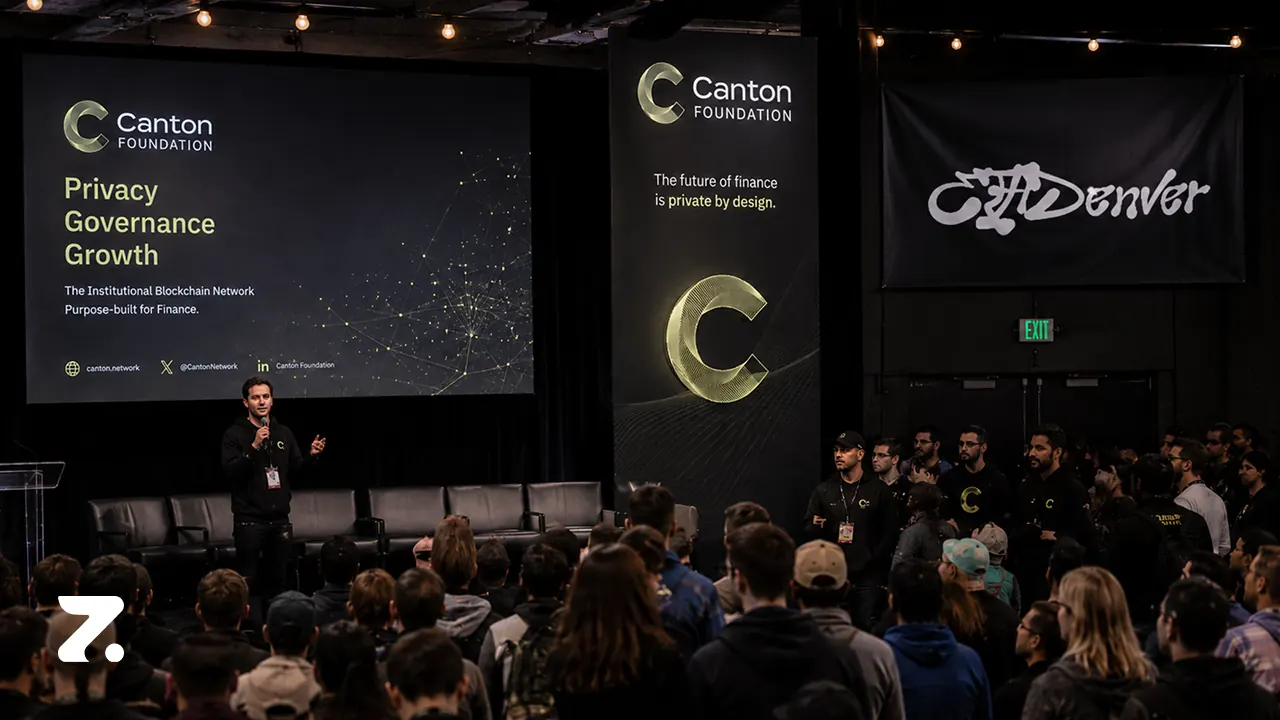
Canton Foundation arrived at ETH Denver with a clear goal: meet builders, explore partnerships, and bring more applications into the Canton ecosystem. In a market crowded with Layer 1s, rollups, and privacy protocols, Canton is leaning into a pragmatic pitch for institutions: selective privacy, network observability, and governance that supports real-world finance.
That message is paired with major ecosystem momentum, including recent token and reward updates and growing institutional attention around treasury-related use cases. For teams tracking blockchain finance trends, Canton’s strategy shows how infrastructure projects are adapting to the needs of regulated markets.
What Canton Foundation was doing at ETH Denver
For Canton, ETH Denver was less about hype and more about business development. The team wanted to understand the landscape, meet new entrants, and identify applications that could be onboarded to the network. That includes DeFi-style products, prediction markets, and other apps that can operate within an institutional framework.
Events like this matter because they create direct introductions between protocol teams and potential partners. If you're following major Web3 gatherings, this is a good example of how conference coverage fits into the wider crypto events ecosystem.
What Canton is and why it stands out
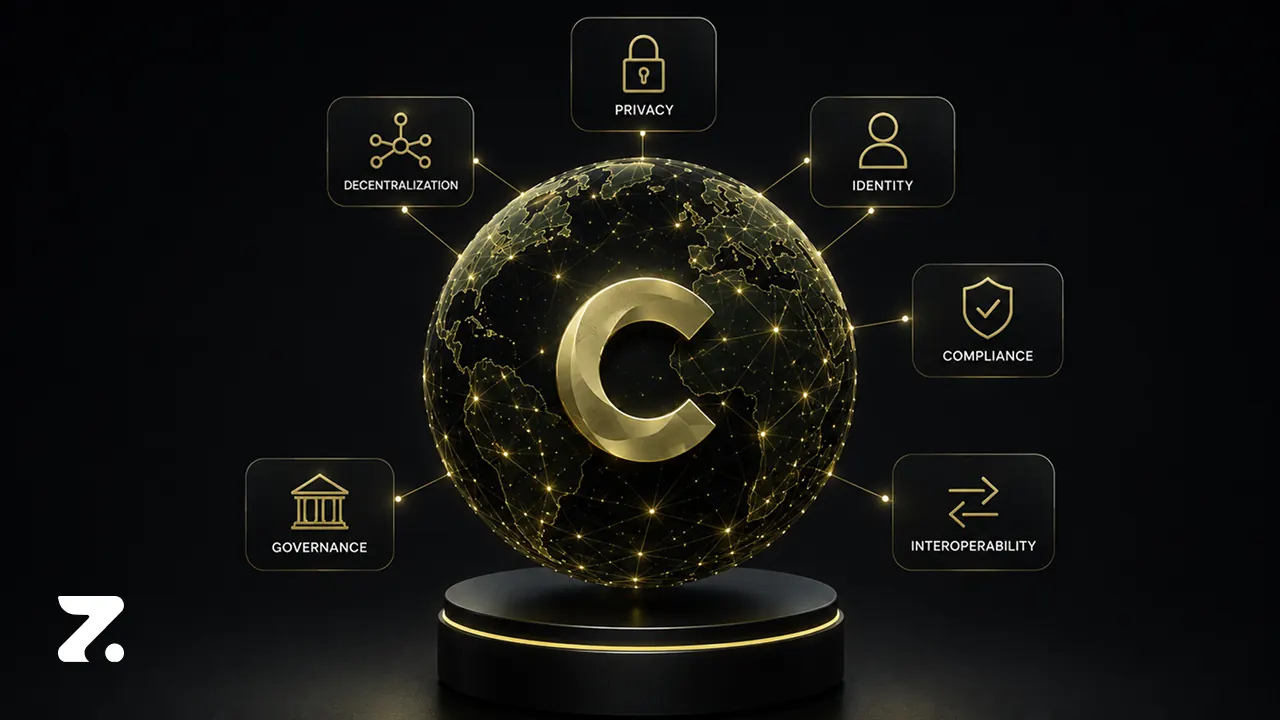
Canton is a privacy-preserving Layer 1 network originally started by Digital Asset in 2014. Its core differentiator is that privacy is built at the smart-contract level and extends to sub-transaction details, allowing different parties in a workflow to see only what they need to see.
That balance is important for institutions. A fully opaque chain can be hard to supervise, while a fully public chain can expose too much information. Canton is trying to land in the middle: confidential where necessary, observable where required. According to the team, the network already has $6 trillion in assets on chain, underscoring its institutional focus.
Ben Stolman’s role in governance and operations
Ben Stolman, Canton’s Business Operations Manager, works on governance-related responsibilities rather than traditional product marketing. His day-to-day includes evaluating featured applications, reviewing validators and super validators, and participating in committees that help keep the network healthy.
That governance layer is more important than it may sound. Institutional networks need clear standards for onboarding, due diligence, and operating discipline. It is one reason active ecosystem curation remains a central part of Canton’s broader strategy, much like the operational oversight discussed in our broader industry coverage.
Why privacy with observability matters
Many privacy-focused blockchain projects prioritize maximum concealment. Canton takes a different approach. It argues that institutions do not simply want secrecy; they want controlled visibility. Banks, exchanges, and other market participants often need enough observability to meet compliance, reporting, and operational requirements.
This is where Canton believes it can outposition both ZK-heavy networks and generalized rollup stacks. The value proposition is not privacy for its own sake, but privacy that fits financial workflows. For readers comparing blockchain models, this is a useful example of how technology design intersects with business need.
DTCC and the next growth catalyst
One of the most important developments discussed is DTCC’s planned move to bring treasuries and related workflows onto Canton. That kind of adoption can be a major traffic driver, especially because it connects the network to established post-trade infrastructure.
If the rollout expands as expected, it could provide a strong real-world use case for Canton’s privacy model and reward mechanics. It also strengthens the network’s institutional credibility, which is often the difference between a promising chain and one that gets embedded in actual market plumbing. You can learn more about the institution behind the announcement at the official DTCC site.
How Canton’s rewards model is evolving
Canton also has a changing incentive structure. Today, featured transfer rewards and activity markers help applications generate rewards. Over time, the network plans to shift toward traffic-based rewards tied to the size of message envelopes and the amount of data consumed.
That matters because it ties token incentives more closely to real usage. Instead of rewarding activity in the abstract, Canton wants to track network demand, token burn, and broader economic balance. For teams studying token design, those mechanics are part of the larger conversation around sustainable blockchain economics and future network growth.
Community visibility and ecosystem expansion
ETH Denver is just one part of Canton’s visibility strategy. The team also expects to stay active at New York events and other industry gatherings, using those venues to meet partners, exchanges, and builders who may fit the network’s institutional profile.
For the broader ecosystem, that means Canton is not waiting for adoption to happen passively. It is actively curating its network, expanding awareness, and inviting teams to build with privacy and governance in mind. If you want to keep up with institutional blockchain coverage, it is worth following the official Digital Asset platform and company updates.
Key takeaways from Canton’s ETH Denver presence
Canton is positioning itself as a privacy-preserving L1 for institutions.
ETH Denver is being used for partnership-building and ecosystem scouting.
Governance, validator quality, and onboarding standards are central to the network.
DTCC-related treasury activity could become a major adoption catalyst.
Traffic-based rewards may make Canton’s token economics more usage-driven.
Frequently asked questions
What is Canton in simple terms?
Canton is a Layer 1 blockchain built for institutional use. Its main feature is selective privacy, which lets participants share only the data that specific parties need to see.
Why was Canton at ETH Denver?
The team attended to meet builders, evaluate potential partners, and identify applications that could be onboarded to the network. It was mainly a business development and ecosystem-growth effort.
How is Canton different from other privacy blockchains?
Canton focuses on privacy with observability. That means institutions can maintain confidentiality without losing the transparency needed for compliance and oversight.
What could drive Canton’s next wave of growth?
DTCC-related treasury adoption is a major catalyst, along with new apps, validators, and traffic-based rewards that tie incentives more closely to network usage.
About

Featured Posts



Explore Topics