HealMint AI: Web3 Smart Ring for Personalized Health Data
HealMint AI is building a Web3 healthcare platform around a smart ring, AI wellness coaching, and user-owned health data monetization with blockchain transparency.

Genzio
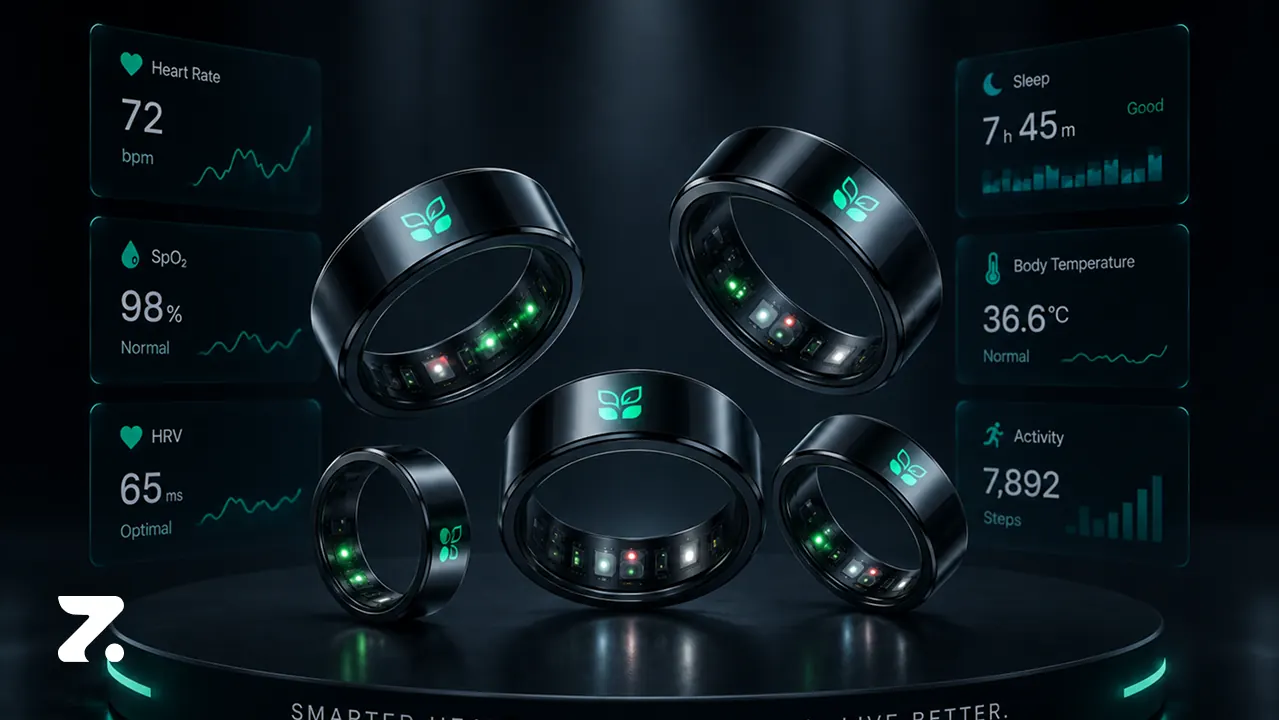
HealMint AI: Web3 Smart Ring for Personalized Health Data
At ETHDenver, HealMint AI introduced a bold vision for the future of consumer health: combine a smart ring, AI-driven wellness coaching, and blockchain-based data ownership into one platform. The result is a Web3 healthcare system designed to help users understand their bodies better while also giving them more control over how their data is used.
The concept sits at the intersection of wearable technology, personalized medicine, and consent-based data monetization. It is still in preorder stage, but the company’s pitch is already drawing attention from both the health-tech and Web3 communities.
HealMint AI at ETHDenver
For many attendees, ETHDenver is a place to explore new ideas at the edge of blockchain innovation. HealMint AI stood out by focusing on a very practical problem: how to make health data more useful, more secure, and more valuable to the people who generate it.
The conference setting also reflected the company’s message. Alongside the usual technical networking, the event featured wellness-forward spaces like a meditation area, reinforcing the idea that health and technology can coexist in more human-centered ways.
For more coverage of emerging startup stories, visit Genzio Media’s AI news coverage and the latest events coverage.
What Is HealMint AI?
HealMint AI is a Web3 and AI-powered healthcare platform built around a smart ring. The device passively tracks wellness signals such as sleep, exercise, and body temperature, then feeds that data into an AI model that generates personalized recommendations.
The company’s goal is to go beyond a simple wellness dashboard. Instead of only showing charts, it aims to translate data into actionable guidance for healthier routines, better recovery, and more informed decisions.
If you like reading about startup ecosystems and emerging technologies, see more stories in the Genzio Media category hub.
How the Smart Ring Works
HealMint AI’s ring is designed to collect health data with minimal friction. Users wear it throughout the day and night, and the system monitors key biometrics that can help reveal patterns in physical condition and recovery.
Sleep metrics
Exercise and activity patterns
Body temperature trends
Other wellness indicators
The company positions this device as a more affordable alternative to premium rings in the market while still offering an AI layer on top. For comparison, users often look at category leaders like Oura Ring’s sleep and readiness tracking, WHOOP’s recovery-focused coaching model, and Apple Health’s data aggregation ecosystem.
From Wearable Data to Personalized Coaching
What makes HealMint AI different is not just the hardware. The company wants to turn raw biometrics into a personalized wellness plan. That means analyzing patterns in a person’s sleep, stress, and activity rather than handing out generic advice.
This approach is closely aligned with the broader shift toward precision wellness and prevention. Instead of waiting for symptoms to become serious, the system is meant to help users notice trends earlier and make better day-to-day decisions.
Why Blockchain Is Part of the Model
HealMint AI uses blockchain for transparency, consent tracking, and payout visibility. In the company’s view, the biggest problem with today’s health-data economy is that users generate valuable data, but middlemen and large buyers capture most of the benefit.
With a blockchain-based system, users can see where their data goes, how it is shared, and what compensation it generates. The platform also aims to support HIPAA-aligned privacy practices, which matters whenever sensitive health information is involved.
For a deeper look at healthcare privacy rules, readers can explore the official HIPAA guidance from HHS.
User-Owned Health Data Monetization
One of HealMint AI’s most ambitious ideas is giving users a financial stake in their own health data. If a user consents to share selected data, the platform may batch and license that information to pharmaceutical companies or AI developers for research and model training.
The company says the revenue would be shared back with users, creating a system where people can potentially earn while using the product. That model is part of a broader trend toward consumer data ownership and consent-based exchange.
In theory, this could help people offset subscription costs or even earn more than they pay for the service.
Safety and Medical Responsibility
Because this is healthcare-related AI, safety is a major concern. HealMint AI says it does not replace doctors and is designed to make conservative recommendations rather than alarming users with aggressive predictions.
If the system detects signs of elevated risk, the goal is to encourage consultation with a medical professional rather than deliver a diagnosis. That matters because AI health tools can be helpful, but they can also create confusion if they overstate confidence.
The company’s approach reflects the growing scrutiny around AI in healthcare from regulators and product teams alike, including organizations such as the FDA Digital Health Center of Excellence.
Pricing and Product Status
HealMint AI says its target price is around $200 for the ring, with basic software included. More advanced features may introduce a monthly subscription, but the company expects data monetization to help users offset that cost.
The product is currently in preorder, with initial availability expected later after manufacturing and software development are completed. That means the platform is still early, but the positioning is clear: affordable hardware, AI guidance, and data ownership in one package.
Team and Credibility
The founder says the team combines experience from Stanford Hospital, data analytics, and Web3 companies such as Coinbase, Celo Foundation, and SushiSwap. The company also cites medical advisors tied to Stanford Medicine and insurance expertise.
That mix of healthcare, engineering, and blockchain background gives the startup credibility in a category where both technical execution and regulatory caution matter.
The Bigger Picture for Consumer Health
HealMint AI represents a larger shift in digital health. Consumers no longer want just step counts or sleep scores; they want interpretation, personalization, and privacy. At the same time, healthcare data is becoming more valuable to researchers and AI developers, making consent and ownership central issues.
If the company can execute well, it may show how wearable health data, blockchain transparency, and AI coaching can work together in a user-first model.
FAQ
What is HealMint AI?
HealMint AI is a Web3 and AI healthcare platform that uses a smart ring to track wellness signals and generate personalized health guidance.
How does HealMint AI make money for users?
Users can opt in to share selected health data, and the company says revenue from that data can be shared back with participants.
Is HealMint AI replacing doctors?
No. The company says its system is meant to support users and encourage doctor consultation when health risks are detected.
When will the product be available?
HealMint AI is currently in preorder, with delivery expected after manufacturing and software development are completed.
About

Featured Posts


Explore Topics