Tezos DevRel on AI Agents, Tokenization, and Support
Tezos developer relations explains how the team supports builders with clear docs, technical guidance, grants, hackathons, and AI-ready content for the next wave of onchain use cases.
Genzio
Tezos DevRel on AI Agents, Tokenization, and Builder Support
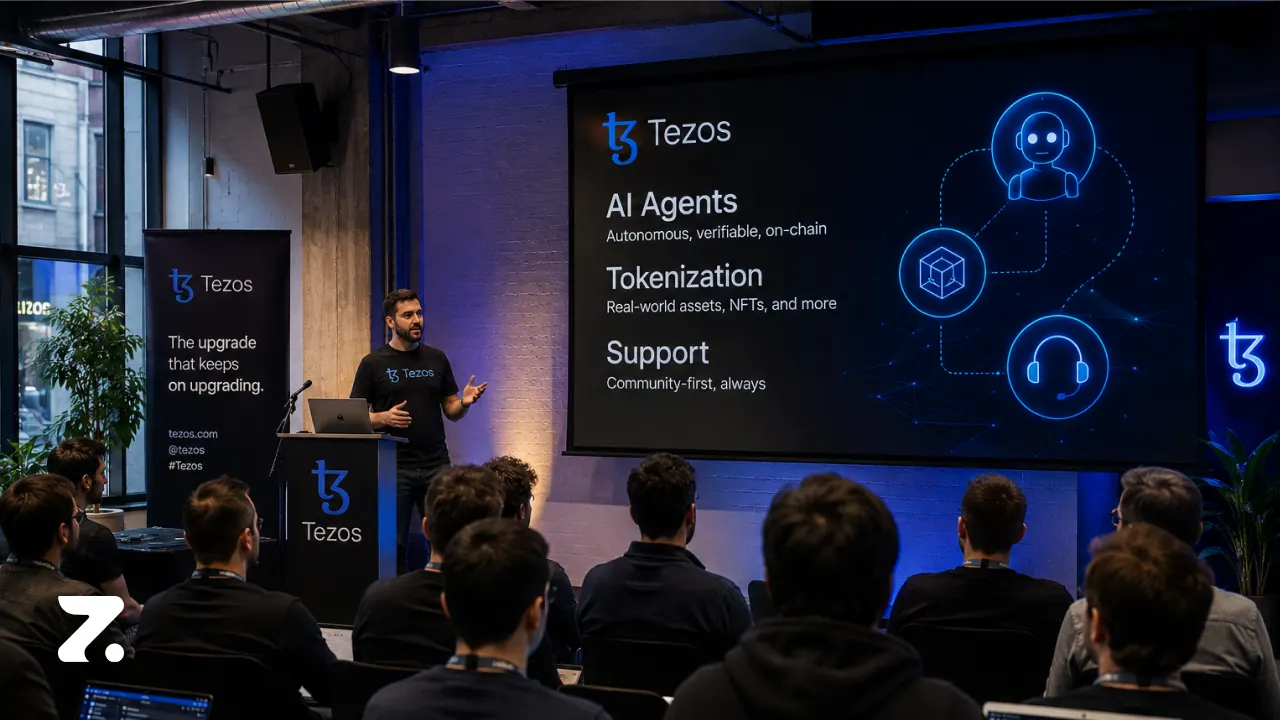
At ETHDenver, Tezos Developer Relations Engineer Adebola Adeniran described a role that is evolving fast. It is no longer just about writing documentation for developers. Today, Tezos DevRel helps translate complex protocol work into content, support, and onboarding paths that can be used by both humans and AI agents.
That shift matters because the next wave of blockchain adoption may depend on clarity, structure, and machine-readable guidance as much as raw technical power.
Tezos Developer Relations at ETHDenver
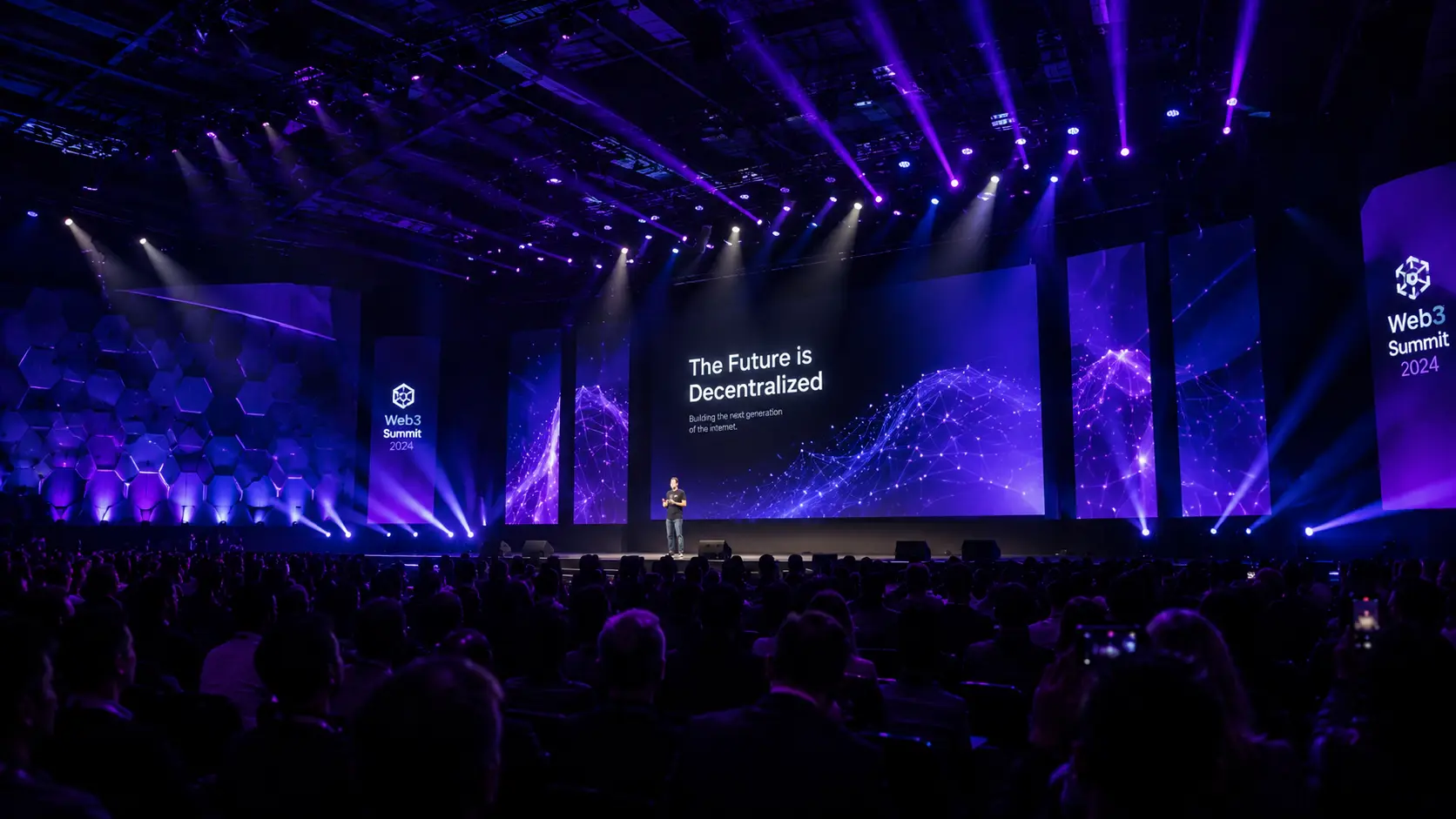
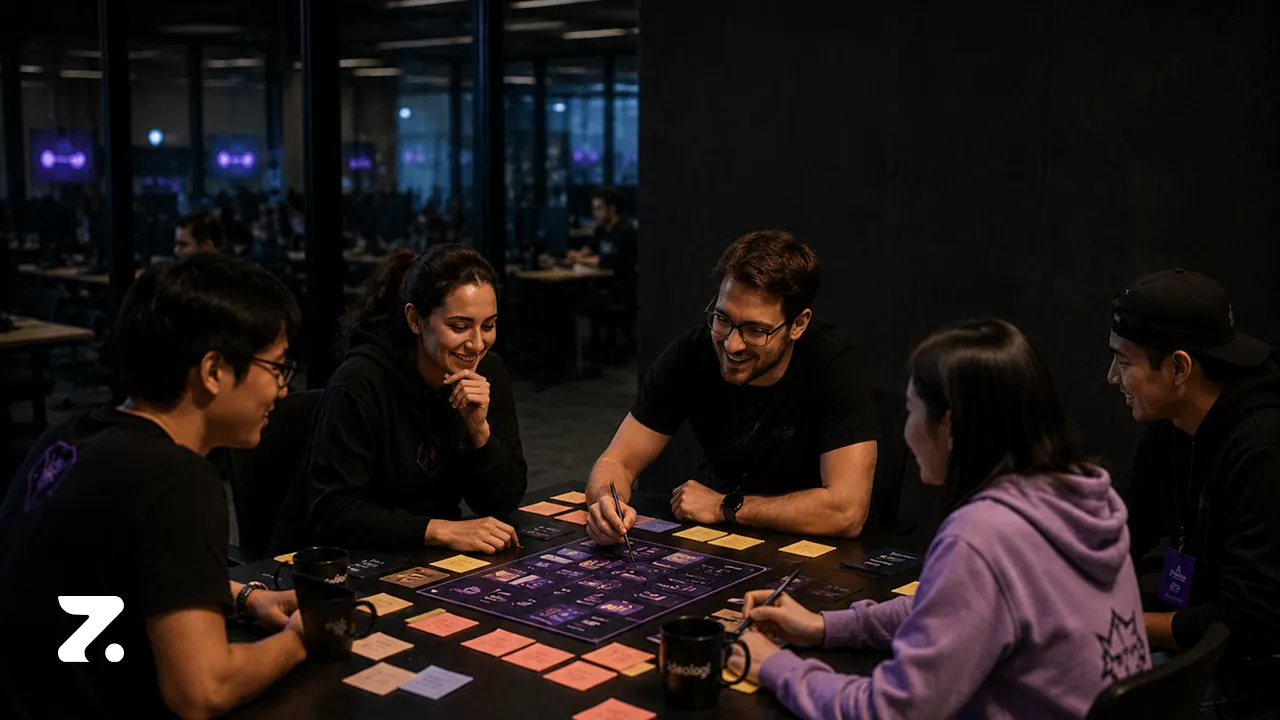
For Tezos, ETHDenver was more than a conference stop. It was a chance to meet builders, answer technical questions, and showcase what the ecosystem is building. The booth drew attention with an interactive typing game and a giveaway, creating a practical way to spark conversations with developers.
Strong booth traffic and builder interest
Interactive demos helped attract attention
Events remain an important developer acquisition channel
If you want to see how Tezos fits into the broader blockchain conversation, start with our latest AI news coverage and event coverage for more ecosystem context.
What DevRel Means at Tezos
At Tezos, developer relations is closer to a technical translation layer than a traditional marketing function. The job is to take what core engineers build and turn it into docs, videos, explanations, and support that outside developers can actually use.
That includes helping builders understand Tezos Layer 1, Etherlink, and the technical path from idea to deployment. It also means bridging the gap between internal protocol teams and the broader community.
Content for Humans and AI Agents
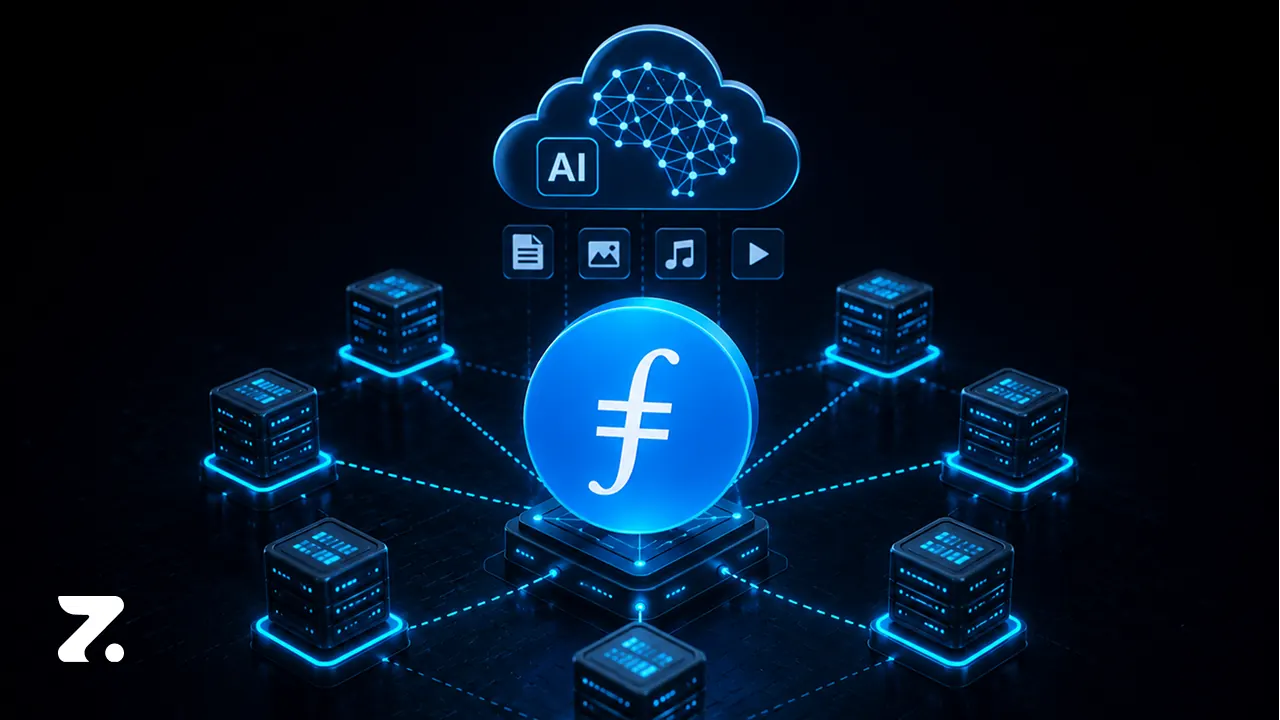
One of the most interesting parts of the interview was the idea that technical content now needs to work for AI agents too. Good documentation still needs to be readable by people, but it also needs to be structured enough for coding assistants and autonomous agents to follow without ambiguity.
In practice, that means:
Writing clear, task-oriented instructions
Reducing ambiguity in steps and terminology
Including examples and expected outcomes
Making documentation easy for agents to parse
This is why clearer docs help both developer experience and agent performance. The same resource that helps a human deploy a contract can also guide an AI tool through the process.
For more on how emerging technology shapes builder workflows, explore AI-focused coverage and our main category hub.
How Tezos Supports Developers Beyond Documentation
Tezos DevRel is only one part of a larger support system. The ecosystem also offers technical guidance, infrastructure help, grants, cloud credits, audits, and even marketing or legal support for selected projects.
Technical support for deployment and product design
Help for builders on Tezos Layer 1 and Etherlink
Google Cloud credits for early-stage teams
Foundation grants for promising projects
Security and smart contract audits
This broader approach is important because many builders need more than docs. They need a path from prototype to production.
Hackathons, Mentorship, and Builder Growth
Hackathons remain one of the strongest ways Tezos finds and supports new teams. Even if a project does not win, promising builders may still receive outreach, mentorship, or technical guidance.
That hands-on approach helps teams move from concept to working product faster. It also gives the ecosystem a direct view into which ideas are gaining traction.
Why Real-World Assets Matter
Looking ahead, Tezos is focusing heavily on real-world assets, tokenization, stablecoins, and institutional adoption. That includes use cases such as alternative assets and financial products that need secure, reliable infrastructure.
The message is simple: Tezos wants to be a foundation for products, not just a chain. That makes the protocol appealing for both crypto-native builders and traditional financial institutions exploring onchain rails.
To compare this positioning with other ecosystem coverage, check out our finance category and event stories tied to major industry conferences.
The Future of Agentic Commerce
Tezos also sees a future where AI agents interact directly with blockchains. In that world, stablecoins and smart contracts could support automated payments, commerce, and machine-to-machine coordination.
That vision is still emerging, but the direction is clear: blockchain infrastructure may become a layer that agents use to move value, not just a system humans interact with manually.
FAQ
What is Tezos DevRel?
Tezos DevRel is the team that turns internal protocol work into external technical content, developer support, and onboarding resources for builders.
Why does AI-readable documentation matter?
Because coding agents and AI assistants need clear, structured instructions to follow workflows without needing constant clarification.
How does Tezos help new builders?
Tezos offers technical support, hackathons, grants, cloud credits, audits, and community channels like Discord, Telegram, and email.
What is Tezos focusing on next?
The ecosystem is leaning into real-world assets, tokenization, stablecoins, institutional adoption, and future agentic commerce use cases.
About
Featured Posts

Explore Topics