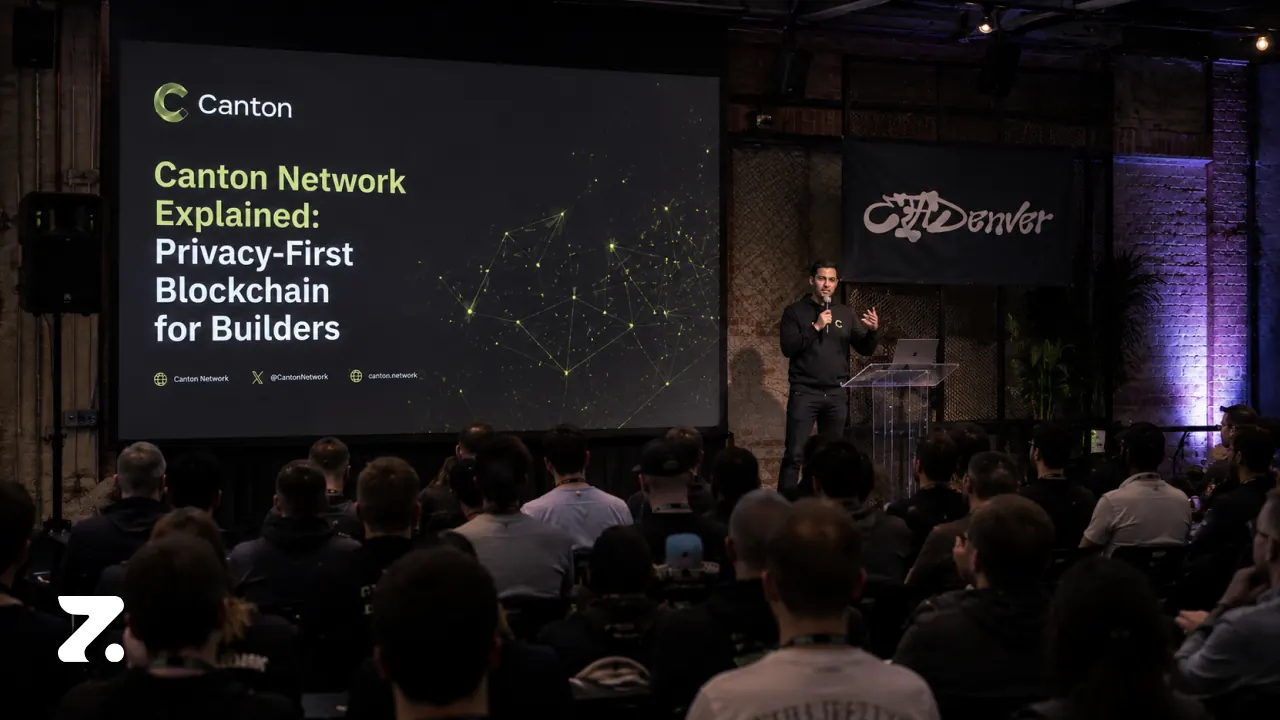
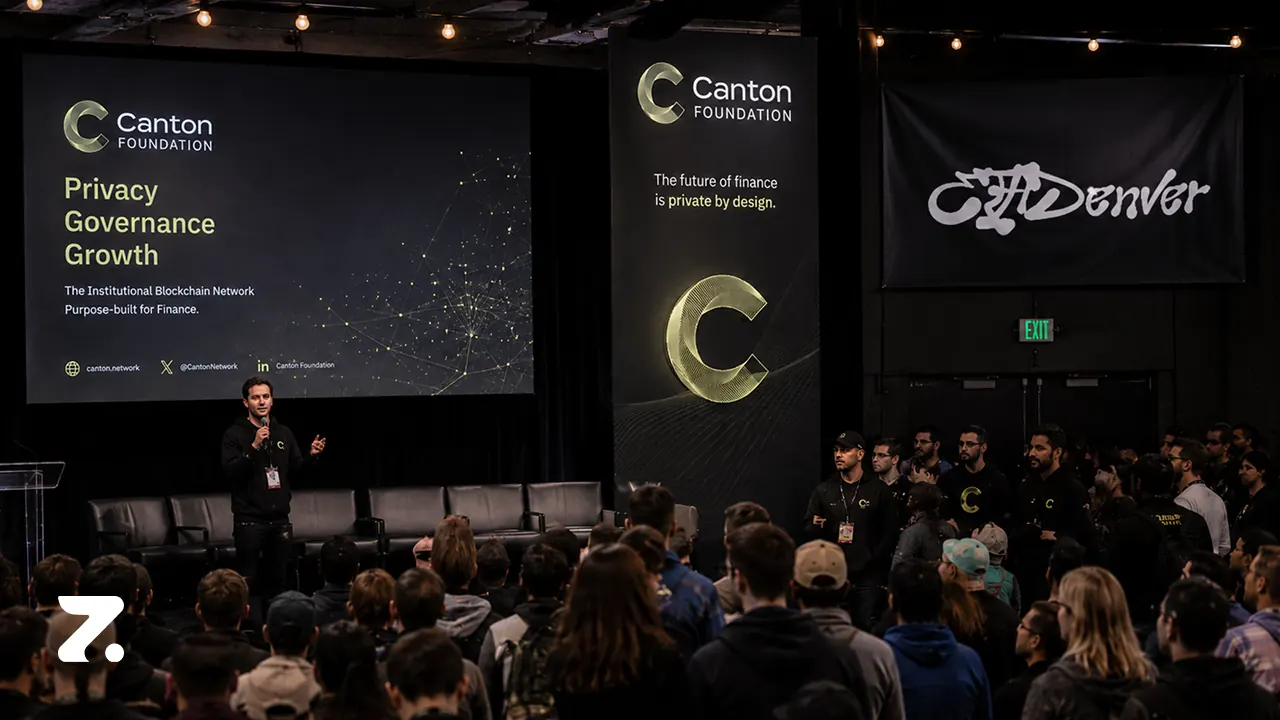
Canton Foundation Explained: Privacy-First Blockchain Governance
Canton Foundation is building a privacy-first public blockchain with neutral governance, institutional adoption, and a new developer fund to grow its ecosystem.
Genzio
Canton Foundation Explained: Privacy-First Blockchain Governance
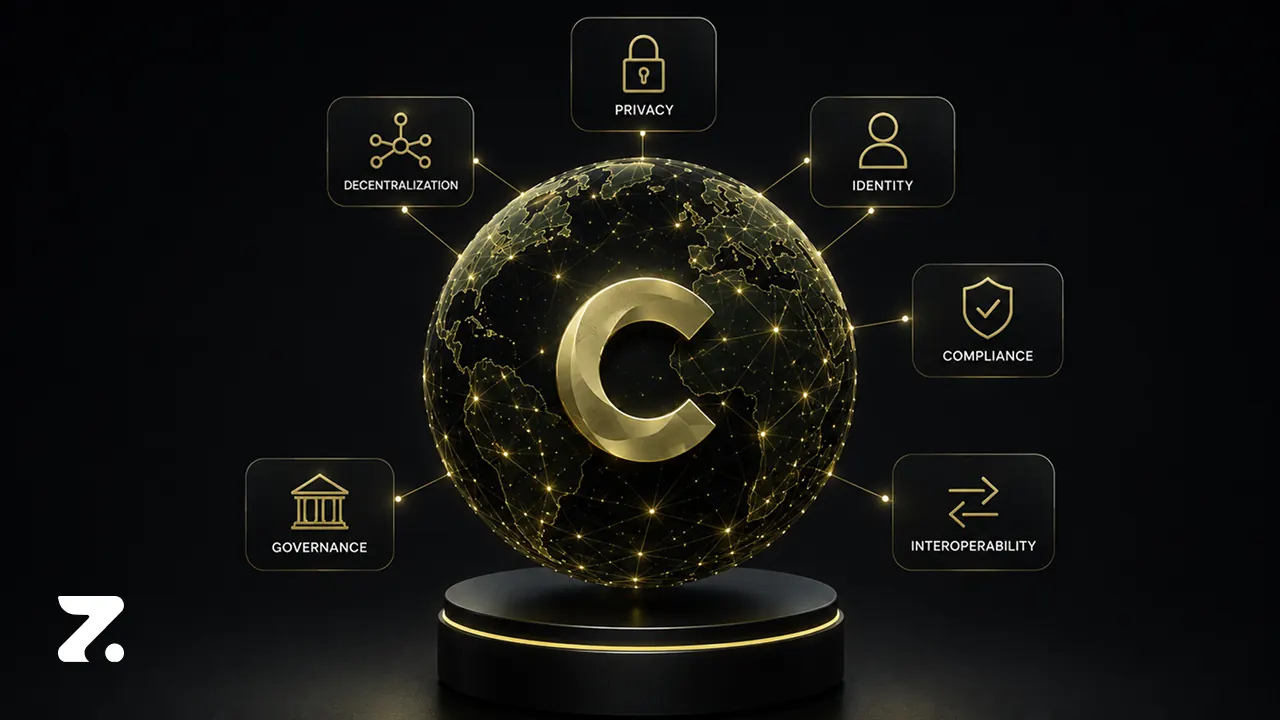
Canton is positioning itself as a public permissionless Layer 1 that solves one of blockchain’s biggest problems: privacy. Instead of forcing every transaction into a fully public ledger, it gives apps, users, and institutions more control over who sees what. That makes it especially relevant for finance, where confidentiality and compliance often matter as much as transparency.
If you’re following blockchain infrastructure, Canton is worth watching. The network is already associated with major names in institutional finance and Web3, and the Canton Foundation is helping coordinate governance in a way that aims to keep the ecosystem fair, neutral, and scalable.
For readers exploring more blockchain and fintech coverage, you can also browse our finance coverage, check out event-driven blockchain stories, or visit Genzio Media for more industry analysis.
What Is Canton?
Canton is a public, permissionless blockchain built around privacy by design. The key idea is simple: not every participant should have access to every piece of data. That matters for institutions handling securities, payments, tokenized assets, and internal workflows that should not be broadcast to the whole world.
Rather than treating privacy as an add-on, Canton makes it part of the base layer. That is a major difference from many blockchains where data visibility is fixed or overly broad.
More broadly, Canton fits into the growing conversation around blockchain’s next phase. If you want more context on market trends and ecosystem shifts, see our latest category hub.
How Canton’s Privacy Model Works
Canton’s privacy model is configurable at multiple levels. Different apps, institutions, and users can set different visibility rules for their transactions, balances, and workflow data. That flexibility is what makes the network attractive to regulated businesses.
Apps can define who can see specific data.
Institutions can apply their own privacy policies.
Users can interact without exposing unnecessary details publicly.
This structure helps balance confidentiality with compliance. In other words, it supports real-world financial use cases without forcing everything into a one-size-fits-all transparency model.
Why Institutions and Builders Are Paying Attention
Canton’s ecosystem includes names associated with both traditional finance and Web3, including Goldman Sachs, JPMorgan Chase, Circle, and Alchemy. That mix signals an important point: Canton is not trying to serve just one corner of crypto. It is aiming to become infrastructure for both banks and builders.
For institutions, the appeal is controlled sharing, privacy, and regulatory compatibility. For developers, the appeal is a public network that still supports enterprise-grade use cases.
That blend of institutional credibility and open participation is part of what makes Canton stand out in a crowded L1 market.
The Canton Foundation’s Role
The Canton Foundation acts as a neutral governance layer for the network. Its job is to help ensure fairness across participants of very different sizes, from large financial institutions to small startup teams.
That neutrality matters. Institutional partners want assurance that no single company dominates the network, while smaller builders want a level playing field. The foundation is designed to support both.
It also helps the ecosystem scale responsibly, which is crucial for a network targeting regulated finance and long-term adoption.
For broader coverage on how governance shapes crypto ecosystems, you can explore our culture and systems stories.
How KYC and Compliance Fit In
Canton does not centralize user KYC data at the foundation level. Instead, compliance responsibilities are handled by the participants on the network. That means each app or service can apply its own onboarding and permission checks, while users still benefit from privacy protections.
This is a practical model for regulated environments. It avoids turning the foundation into a huge data custodian while still allowing network participants to meet their obligations.
In short, Canton tries to make privacy and compliance work together rather than treating them like opposing goals.
Why the Developer Fund Matters
One of the biggest growth levers for Canton is its upcoming developer fund. The network has said that 5% of all Canton Coin will go into the fund, with proposal review beginning in March 2026.
This matters because ecosystem growth depends on more than branding. Builders need incentives, support, and a path to launch meaningful applications. A structured funding program can help Canton attract high-quality teams and ideas.
5% of Canton Coin is allocated to the developer fund.
Proposal reviews begin in March 2026.
The goal is to accelerate builder adoption and ecosystem depth.
Validator Participation Is Designed to Be Easy
Canton has also emphasized low-friction validator onboarding. The goal is to make participation accessible without requiring massive infrastructure. According to the ecosystem’s messaging, the hardware requirements are relatively lightweight, and the approval process is straightforward.
That matters because easier participation supports decentralization. It lowers the barrier for organizations that want to contribute to the network without running expensive, complex setups.
If you’re tracking blockchain infrastructure launches and node participation trends, you may also like our events section for conference-driven ecosystem updates.
Tools, Education, and Developer Support
Canton’s developer experience is anchored in Daml, which comes from functional programming traditions and is used for enterprise-style workflows. The network also supports certification courses, forums, and partner-led education to help developers get started.
That support layer matters. A strong ecosystem is not just about technology; it is also about documentation, onboarding, and community knowledge sharing. Canton appears to be investing in all three.
For developers, that means a clearer path from interest to deployment. For institutions, it means less friction when evaluating the network for production use.
Canton’s Long-Term Vision
The long-term ambition is ambitious but clear: make Canton a standard layer for financial transactions. That includes private transfers, securities workflows, banking rails, and tokenized value movement.
One of the most compelling parts of the pitch is the user experience. Canton aims to offer zero-gas transfers for Canton-to-Canton movement, making transfers feel closer to modern financial infrastructure than traditional blockchain interactions.
That vision is grounded in a belief that privacy is not a temporary trend. It is a structural requirement for the next generation of onchain finance.
FAQ
What is Canton in simple terms?
Canton is a privacy-focused public blockchain that lets participants control how much data is shared. It is designed for financial use cases that need confidentiality and compliance.
Why is the Canton Foundation important?
The foundation provides neutral governance. It helps keep the network fair for large institutions and smaller builders while supporting ecosystem growth.
How does Canton handle KYC?
KYC is handled by the participants using the network, not by the foundation as a central data holder. This lets apps meet regulatory needs without exposing unnecessary data.
What is the Canton developer fund?
It is a funding pool supported by 5% of all Canton Coin, designed to help builders launch new applications and grow the ecosystem. Proposal review is expected to begin in March 2026.
As Canton expands through developer support, governance, and institutional adoption, it is becoming one of the more interesting privacy-first blockchain projects to watch. For more coverage on emerging crypto infrastructure, keep an eye on our finance section and related ecosystem updates.
About
Featured Posts

Explore Topics