How Canton Foundation Is Building Open Governance and DeFi
Canton Foundation is pairing institutional finance with DeFi, open governance, and a new developer fund designed to help builders launch on a privacy-first blockchain.

Genzio
How Canton Foundation Is Building Open Governance and DeFi Growth
Canton Foundation is pushing a clear thesis: the next wave of blockchain adoption will come from networks that can serve both institutional finance and DeFi without sacrificing privacy, interoperability, or developer incentives. In a market that has grown skeptical of hype, Canton is betting on utility, governance, and real ecosystem support.
That approach is showing up in everything from its public permissionless architecture to its developer fund and governance model. For builders and institutions alike, the message is simple: this is infrastructure designed to be used, not just traded.
What Canton Network Is Built to Do
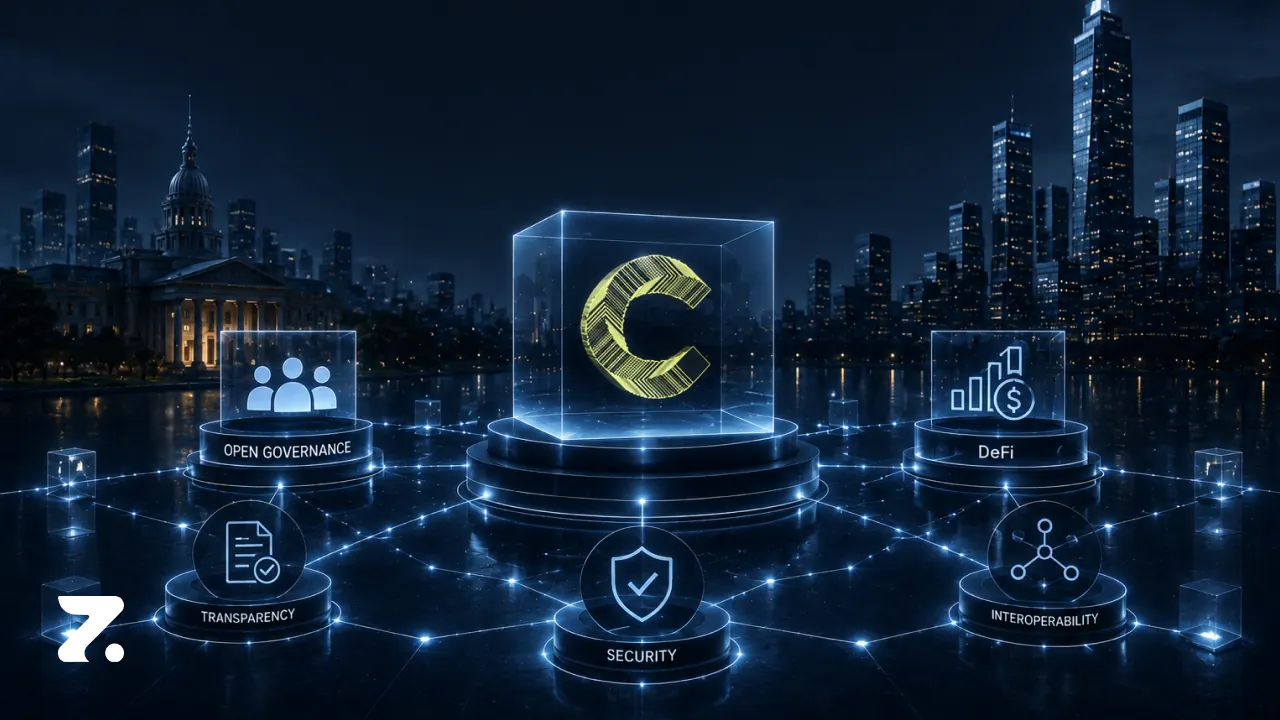
Canton is a public permissionless blockchain designed for institutional finance and DeFi. Its defining feature is configurable privacy, which lets participants control what is shared while still staying connected to the broader network.
That matters because many blockchain projects force users to choose between openness and confidentiality. Canton is trying to offer both, along with interoperability across applications and counterparties. In practice, that means the network can support financial institutions, crypto-native teams, and application builders on the same rails.
Public and permissionless by design
Built for institutional finance and DeFi
Privacy controls that are configurable
Interoperability across apps and counterparties
Why Institutions and Builders Are Paying Attention
Canton’s ecosystem already includes names that carry weight in global finance, including Goldman Sachs, HSBC, JPMorgan, and DTCC. Those references matter because they suggest the network is not just a crypto experiment, but infrastructure with potential market relevance.
At the same time, Canton is not limited to back-office workflows. Builders are already exploring prediction markets, lending and borrowing, swaps, and perpetuals. That mix of use cases points to a broader opportunity: a network where institutional-grade infrastructure and DeFi applications can develop together.
For more coverage on blockchain growth and market trends, visit our finance coverage and our events section.
Why Canton’s Long-Term Build Strategy Stands Out
One reason Canton is resonating is timing. The project was built over roughly ten years before launching broadly, which is the opposite of the typical white-paper-first, hype-heavy rollout that has dominated parts of crypto.
That patience shows up in the project’s positioning. Instead of promising inflated future value, Canton emphasizes mature technology, production-ready use cases, and a governance structure that can scale. In a market where investors and builders are increasingly looking for substance, that is a meaningful differentiator.
Ten years of development before market launch
Focus on production use cases
Utility over speculation
Governance built for long-term credibility
How Canton Foundation Governs the Ecosystem
The Canton Foundation’s role is to support transparency, neutrality, open development, and open governance across the network. Its governance model is intentionally distributed across members, super validators, committees, and public voting processes.
That structure includes a mix of traditional finance and crypto-native participants. Foundation members include major institutions as well as developer-focused groups, creating a governance model that is broad enough to represent different interests while still being structured enough to make decisions.
Public committees also contribute to the network’s direction. These groups discuss token economics, technical operations, and accountability, with votes and decisions made in the open. For readers interested in how governance works across digital platforms, see our culture coverage for broader community and power-shift analysis.
What Super Validators Do
Super validators are central to Canton’s interoperability layer and protocol governance. They help facilitate major changes through a two-thirds majority vote, which is designed to prevent any one party from taking over.
Becoming a super validator is open, but not automatic. A candidate needs endorsement from an existing super validator, then must submit a Canton Improvement Proposal that lays out value, milestones, deliverables, and timing. Existing super validators then review the proposal and decide whether the candidate should join.
Requires endorsement from an existing super validator
Needs a Canton Improvement Proposal
Must define milestones and deliverables
Reviewed through governance and public process
How Canton Prevents Governance Capture
One of the strongest parts of Canton’s model is that it includes accountability mechanisms. No single participant is meant to hold too much power, and the network can evaluate whether contributors are actually helping move the ecosystem forward.
If a super validator becomes inactive or acts against the network’s interests, proposals can be made to remove them. That kind of accountability matters for institutions, but it also matters for builders who want a fair environment where participation is earned and maintained.
This is one of the reasons Canton’s governance has drawn attention from people tracking blockchain legitimacy and protocol resilience. For more related analysis, you can browse our AI news category for emerging platform-structure stories and ecosystem innovations.
The Canton Development Fund and Builder Support
One of the biggest announcements from the Canton Foundation is the Canton Development Fund, which receives 5% of future Canton coin mining. The fund is designed to accelerate ecosystem growth through direct support for builders.
That support includes grants, research and development assistance, tooling, security audits, reference applications, and seed capital for DeFi projects. Beyond funding, the foundation also helps teams with go-to-market strategy, partnerships, and investor introductions.
In a crowded market, that kind of support can make the difference between a promising idea and a live product. For a broader look at platform ecosystems and media coverage, visit Genzio Media for the latest network and industry stories, or explore our entertainment section for related culture and creator coverage.
Why ETHDenver 2026 Matters
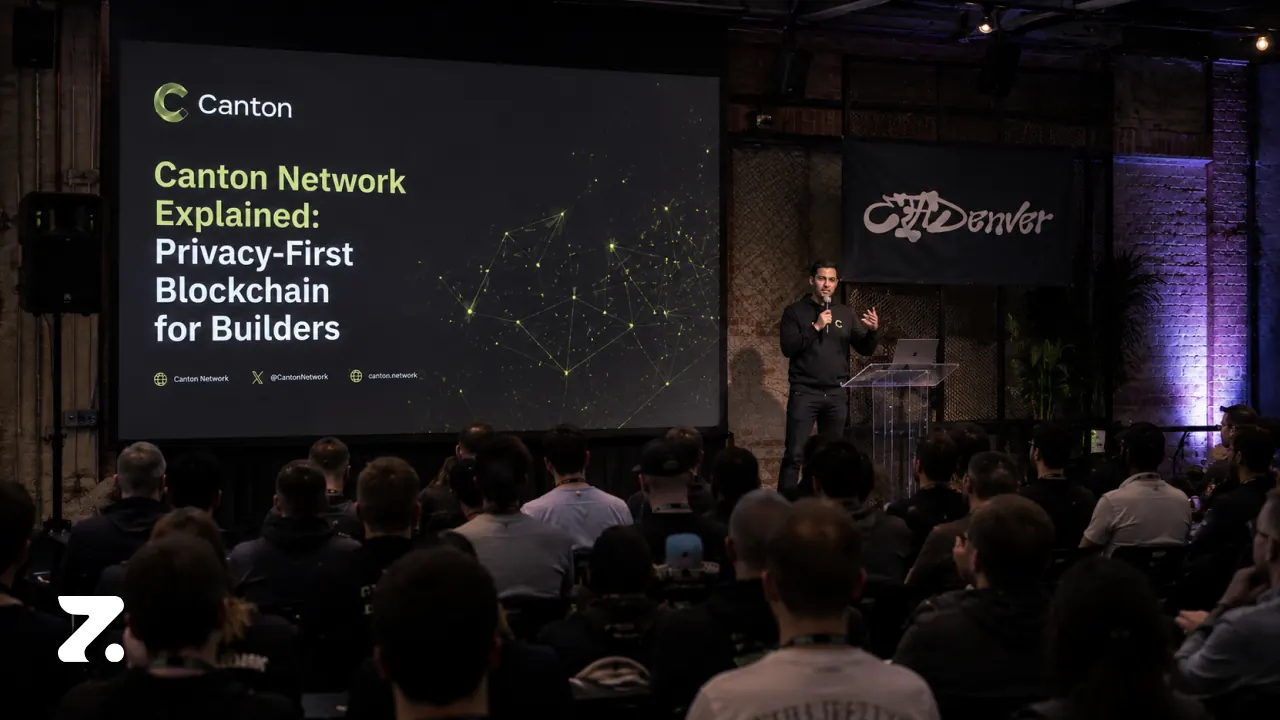
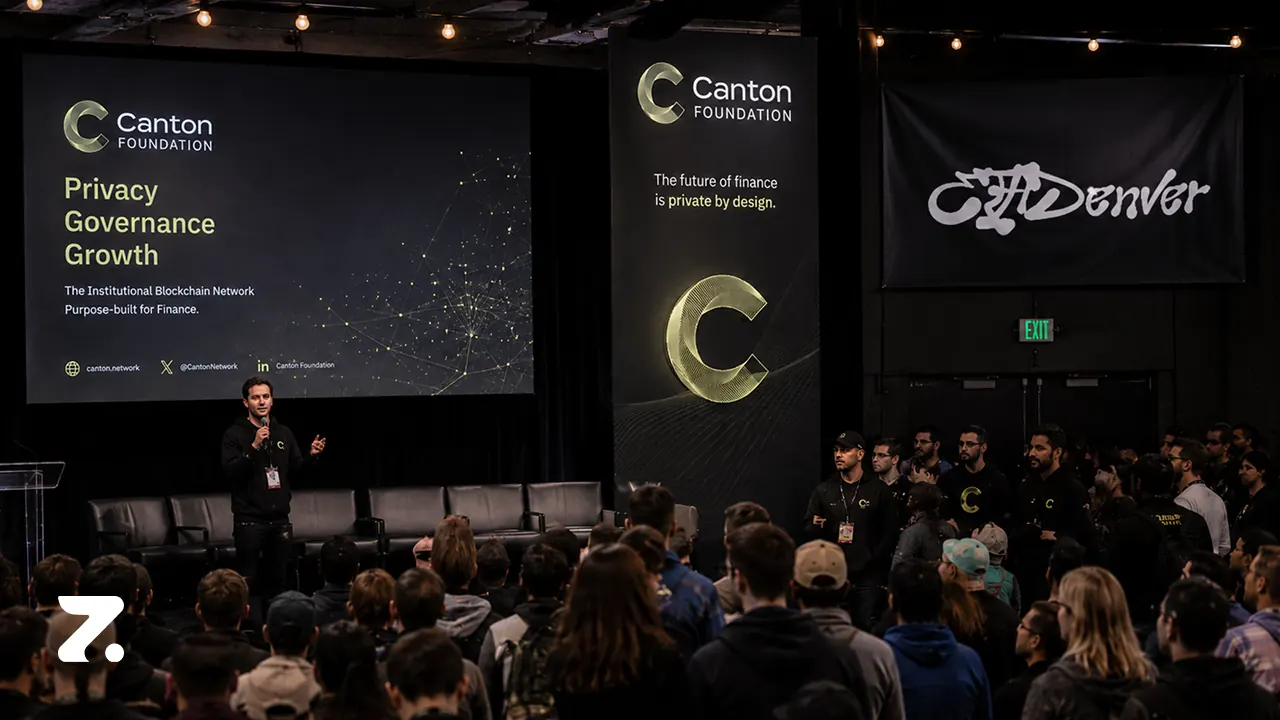
ETHDenver 2026 gave Canton Foundation a major opportunity to introduce the network to new builders, promote its hackathon, and spotlight the development fund. That kind of event strategy is important because blockchain ecosystems often grow fastest when they create a strong early builder community.
The foundation’s pitch is straightforward: Canton is early enough that new applications can still stand out, but mature enough to offer real infrastructure and incentive alignment. For builders, that means the chance to launch into a network where utility is rewarded and contributions are valued.
Frequently Asked Questions
What is Canton Foundation responsible for?
Canton Foundation supports ecosystem governance, developer growth, and network coordination. It helps manage committees, incentives, and the broader structure that keeps the network open and balanced.
How is Canton different from other blockchains?
Canton combines public permissionless access with configurable privacy and interoperability. It is designed to support both institutional finance and DeFi, rather than forcing one use case or the other.
How do developers get support from Canton?
Developers can access grants, tooling, R&D support, audits, reference applications, and go-to-market help through the Canton Development Fund and foundation ecosystem programs.
Why does the 5% future mining allocation matter?
It creates a permanent ecosystem budget for growth. That means the network is explicitly setting aside resources to support builders, which can strengthen adoption over time.
For builders, institutions, and investors, Canton is worth watching because it reflects a larger shift in crypto: fewer empty promises, more real infrastructure. If that trend continues, the networks that win will likely be the ones that can combine governance, utility, and incentives without compromising on trust.
About
Featured Posts



Explore Topics