Superform at ETH Denver 2026: Building Safe DeFi
At ETH Denver 2026, Superform outlined a crypto neo-bank vision built on self-custody, one-click yield, and safer DeFi designed to help users win long term.

Genzio
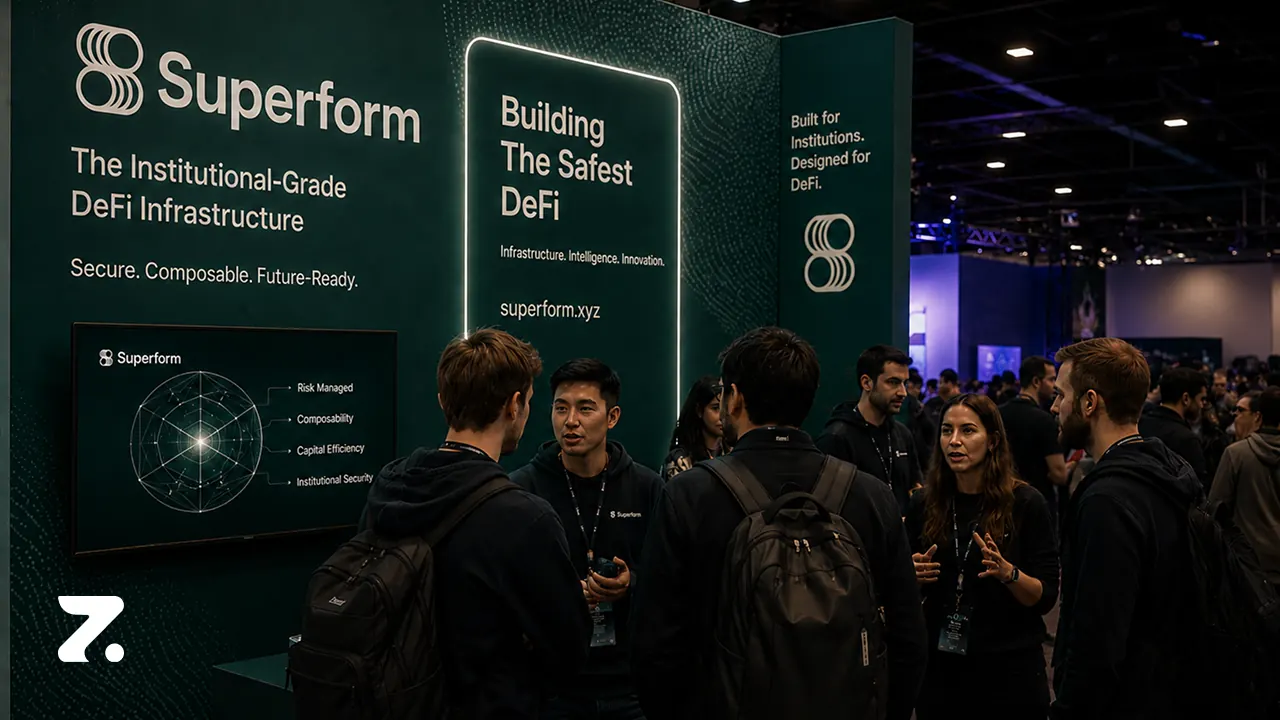
Superform at ETH Denver 2026: Building Safe DeFi
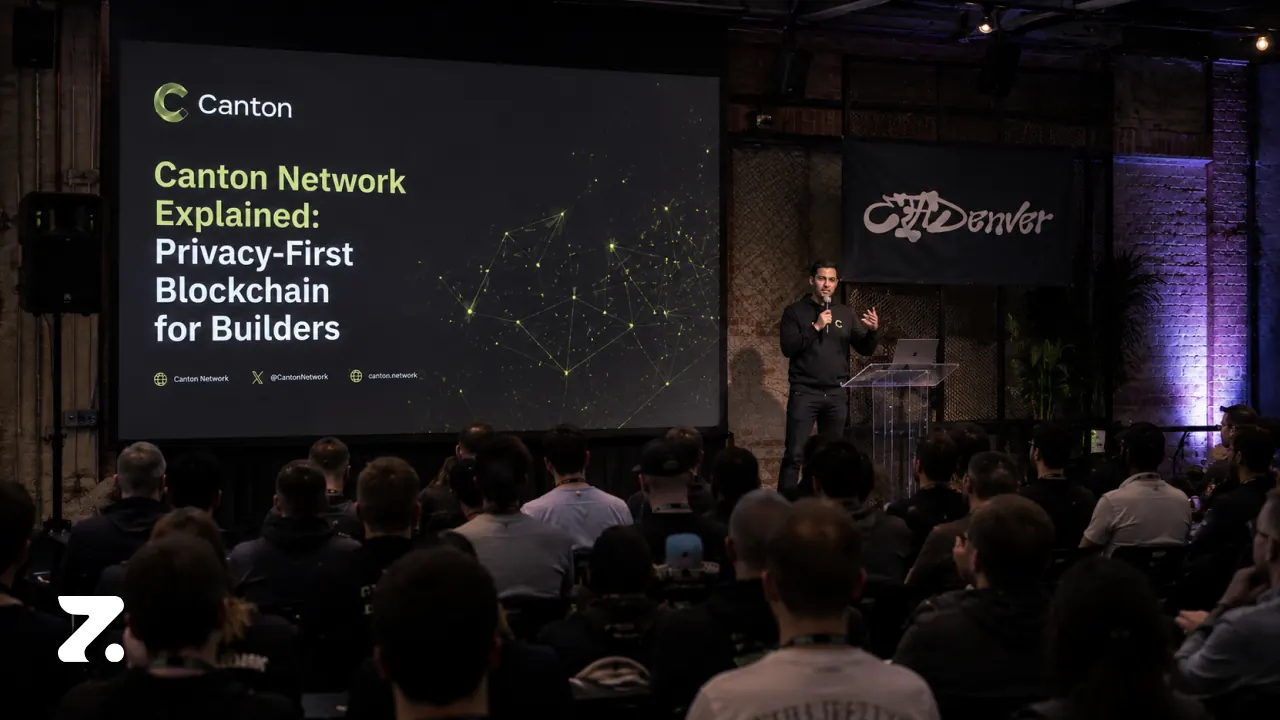
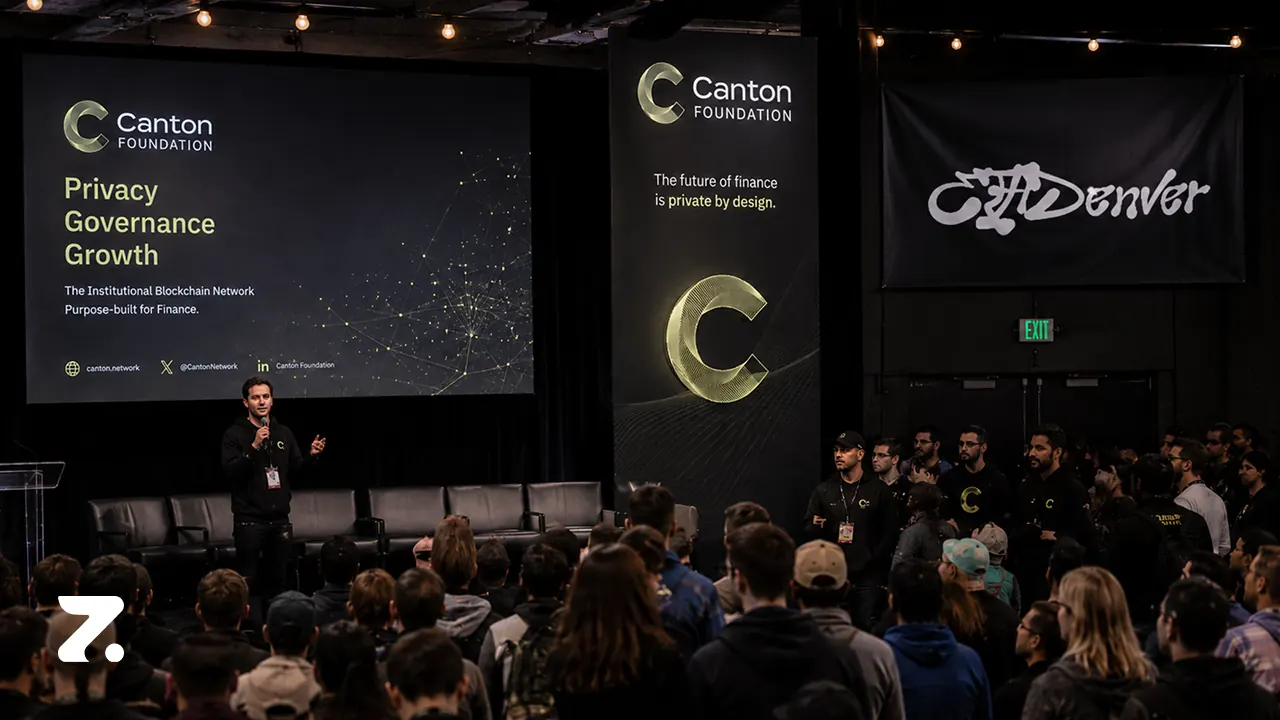
ETH Denver 2026 felt different. The hype crowd was thinner, the builder energy was stronger, and the conversations were more focused on real products than speculation. In that setting, Superform’s pitch stood out: a self-custodial crypto neo-bank that makes DeFi feel simple, transparent, and usable.
For more context on the event itself, see ETH Denver’s official site. For a broader look at how Genzio covers market-shaping moments like this, visit Genzio Media’s Events coverage.
ETH Denver 2026 Shows a More Serious Market
The biggest shift at ETH Denver was the tone. According to the interview, the tourists are gone and the room is now dominated by builders, investors, and people trying to understand where crypto goes next. That matters because it reflects a broader market reset: less noise, more substance.
Instead of chasing the next meme cycle, teams are now talking about product design, security, and long-term adoption. That is why the conversation around DeFi is changing from “who offers the highest APY?” to “who helps users actually keep and grow capital?”
What Superform Is Building
Superform describes itself as a crypto neo-bank. The idea is straightforward: give users access to financial services on-chain without forcing them through the usual DeFi maze. Users can earn in USD, USDC, BTC, or ETH through the app or web, while staying self-custodial and avoiding KYC.
That positioning matters. Superform is not trying to be another protocol dashboard. It is trying to become a banking layer for crypto-native users who want yield, ownership, and simplicity in one place. Learn more about the platform at Superform’s official website.
The Real Product Advantage: Hiding DeFi Complexity
Superform’s core thesis is UX simplification. The platform aims to hide the hardest parts of DeFi, including bridging, swapping, gas management, protocol selection, and rebalancing. Users should not need to understand every moving part just to deposit capital and earn yield.
That is where one-click deposits and auto-compounding vaults come in. Instead of manually managing positions, users can let the system handle the mechanics behind the scenes. This approach is similar to the broader evolution of vault-based DeFi, a topic Genzio Media has explored in its Finance coverage.
For readers interested in how yield strategies have evolved, it is also worth looking at Yearn Finance, one of the early references for automated vault strategies in DeFi.
Why “Safe DeFi” Matters
The speaker’s bigger argument is that DeFi has underperformed relative to its potential. Not because people do not care, but because too many users have lost money through complexity, poor design, and repeated mistakes. In that view, the real opportunity is safe DeFi: products that help users preserve capital, compound over time, and understand what is happening with their money.
This is also where stablecoin infrastructure and transparent on-chain finance become important. USDC remains a major building block for on-chain financial products, and Circle is one of the most important companies in that ecosystem. Safe DeFi is not just about returns; it is about trust, clarity, and better outcomes.
Who Superform Is Built For
Superform is designed for two groups. First are advanced DeFi users who want visibility into strategy allocations and governance rights. They can inspect how capital is distributed across protocols and make informed decisions. Second are everyday crypto users who want a simpler way to access yield without learning every technical detail.
That dual-audience model is important because it lets Superform serve both sophistication and simplicity. Power users keep control and transparency, while newer users get a cleaner path into DeFi. For more on the broader category of crypto products and user behavior, explore Genzio Media’s AI News section for adjacent coverage of emerging tech shifts, or browse the main Genzio Media category hub.
On-Chain Asset Management Is Going Mainstream
One of the most interesting parts of the interview was the institutional angle. Superform wants asset managers and crypto funds to launch investment products fully on-chain, where users can verify allocations and track where every dollar goes. That is a major shift from traditional finance, where the structure is often opaque.
The company’s backing from VanEck and Circle adds credibility to that vision. It also reflects a broader trend: on-chain asset management is becoming more institutional, more transparent, and more productized. For a useful reference point on institutional finance, see VanEck.
Governance, Ownership, and the UP Token
Superform also leans into ownership. Users can stake UP tokens and participate in governance decisions, including listings, incentives, partners, and buybacks. That gives active users a real role in shaping the platform rather than just using it passively.
This matters because it reinforces the idea that Superform is building a shared financial network, not just a consumer app. Governance is not a side feature here; it is part of the product identity. For readers following ownership and participation models, Genzio Media’s Culture coverage often examines how digital systems reshape power and participation.
The Roadmap Goes Beyond Yield
Yield is the entry point, not the end goal. Superform’s roadmap includes crypto cards, virtual accounts, P2P payments, lending, and insurance. Those features point toward a broader crypto-native financial stack that feels closer to a bank, but without giving up self-custody.
That direction is consistent with the wider market: users want financial tools that are easier to use, but still aligned with crypto’s core values of ownership and transparency. The challenge is not just building more features. It is building them in a way that people can actually understand and trust.
Why the Next Phase of DeFi Needs Pragmatism
The interview also made a pragmatic case for working with regulators and Wall Street rather than treating them as permanent enemies. If DeFi wants to scale, it has to coexist with compliance realities and institutional expectations. That does not mean abandoning crypto principles. It means building products that can survive in the real world.
That is the deeper message behind Superform’s “Trojan horse” framing: bring traditional capital on-chain through better products, better transparency, and better user outcomes. In that sense, the future of DeFi may depend less on ideology and more on execution.
What Superform Signals for the Future
Superform is part of a larger shift in crypto. The market is moving away from pure speculation and toward products that help users win long term. Self-custody still matters. Transparency still matters. But the winning products will also need to feel simple, safe, and familiar.
That is why Superform’s pitch resonates. It is not promising magic. It is promising a better structure: one-click access, automated vaults, on-chain visibility, and a path toward real financial utility. In a market that has learned the cost of complexity, that may be exactly what users want.
FAQ
What is Superform?
Superform is a self-custodial crypto neo-bank focused on simplifying DeFi access and yield through one-click deposits and automated vaults.
Why was ETH Denver 2026 important for this conversation?
The event reflected a more serious builder-led market, making it a strong backdrop for discussions about practical DeFi products and long-term adoption.
How does Superform differ from a regular DeFi app?
It hides much of the technical friction in DeFi and presents the experience more like a banking product, while keeping users in control of their assets.
What does “safe DeFi” mean in this context?
It refers to products that combine better UX, transparency, and risk-aware design so users can preserve capital and compound over time.
About
Featured Posts




Explore Topics