Nexus CEO Daniel Marin on Building a Layer 1 for Verifiable Finance
Daniel Marin explains how Nexus is combining zero-knowledge tech, a dual-core architecture, and a native stablecoin to build a Layer 1 for verifiable finance.

Genzio
Nexus CEO Daniel Marin on Building a Layer 1 for Verifiable Finance
Nexus is taking a different path from most blockchain projects. Instead of trying to be a general-purpose chain for everything, it is building a Layer 1 designed specifically for verifiable finance. That means combining zero-knowledge technology, a specialized exchange core, and a native stablecoin into one system built for performance, sustainability, and institutional use.
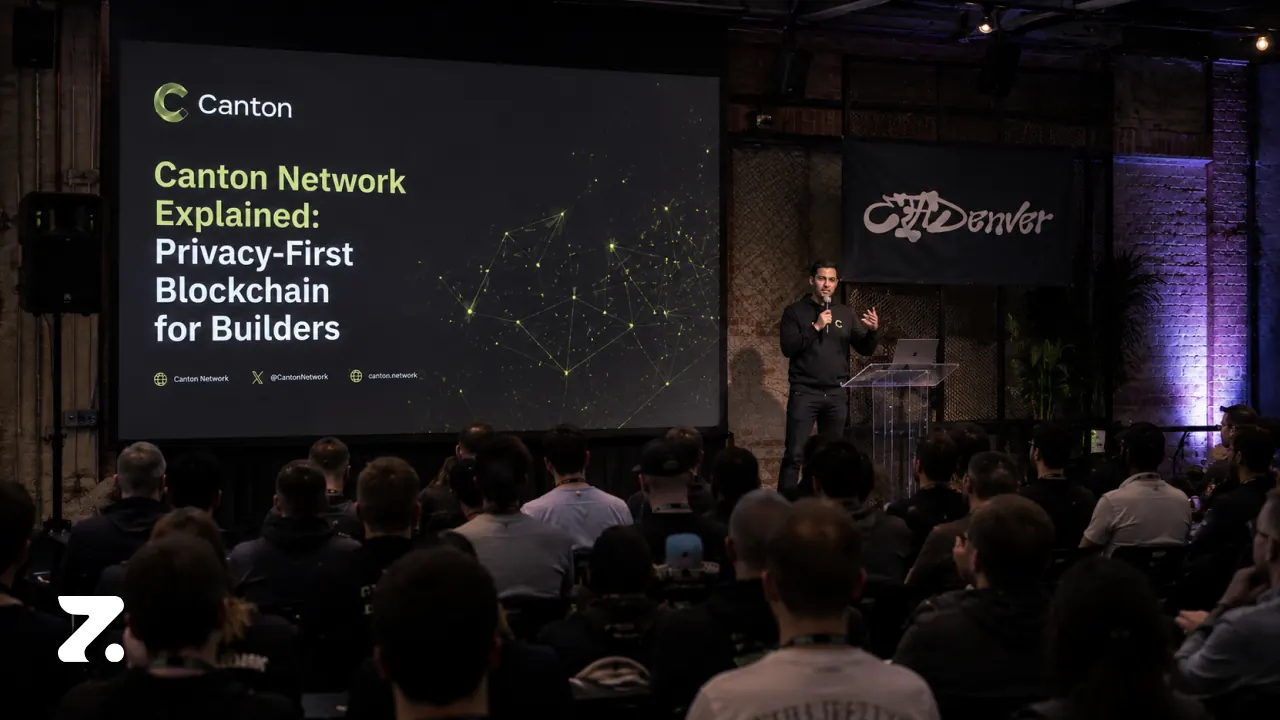
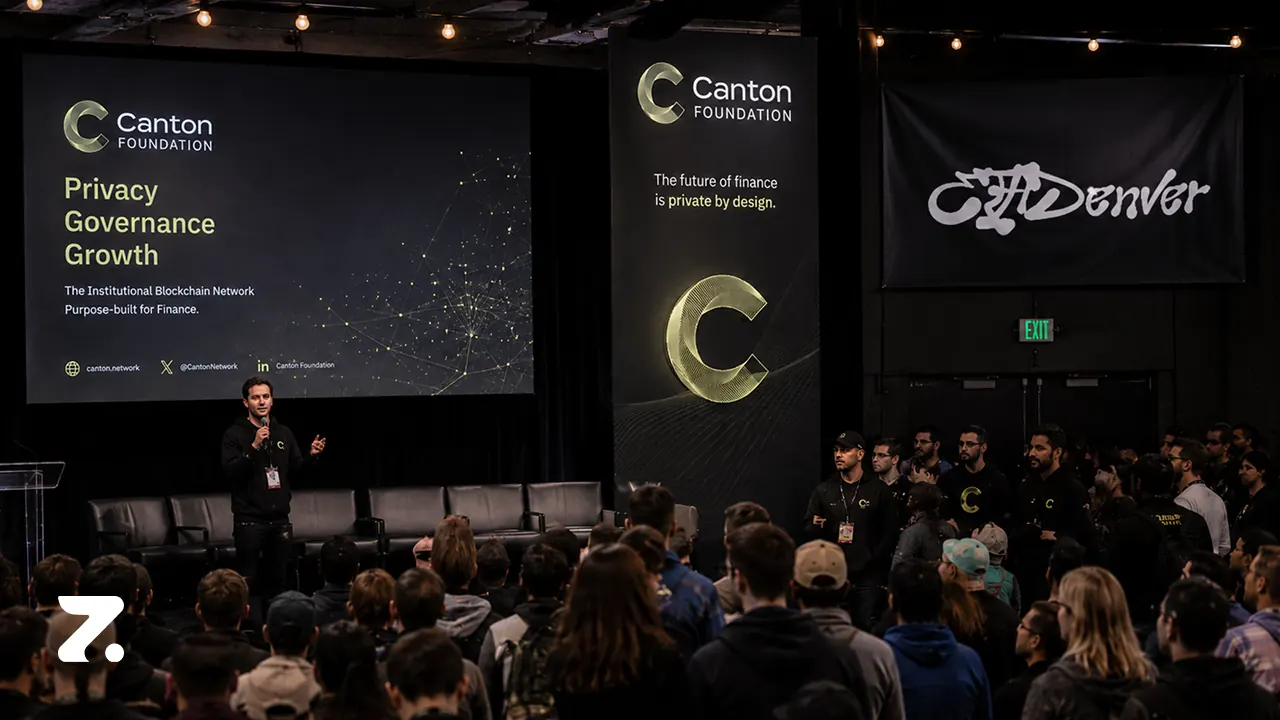
In a conversation from ETH Denver 2026, founder and CEO Daniel Marin outlined the project’s thesis: blockchains should not only be scalable, but economically productive. For Genzio Media readers tracking the next wave of crypto infrastructure, Nexus is a strong example of how the market is shifting toward purpose-built financial rails.
Learn more about the project on the official Nexus website.
What Is Nexus?
Nexus describes itself as a Layer 1 for verifiable finance. The idea is simple: instead of asking one blockchain to support every possible use case, Nexus focuses on financial applications that benefit from speed, composability, and provable execution.
The stack includes:
A zero-knowledge and verifiable computation foundation
The Nexus KVM, or zero-knowledge virtual machine
An EVM core for general execution
An exchange core for specialized trading functions
A native stablecoin designed with protocol economics in mind
This approach reflects a broader trend in crypto: specialization is becoming more valuable than broad generality when the target market is high-performance finance.
Daniel Marin’s Technical Background
Marin’s background helps explain why Nexus is so technically ambitious. He studied physics and mathematics, competed twice in the International Physics Olympiad, and later moved into computer science, artificial intelligence, and cryptography at Stanford.
He also participated in the Stanford Blockchain Club and a Stanford blockchain accelerator, where the early version of Nexus took shape. That combination of math, computation, and cryptography shows up clearly in the project’s design philosophy.
For readers interested in the broader ecosystem, Genzio Media also covers AI and emerging technical infrastructure and finance innovation.
Why Zero-Knowledge Technology Matters
Zero-knowledge proofs are central to Nexus because they make computation more verifiable. In practical terms, that means a blockchain can prove that execution happened correctly without forcing every participant to re-run every step.
Nexus sees this as more than a scaling tool. It is the basis for a new kind of financial infrastructure where trust, performance, and transparency can coexist. The company’s emphasis on general-purpose verifiable computation also suggests a long-term bet: future financial systems will need both programmability and proof.
For a broader look at the ecosystem, Ethereum remains the key reference point for EVM architecture, and the Ethereum Foundation’s official site is a useful baseline for understanding that model.
The Dual-Core Architecture
One of Nexus’s most interesting ideas is its dual-core design. Rather than forcing every function through a single execution layer, the chain separates responsibilities:
EVM core: supports general-purpose smart contract execution
Exchange core: handles specialized trading logic inside the chain
This matters because financial applications often need different performance characteristics than ordinary smart contracts. A perpetuals exchange, for example, needs low latency, fast matching, and a user experience closer to centralized venues than to traditional AMM-based DeFi.
Nexus argues that this separation allows the chain to preserve composability while still delivering the performance professional traders expect.
Inside the Nexus Exchange
The exchange is not an afterthought. It is being built as a core part of the Layer 1 itself. That is a major distinction from the usual model, where a decentralized exchange is deployed as a set of contracts on top of a general-purpose chain.
Nexus believes that model creates a ceiling. It can work for some use cases, but it struggles to match the speed, APIs, and execution quality of centralized exchanges. By embedding the exchange into the chain’s architecture, Nexus aims to close that gap while staying decentralized and non-custodial.
For readers following this category closely, Genzio Media’s AI News and Finance sections cover the infrastructure trends shaping onchain markets.
Relevant external references include dYdX’s decentralized perpetuals platform and Hyperliquid’s high-performance onchain trading model, both of which help illustrate the market demand for faster, more professional crypto trading venues.
The Native Stablecoin Strategy
Nexus also announced a native stablecoin in collaboration with M0. The stablecoin is meant to serve as a core economic asset for the chain, not just a payment token.
According to Marin, the stablecoin helps Nexus capture value from TVL, while the exchange captures value from volume. That creates a more durable economic model than relying only on gas fees. In other words, Nexus is trying to build a blockchain that can actually monetize the activity happening on it.
For the stablecoin infrastructure angle, the official M0 website is the best external reference.
Why TVL and Volume Are Central to the Model
Most blockchains talk about adoption in terms of users or transactions. Nexus is focused on two metrics that matter directly to protocol economics:
Volume: trading activity that generates exchange fees
TVL: capital parked in the ecosystem that can support stablecoin yield and liquidity
This is where the project’s “blockchain GDP” framing comes in. Nexus wants to measure the chain like a productive economic system, not just a technical network. That means thinking about revenue, incentives, and long-term sustainability from day one.
Who Nexus Is Building For
Nexus is clearly targeting users who need more than basic DeFi functionality. Its audience includes:
Professional traders
Market makers
Institutions
DeFi builders
AI-driven and agent-based capital flows
That last category is especially important. Marin believes autonomous systems will increasingly move capital, and those systems need fast, programmable, verifiable financial rails. In that sense, Nexus is not just building for today’s traders, but for the next generation of machine-native finance.
What the Roadmap Looks Like
The roadmap is straightforward but ambitious:
EVM mainnet launch
Exchange launch
Stablecoin rollout
Each step supports the same larger goal: turning Nexus into a financial engine that can support both general-purpose applications and specialized trading infrastructure.
For readers who want more context on blockchain design and ecosystem trends, visit Genzio Media Culture and the main Genzio Media categories page.
What Nexus Signals for the Future of Onchain Finance
Nexus is part of a larger shift in crypto. The industry is moving away from the idea that one chain should do everything equally well. Instead, the strongest projects are becoming more opinionated, more specialized, and more economically aware.
By combining ZK infrastructure, a dual-core architecture, a native stablecoin, and an integrated exchange, Nexus is making a clear bet: the next generation of blockchains will look less like generic software platforms and more like financial systems with built-in monetary policy.
Whether that vision becomes the new standard remains to be seen, but it is one of the more compelling infrastructure narratives in the market right now.
FAQ
What makes Nexus different from a typical Layer 1?
Nexus is designed specifically for verifiable finance, with an exchange core and stablecoin strategy built into the chain rather than added later.
Why is zero-knowledge technology important for Nexus?
It allows the chain to prove execution and scale more efficiently, which is especially valuable for financial applications that need trust and speed.
How does the dual-core architecture work?
One core handles general EVM execution, while the other is optimized for exchange functionality, giving Nexus more flexibility for financial workloads.
Who is Nexus trying to attract?
The project is aimed at professional traders, institutions, market makers, DeFi builders, and AI-driven financial systems that need fast and reliable infrastructure.
About

Featured Posts


Explore Topics