Movement CEO Torab Arya on Move, Payments, and Stablecoins
Movement CEO Torab Arya explains how the chain is shifting from tech-first narratives to real-world utility, with a focus on payments, remittances, and stablecoins.
Genzio
Movement CEO Torab Arya on Move, Payments, and Stablecoins
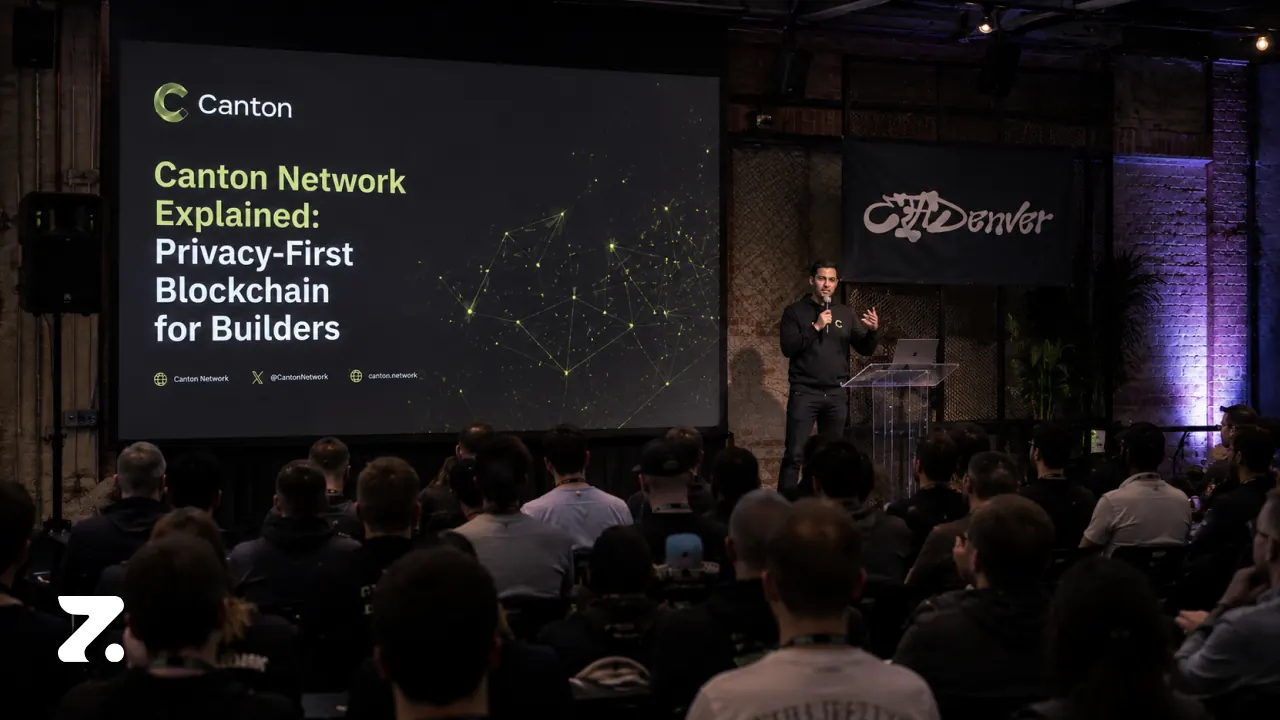
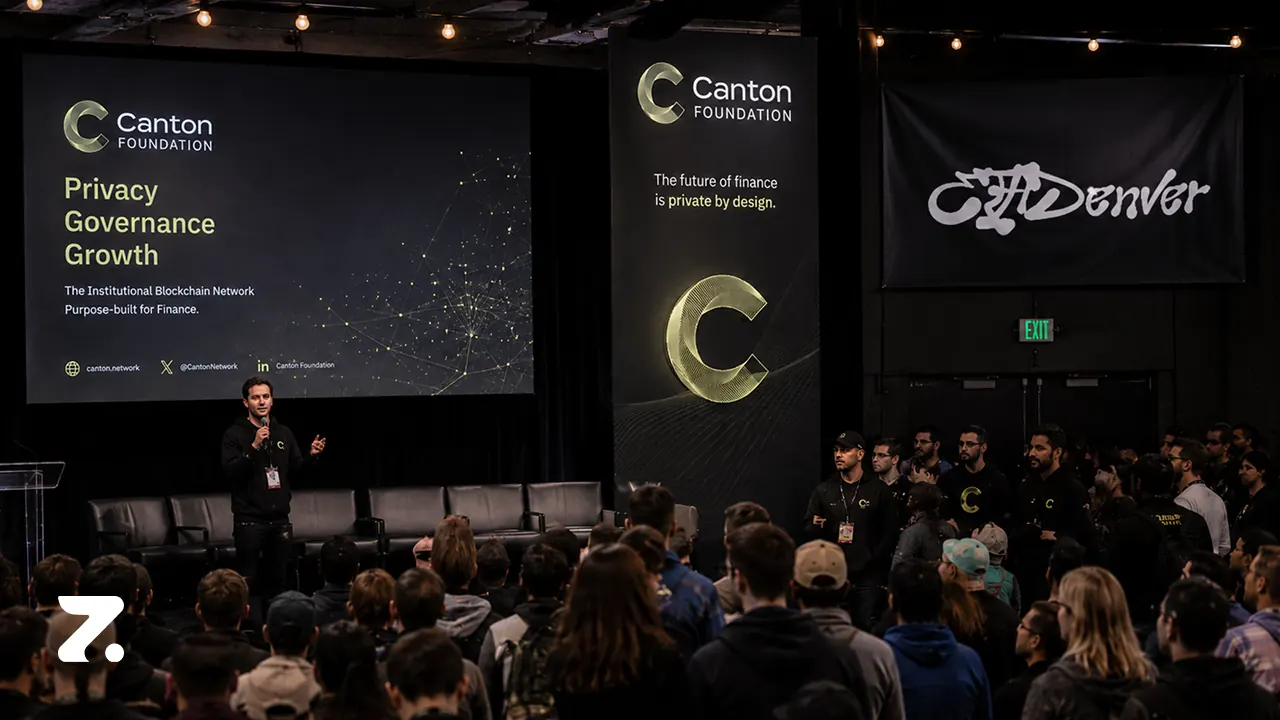
Torab Arya, CEO of Movement, is betting that the next wave of crypto adoption will come from real-world use cases, not just technical superiority. In a conversation from ETH Denver, Arya laid out why Movement is focusing on payments, remittances, and stablecoins rather than chasing hype cycles.
For readers following broader blockchain strategy, this is a useful snapshot of where the market may be headed: fewer ideology-driven chains, more product-driven ecosystems, and a much heavier emphasis on user experience. For more coverage of emerging crypto trends, visit the finance section and the main category hub.
Who Is Torab Arya?
Arya’s path into crypto is unusually grounded. He grew up in the Bay Area, studied theology at UC Berkeley, taught before moving into tech, and later worked at Salesforce, Sensor Tower, the Solana ecosystem, and Marinade. That background shapes the way he thinks about crypto: less as a speculative game, more as a system that should solve practical problems.
He also emphasized that Movement is built for the long term. With several years of runway and a team that has been working together for roughly 2.5 years, the company is planning around a 5- to 10-year horizon rather than the next market cycle.
What Is Movement?
Movement is a blockchain ecosystem built on the Move execution stack, the same language lineage that traces back to Facebook’s Libra/Diem project. Arya explained that the chain is designed to support meaningful onchain activity, not just add more block space to an already crowded market.
The company’s technical foundation matters, but Arya made clear that technology alone does not win in crypto anymore. Distribution, network effects, and the ability to solve a real problem matter more. That shift in thinking is central to Movement’s current strategy.
For readers interested in how different crypto ecosystems evolve, check out the editorial coverage in events and related industry commentary in AI news.
Why Movement Is Focusing on Payments First
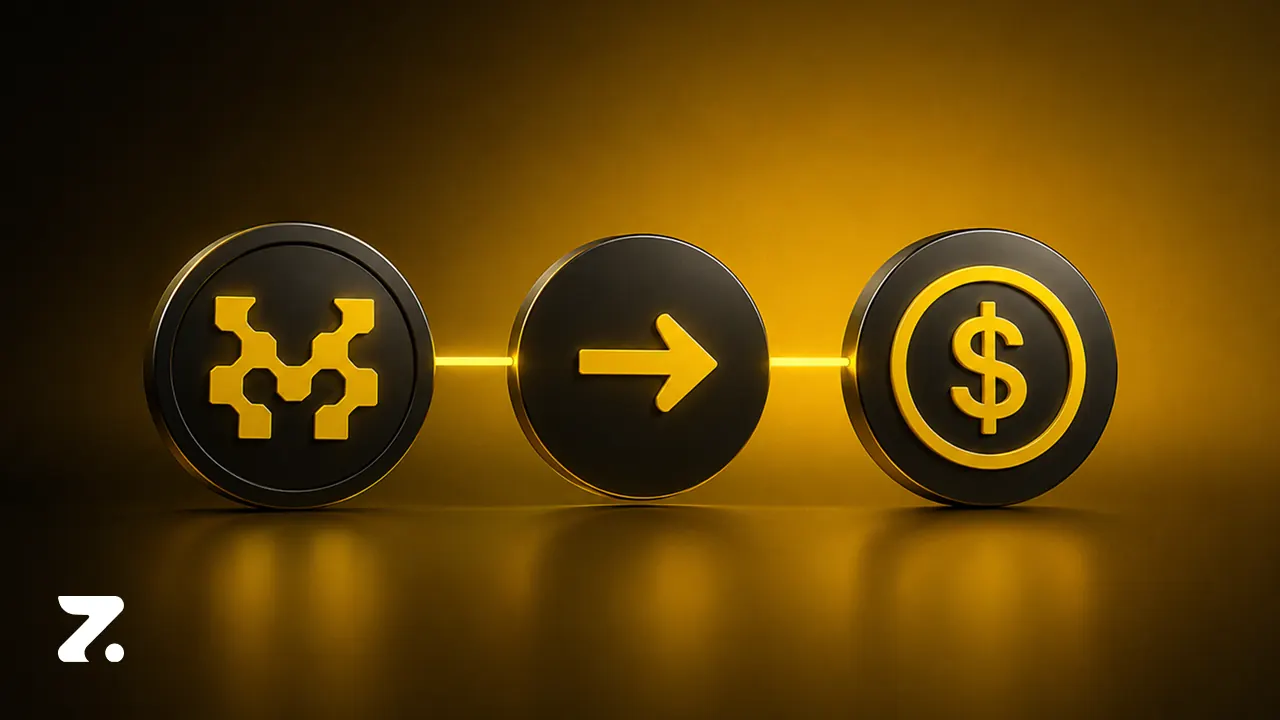
Arya said Movement is leaning hard into payments and remittances because that is where crypto can create immediate value. Stablecoins already offer faster settlement, lower fees, and easier access to dollars for users who may not have reliable banking infrastructure.
That makes the opportunity especially strong in regions dealing with inflation, weak currencies, or banking friction. Arya pointed to the Global South and Latin America as areas where stablecoins can function as a practical savings and payments layer.
He also noted that the biggest blockchain opportunities are no longer about saying, “Look, we have a chain.” They are about solving a specific money movement problem well. If you want more perspective on how this fits into the larger crypto conversation, see cultural analysis coverage.
Why Move Matters, But Is Not the Whole Story
Movement’s use of the Move language is important, especially from a safety and execution perspective. But Arya argued that most users do not choose a blockchain because of the language underneath it. They choose a chain because of product fit, distribution, and ecosystem momentum.
That is why he believes vertical specialization is becoming more common across crypto. Instead of trying to be everything to everyone, chains are increasingly focusing on a few high-value use cases and building the best possible experience around them.
Move provides a strong technical base
Distribution and network effects drive adoption
Specialization is replacing vague general-purpose positioning
Real utility matters more than infrastructure marketing
Wallet UX Is Still a Major Bottleneck
One of the biggest barriers to mainstream adoption is still wallet onboarding. Arya pointed out that crypto users were once willing to tolerate terrible UX because they were chasing airdrops. That does not work for normal users who are not getting paid to participate.
That is why infrastructure partners like embedded wallet onboarding through Privy are so important. Simplifying account creation and login can make crypto apps feel closer to familiar consumer products, which is essential if crypto wants to reach ordinary users at scale.
Stablecoins, USDC, and the Dollar Access Thesis
Arya said Movement sees strong demand for stablecoin-based products, especially those built around USDC and USDT. In his view, stablecoins are no longer just trading tools. They are becoming a financial rail for savings, remittances, and everyday access to dollars.
That theme is supported by global remittance trends and by the growing use of digital dollars in markets where local currencies are unstable. For official context, readers can review the World Bank’s remittances data and analysis and learn more about the assets powering this trend through Circle’s USDC overview and Tether’s USDT platform.
Vertical Integration and a Simpler Product Stack
Movement is also exploring vertical integration across key DeFi primitives, including lending and DEX functionality. Arya’s view is simple: too many choices create confusion, and users usually want a clear path, not an overwhelming menu of options.
By bringing more core features in-house, Movement can simplify the user journey while also capturing more value within the ecosystem. It is a practical shift that reflects the broader direction of the market.
What Comes Next for Movement?
For Arya, the next chapter is about execution. That means building products people actually use, supporting builders with grants and incentives, and continuing to focus on stablecoin-based payments in markets where crypto solves real pain points.
He is not claiming that every chain will win. In fact, he argued the opposite: only a few ecosystems will command meaningful attention, and the rest will need to find a clear role. Movement’s role, at least for now, is loud and clear—help people move money better.
FAQ
What is Movement’s main focus right now?
Movement is prioritizing payments and remittances, with stablecoins playing a central role in the user experience and product strategy.
Why does Movement use the Move language?
Move is the execution language behind Movement’s stack and comes from the Libra/Diem lineage. It offers technical advantages, but Arya says adoption is driven more by distribution and product fit.
Why are stablecoins so important to this strategy?
Stablecoins help users save, send, and hold value in dollars, especially in markets affected by inflation or weak banking rails.
What makes wallet onboarding such a big issue?
Many crypto apps still require complex wallet setup and seed phrase management. That creates friction for mainstream users, so better onboarding is essential for growth.
About
Featured Posts

Explore Topics