Merger Labs: On-Chain M&A Infrastructure for Crypto
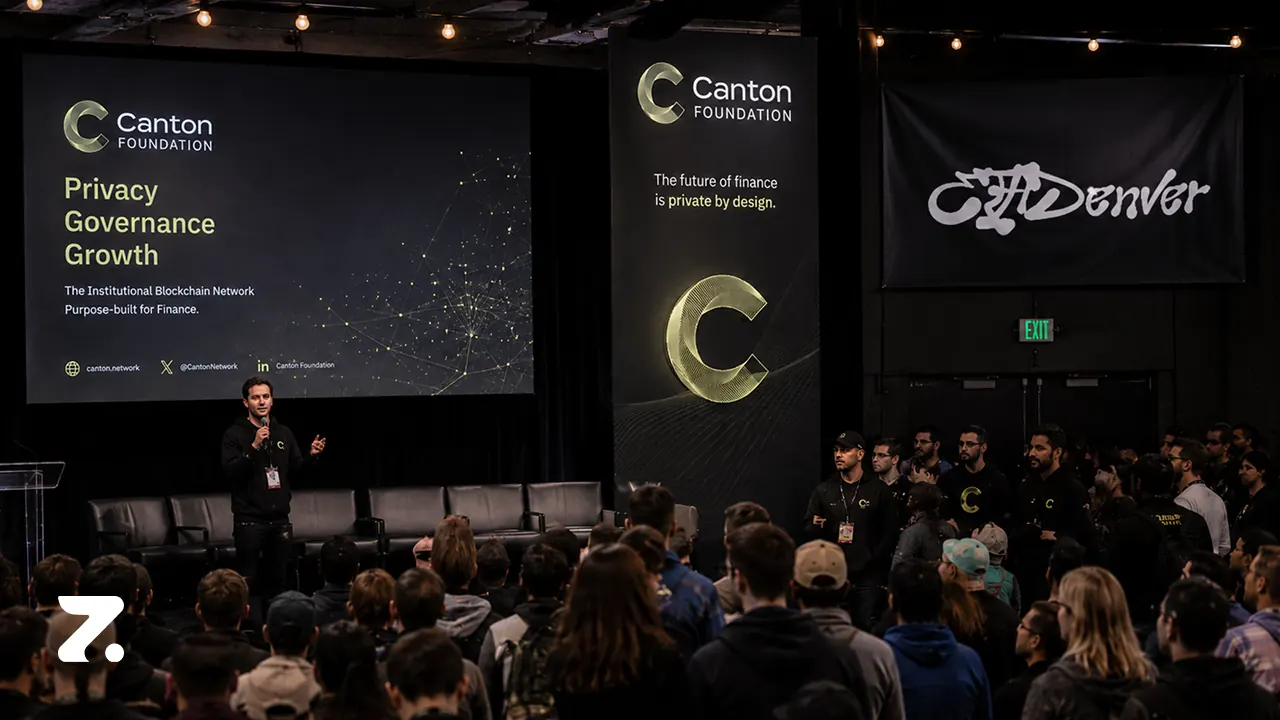
At ETH Denver 2026, Merger Labs outlined a token merger protocol that could help crypto projects consolidate communities, reduce fragmentation, and create cleaner exits.

Genzio
Merger Labs: On-Chain M&A Infrastructure for Crypto
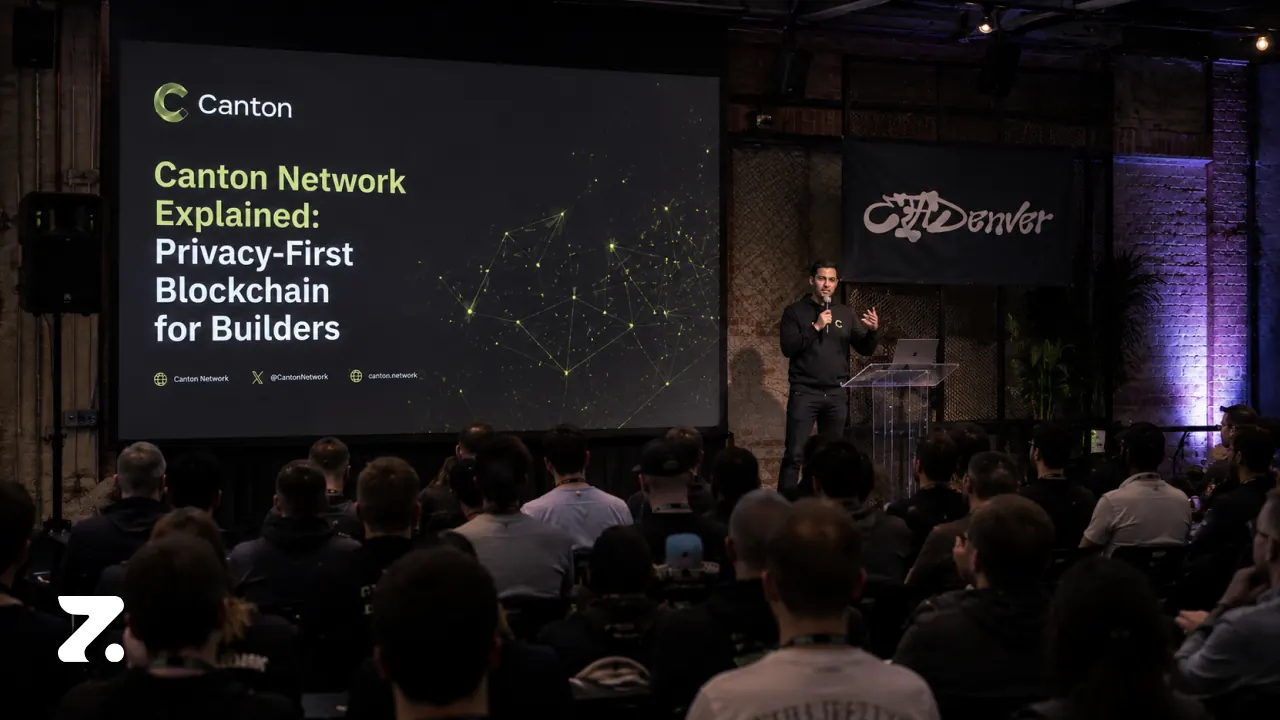
At ETH Denver 2026, Graham Bode framed a problem the crypto industry knows well: too many tokens, too much fragmentation, and not enough cleanup mechanisms. His answer is Merger Labs, a protocol designed to bring merger-and-acquisition logic on chain.
The idea is simple but powerful. Instead of forcing users through manual migration steps, Merger Labs aims to let one token merge into another through protocol-level conversion. That could change how communities consolidate, how weaker projects exit, and how developers think about growth.
ETH Denver Showed a Higher-Signal Market
Bode described this year’s ETH Denver as smaller, cleaner, and more focused than past editions. Rather than noise, he saw signal: better conversations, more serious builders, and a crowd that seemed genuinely committed to the space.
That matters because infrastructure projects often need a market that is ready to listen. For Merger Labs, the event was not just a conference appearance. It was a chance to validate the message, meet potential partners, and explain why crypto needs consolidation tools.
For broader coverage of the event and ecosystem context, see Genzio Media’s events coverage and Genzio Media’s AI News section.
Crypto’s Fragmentation Problem Keeps Growing
Crypto has made token creation extremely easy. That openness helped innovation, but it also created a long tail of assets, communities, and liquidity pools that are hard to manage. The result is fragmentation across ecosystems and attention spans.
As a directional reference, the industry now contains millions of tokens, and the number keeps growing. The issue is not just quantity. It is the lack of a native mechanism to cleanly consolidate projects when markets change, teams merge, or communities need a better path forward.
Liquidity gets split across too many assets
Governance becomes harder to coordinate
Communities lose focus
Weak projects struggle to wind down gracefully
For more on market structure and asset proliferation, explore Genzio Media’s finance coverage and CoinGecko’s market data and token listings.
What Merger Labs Is Building
Merger Labs is building what it calls a token merger protocol. In practice, that means Token A can merge into Token B, and the user base of Token B can be converted through the protocol rather than through a manual migration process.
That distinction is important. Many token transitions today require users to take action, visit a migration contract, and swap assets themselves. Participation often drops because people miss the announcement, ignore the deadline, or simply do not want to deal with friction.
Merger Labs is trying to remove that coordination failure. By making consolidation a protocol-level action, the team wants mergers to behave more like infrastructure and less like a one-off community campaign.
Learn more about the broader ecosystem at Genzio Media and compare the idea with other crypto infrastructure themes in Genzio Media’s culture coverage.
Why Protocol-Level Mergers Matter
In traditional markets, mergers and acquisitions help companies gain market share, reduce duplication, and create stronger platforms. Crypto has long lacked an equivalent mechanism at the token layer.
That gap matters because manual migrations are often incomplete. When participation is low, the new token may inherit only part of the old community, which weakens the whole restructuring effort. A protocol-level merger could reduce that problem by making conversion seamless.
Less friction for users
Higher participation in transitions
Cleaner consolidation for teams
Better continuity for communities
For readers tracking conference-driven launches, see Genzio Media’s entertainment coverage for adjacent coverage styles and narrative framing.
The Traditional M&A Analogy Fits
Bode’s presentation, titled The $40 Billion Graveyard: Why Crypto Has No M&A Infrastructure, drew a direct line from traditional consolidation to crypto. He referenced historical rollups in oil, as well as modern acquisitions like Microsoft’s purchase of GitHub and Meta’s acquisitions of Instagram and WhatsApp.
The point is not that crypto should copy traditional finance exactly. The point is that consolidation is a normal market function. When industries mature, they need ways to combine assets, preserve value, and reduce fragmentation. Crypto is reaching that stage faster than many expected.
For official context on those traditional examples, see Microsoft News Center and Meta Newsroom. For Ethereum ecosystem background, visit Ethereum.org.
Who Benefits From Token Consolidation?
Merger Labs is positioning its protocol for founders, token communities, and investors who need a cleaner path to consolidation or exit. That includes projects that want to combine forces, communities that need a simpler transition, and teams that want a graceful wind-down instead of a messy shutdown.
The upside is not just operational. Consolidation can also create strategic optionality. A project can grow by acquiring competitors, or it can be acquired itself if that is the best path for users and holders.
Founders gain a new growth path
Investors gain a clearer market structure
Communities get less fragmentation
Projects can exit more gracefully
Why ETH Denver Was the Right Launch Moment
Merger Labs spent 18 months in stealth before stepping into the public eye. ETH Denver gave the team a chance to test the message, meet builders and fund managers, and see whether the market immediately understood the value proposition.
That kind of validation matters for infrastructure companies. If people instantly say, “Why don’t we already have that?”, the product may be solving a real pain point. In Merger Labs’ case, that reaction seems to be part of the pitch.
The company’s broader thesis is that crypto needs a native consolidation layer just as much as it needs launch tools. If token creation stays easy, then token cleanup has to become easier too.
What Comes Next for Crypto Consolidation
The long-term opportunity is bigger than one protocol. If fragmentation continues to grow, consolidation may become a core part of crypto market infrastructure. That would affect how projects launch, how communities merge, and how value is preserved across cycles.
Merger Labs is betting that the market is ready for that shift. Whether the industry adopts token mergers widely or not, the conversation itself is a sign of maturity. Crypto is starting to ask not just how to create tokens, but how to organize them better.
FAQ
What is Merger Labs building?
Merger Labs is building an on-chain token merger protocol that lets one token consolidate into another with protocol-level conversion instead of manual user migration.
Why is crypto fragmentation a problem?
Too many tokens and communities can split liquidity, weaken governance, and make it harder for projects to coordinate or exit cleanly.
How is this different from a normal token swap?
A normal swap usually requires users to take action. Merger Labs is trying to make the conversion happen through the protocol itself, reducing coordination failures.
Why was ETH Denver important for the team?
ETH Denver gave Merger Labs exposure, networking opportunities, and a chance to validate its messaging after 18 months in stealth.
About
Featured Posts

Explore Topics