How Eco Is Building Programmable Stablecoin Infrastructure
Eco is pushing stablecoin infrastructure beyond simple routing, aiming to improve UX with faster cross-chain liquidity, automation, and smarter on-chain logic for applications.

Genzio

How Eco Is Building Programmable Stablecoin Infrastructure
Eco is taking a focused approach to one of crypto’s biggest infrastructure problems: making stablecoins easier for applications to use. Instead of trying to solve every asset class at once, the company is building around stablecoin infrastructure, cross-chain liquidity, and programmable workflows that can improve user experience from the ground up. Learn more about the company on Eco and see how this fits into broader coverage on Genzio Media Finance.
What Eco Does
Eco describes itself as infrastructure for stablecoins that helps applications integrate them quickly and efficiently. The goal is not just to move value, but to make stablecoins easier to embed into products without forcing teams to build complex routing logic on their own.
This matters because stablecoin adoption is growing across payments, treasury, remittances, and on-chain financial apps. As the market expands, the need for cleaner infrastructure becomes more obvious. Eco’s thesis is that better products start with better base-layer design, not with patches on top.
The Problem: Fragmented Chains Create Poor UX
The core issue Eco is targeting is fragmentation. Stablecoins exist across multiple chains and asset representations, and moving them across those environments can be messy for both builders and users. That complexity creates friction in everything from app onboarding to settlement workflows.
Eco argues that if infrastructure is weak, user experience will always suffer. Even if an app looks simple on the surface, bad routing and poor liquidity coordination underneath can make the whole experience feel slow and unreliable. For broader context on how the market is evolving, see Genzio Media AI News for adjacent infrastructure trends and Genzio Media Culture for the wider impact of digital ownership and financial tools.
Why Eco Focuses on Stablecoins
Rather than competing in a broad interoperability race, Eco is intentionally narrowing its scope to stablecoins. That choice gives the company a clearer product category, a more understandable asset class, and a tighter path to innovation.
Stablecoins are especially attractive because they are close to the dollar and already serve as a practical settlement layer. By focusing on this category, Eco can move faster, validate ideas more quickly, and build for real financial use cases instead of chasing every possible asset type.
Programmability Is the Next Layer
Eco’s newer direction goes beyond routing. The company is emphasizing programmability and automation, which could allow stablecoins to do more than simply transfer value. In practice, that could mean on-chain logic such as policy checks, compliance rules, routing constraints, or other workflow automation.
This is where the company’s vision becomes more ambitious. If stablecoins can be made “smarter,” they can support more sophisticated financial applications. That shift is part of a broader industry trend toward programmable money and workflow-level settlement orchestration. Related ecosystem coverage can be found in Genzio Media Events.
How Eco Helps Builders
For developers, the appeal is simple: Eco aims to reduce the amount of infrastructure work needed to use stablecoins well. Instead of managing fragmented liquidity and chain complexity directly, applications can integrate a system designed to coordinate those pieces more efficiently.
That can lead to faster routing, lower friction, and a cleaner user experience. It also helps applications avoid the manual bridging and wallet confusion that often slows adoption. In a market where speed and reliability matter, app-level abstraction is becoming a major advantage.
Market Strategy and Traction
Eco is not just building in isolation. Jay Kurahashi-Sofue said the company is working with major issuers, DeFi teams, and traditional or hybrid financial companies to identify the strongest use cases. That approach helps Eco validate what actually works in the market rather than relying on theory alone.
The company also has credibility from major investors, including Andreessen Horowitz, Pantera, and Founders Fund. Eco has reported public mainnet deployment activity and ongoing customer development, which suggests the product is moving beyond concept-stage positioning.
For readers following the broader business side of crypto infrastructure, Genzio Media Finance continues to track how companies like Eco are shaping the next phase of digital dollar rails.
Why ETH Denver Matters
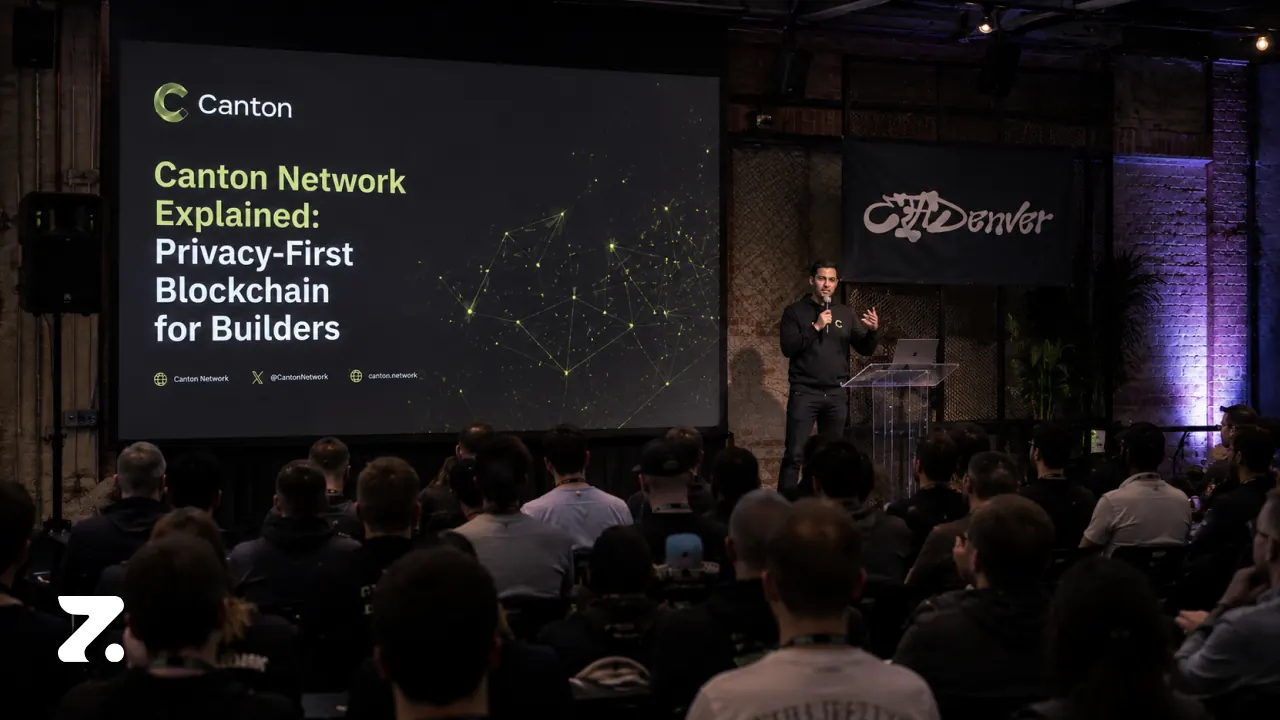
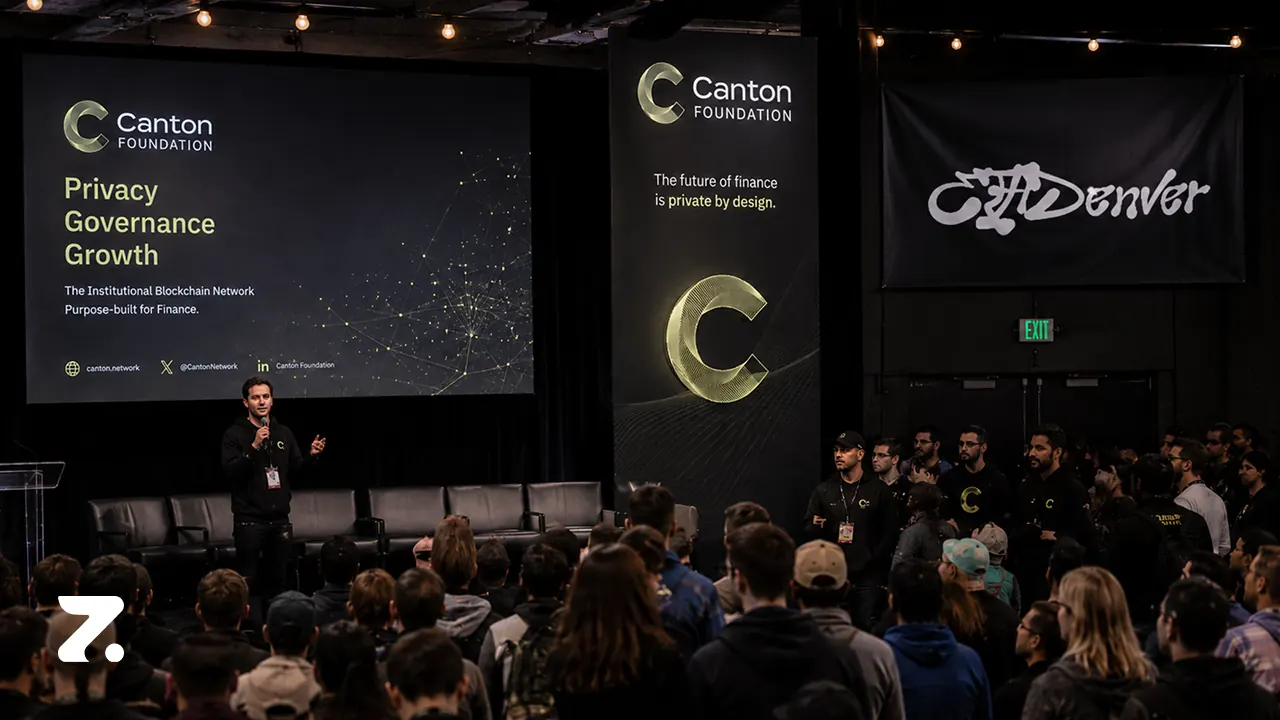
Eco’s presence at ETH Denver reflects how important events remain for infrastructure companies. Conferences are where teams meet current customers, prospective partners, and builders who are actively looking for solutions. For a company focused on stablecoin infrastructure, that kind of direct feedback loop is valuable.
ETH Denver also fits Eco’s go-to-market strategy because the audience includes protocol teams, issuers, and fintech builders who care about settlement, liquidity, and UX. In other words, it is a practical place to test whether the market is ready for programmable stablecoin infrastructure.
The Bigger Trend
Eco’s strategy lines up with a larger shift in the market. Stablecoins are increasingly being used as payment rails, treasury tools, and settlement layers for on-chain applications. At the same time, the industry is moving away from generic “bridge everything” thinking and toward specialized infrastructure for specific asset classes.
That is why programmable controls, compliance-aware workflows, and faster cross-chain coordination are becoming more important. The companies that win may be the ones that make stablecoins easier to use without hiding the complexity that makes them powerful.
Eco’s bet is clear: the future of stablecoin adoption depends on infrastructure that is faster, smarter, and easier to integrate. If that thesis holds, programmable stablecoins could become a core building block for the next generation of financial apps.
FAQ
What is Eco building?
Eco is building stablecoin infrastructure that helps applications integrate and route stablecoins more efficiently across chains and workflows.
Why does Eco focus on stablecoins instead of all assets?
Stablecoins are a narrower and more practical category, which lets Eco innovate faster and target real financial use cases with clearer product-market fit.
What does programmable stablecoin infrastructure mean?
It means stablecoins can support automation and on-chain logic, such as policy checks, compliance rules, and workflow-based settlement behavior.
Why is ETH Denver important for Eco?
ETH Denver gives Eco a chance to meet builders, issuers, and customers directly, gather feedback, and validate demand for its product direction.
About
Featured Posts




Explore Topics