D3 on Bringing Domains On-Chain and Adding Liquidity
D3 is building a new liquidity layer for domains, aiming to make them tradable, programmable, and easier to monetize for Web3 users and domain owners.
Genzio
D3 on Bringing Domains On-Chain and Adding Liquidity
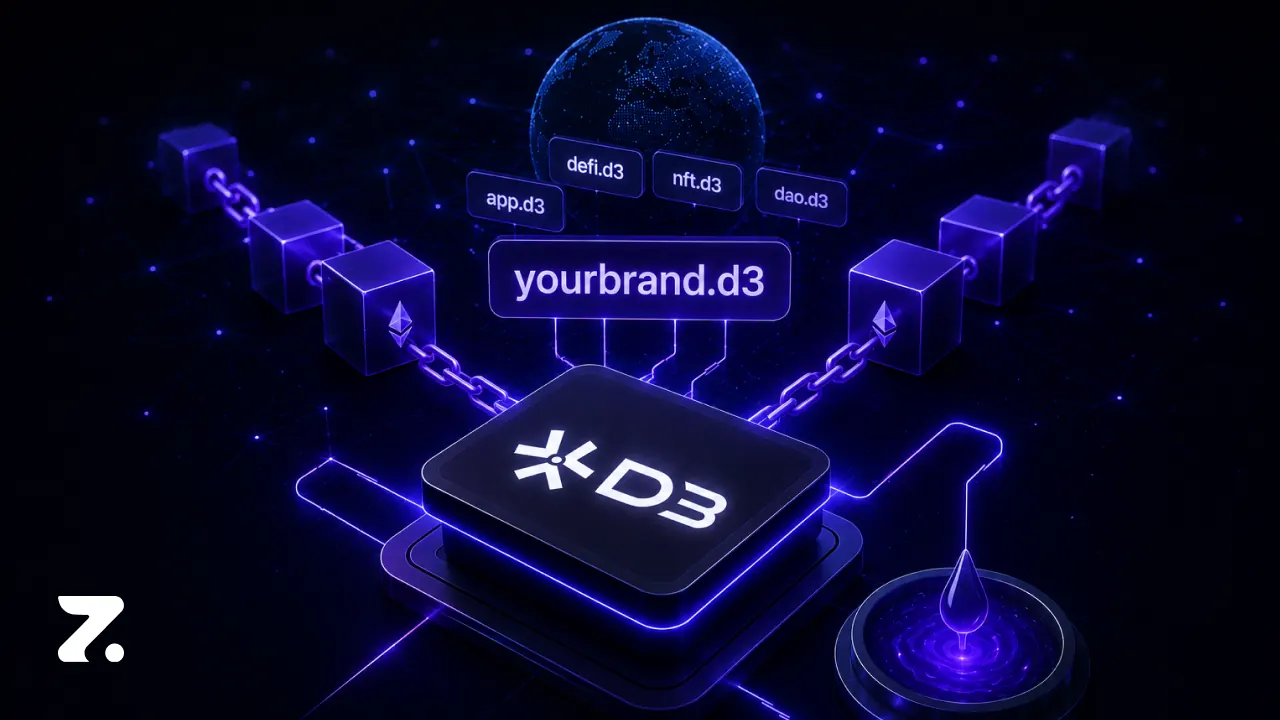
D3 is building infrastructure to bring traditional DNS domains on-chain, with a clear goal: make domains more liquid, tradable, and useful as digital assets. In a market where valuable names often sit idle, the company is positioning itself as a new liquidity layer for domain ownership.
For context on the broader naming ecosystem, see Genzio Media’s AI News coverage and Genzio Media’s Finance section. D3’s approach sits at the intersection of Web3 infrastructure, digital property, and asset markets, which makes it especially relevant for investors and builders watching the tokenization trend.
What D3 Is Building
D3 is focused on bringing domains on-chain so they can be treated more like programmable assets. The company is not trying to replace registrars. Instead, it aims to add a new layer of liquidity and accessibility on top of the existing domain system.
That matters because the traditional domain market is fragmented across registrars, brokers, aftermarket platforms, and APIs. For many owners, a domain can be valuable on paper but difficult to sell or monetize efficiently. Learn more about the broader ecosystem at Genzio Media categories.
Why the Domain Market Needs Liquidity
One of D3’s core arguments is simple: many domain portfolios are illiquid. Owners may hold hundreds of names, but if those domains do not generate revenue, renewal fees become a burden. That creates pressure to find better exit paths and new ways to extract value.
This is where the market opportunity becomes clear. Traditional domain ownership has long been a passive game, but the economics are changing. For a real-world comparison of the scale of the domain industry, see Verisign investor data.
High-value domains can sit unused for years.
Renewal costs continue even when revenue does not.
Liquidity is limited compared with other digital assets.
Fragmented marketplaces make discovery and pricing harder.
How D3 Brings Domains Into Web3
D3’s model reflects a broader shift in digital asset markets: tokenization and on-chain representation are expanding beyond finance into digital property. By bringing domains on-chain, D3 is making them more accessible to crypto-native users who already understand wallets, trading, and programmable ownership.
That also opens the door to new forms of exposure. Instead of buying a domain outright and waiting for a buyer, users may eventually be able to participate in more flexible ownership or trading structures. For a useful comparison, explore ENS, one of the best-known on-chain naming systems.
Fractional Exposure and New Investment Models
Another major theme in D3’s vision is fractional exposure. The idea is straightforward: if a premium domain is worth a large amount, smaller investors may still want access to that asset class without needing to buy the whole name.
This is attractive to Web3 users looking for alternative assets and portfolio diversification. It also reflects a broader trend in crypto, where basket-style exposure and fractional ownership are becoming more common. For another example of Web3 naming infrastructure, see Unstoppable Domains.
D3’s Focus on TLDs for Blockchain Ecosystems
Beyond domains themselves, D3 is also focused on top-level domains, or TLDs. The company helps blockchain ecosystems and foundations pursue branded namespace ownership through the ICANN new gTLD process, which remains rare and strategically important.
Custom TLDs can support identity, onboarding, and trust for communities. They also give ecosystems a more recognizable digital presence. If you want to understand the process behind this opportunity, visit ICANN.
Web3 Partnerships and Ecosystem Outreach
D3’s partnerships team works with foundations and ecosystem leaders to explore TLD opportunities. In the interview, the speaker mentioned outreach to groups like Solana and Avalanche, showing how the company is thinking about branded naming layers as infrastructure for blockchain communities.
This is not just about branding. It is about creating a more coherent identity layer for users, builders, and communities. That is why naming has become such an important part of Web3 infrastructure.
Upcoming Financial Products for Domains
D3 also hinted at new financial products for domains. While details were limited, the direction is clear: domains may evolve from static assets into more active financial instruments with better monetization and trading options.
That could include tools for exposure, liquidity, or structured participation in domain value. For domain owners, this may create new ways to unlock capital without simply waiting for a buyer.
The Long-Term Vision for Domain Buying
At the highest level, D3 wants to make domain buying more seamless. The current system is fragmented, and that fragmentation creates friction for both buyers and sellers. A more unified experience could improve liquidity, increase volume, and make the market easier to navigate.
For readers interested in how digital assets are evolving across categories, visit Genzio Media’s Culture section for stories about ownership, identity, and digital rights.
Advice for Domain Owners
The interview also offered a practical message for domain holders: do not let valuable names sit idle forever. If a domain has potential, consider building on it, monetizing it, or finding a creative way to extract value.
That advice fits the current market environment. In a bear market, serious builders tend to stay active, and passive holding becomes less attractive when renewal costs keep adding up.
Audit your portfolio regularly.
Identify names with real commercial potential.
Look for ways to monetize before renewal pressure builds.
Think beyond passive speculation.
What D3 Means for the Future of Domains
D3 is helping define a new category: domains as on-chain assets. By combining DNS, Web3 infrastructure, and financial product design, the company is creating a path toward more liquid and programmable domain ownership.
For Web3 users, domain investors, and blockchain ecosystems, that could be a meaningful shift. The next phase of the domain market may be less about parking names and more about activating them.
FAQ
What problem is D3 trying to solve?
D3 is addressing the lack of liquidity in traditional domain markets, where valuable names can be hard to sell and expensive to hold over time.
How does putting domains on-chain help?
On-chain representation can make domains easier to trade, structure, and potentially integrate into new financial products or ownership models.
Why are TLDs important in D3’s strategy?
Custom TLDs give blockchain ecosystems a branded identity layer, which can improve trust, onboarding, and community recognition.
What should domain owners do now?
Owners should review their portfolios, look for monetization opportunities, and avoid holding unused domains without a clear strategy.
About
Featured Posts


Explore Topics