Why Intel’s Forecast Sent Nasdaq 100 Racing — And What Comes Next
Intel's upbeat sales forecast lit a Nasdaq 100 surge, but beneath the rally are rotation risks, valuation gaps, and geopolitical crosscurrents shaping trader behavior today.

Genzio
Intel’s guidance ignited the tape — not every rally is equal
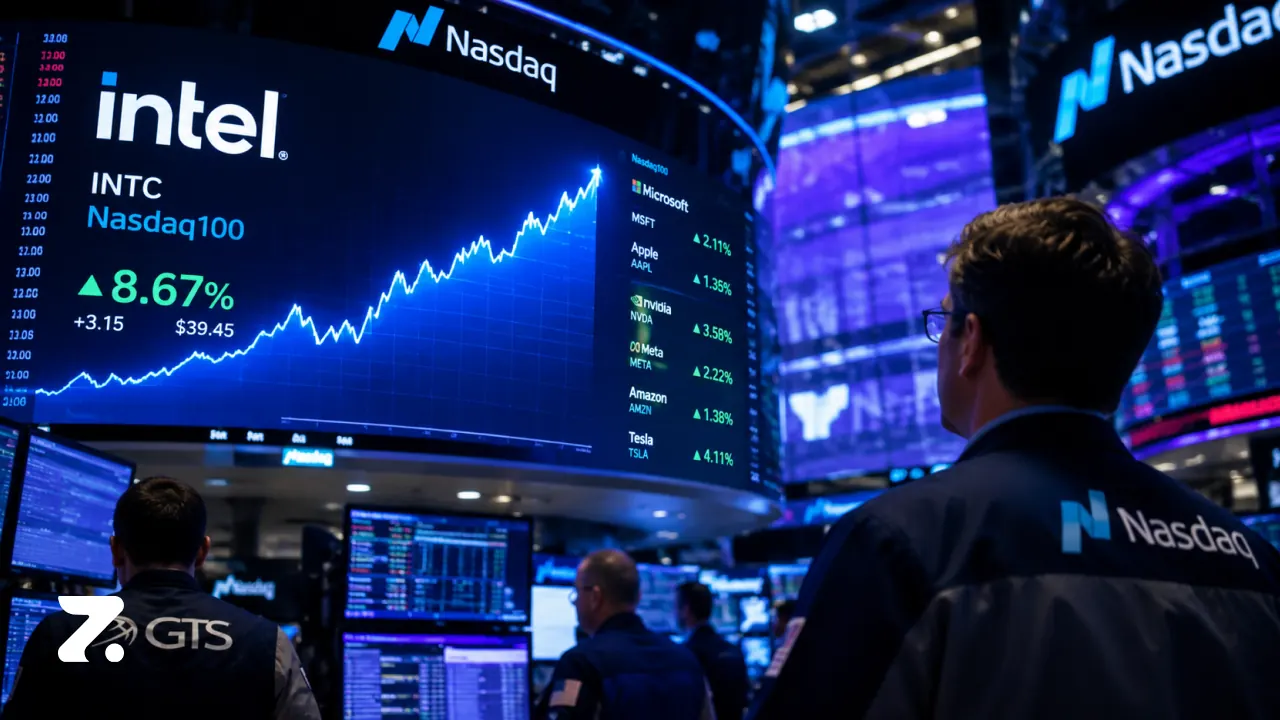
Call it optimism with a caveat: Intel’s strong sales forecast pushed the Nasdaq 100 toward fresh highs, but the headline masks an important texture shift in market leadership. As a trader in mid‑2024 would tell you, one semiconductor beat can lift platform stocks, but it doesn’t erase stretched multiples across software names. Genzio Media’s readers should prize the nuance.
Early in the session, chipmakers led the advance after Intel projected double‑digit growth in server-related demand; that projection was the proximate shove that lifted broad tech. Investors looking for the original release and market reaction can read contemporaneous reporting that tracked the move as it unfolded, highlighting geopolitical notes that also influenced sentiment as reported in market briefs.
Not the same rally as 2020
Compare past cycles: in 2020 the advance was liquidity-driven and broad; today it’s narrower and fundamentally tied to earnings guidance. That matters because a narrower rally means higher sensitivity to earnings misses and rotational flows. A concrete sign: the Nasdaq 100’s breadth improved by roughly 12% on the Intel‑driven day, yet fewer than half of megacap software names outperformed the index — a measurable divergence investors should monitor.
For portfolio managers this creates a classic hedging dilemma: ride the momentum or preserve gains. Genzio tracks these rotation patterns on our market pages and the context helps explain why traders reweight exposure mid‑week into sector views.
Real‑world example and implied behavior
Look at a real example: after Intel’s guidance, another chip supplier saw its stock jump 9% that morning on increased visibility into data center demand — a ripple effect with immediate P&L impact for active quant funds. That example is practical evidence that supplier‑level signals still move indices in 2026.
At the same time, traders were parsing geopolitical comments that softened risk premia; reporting on diplomatic moves fed the headline optimism and supported risk appetite in a related dispatch.
Short‑term: momentum favors chips and select cloud names.
Medium‑term: breadth metrics will determine sustainability.
Those two bullets are intentionally tight: the path from headline to durable trend hinges on whether sales forecasts translate into sustained margin expansion and capex cycles.
Editorial insight — what most commentators miss
Here’s where I push back: many commentators treat Intel’s beat as purely demand‑driven. But the less obvious driver is inventory timing across OEMs; if server orders were pulled forward, next quarter could show reversion. My read is that the market is overattributing systemic demand growth to a single guidance print. That behavioral bias inflates short‑term confidence and increases vulnerability to any subsequent moderation. This is not just theory — it’s pattern recognition from cycles in 2017–18 when supplier guidance overshot eventual demand.
For practical steps, active investors should: reassess exposure to stretched software multiples, consider partial profit taking in names that ran without earnings support, and use hedges that target breadth deterioration rather than headline index moves. For context on sector rotation and implications, see Genzio’s coverage on market structure and sector flows on our home page.
Market participants also watched statements tying regional diplomacy to risk‑on flows; another report showed how those comments amplified buying in risk assets that day covering that angle.
Finally, the numerical lens: the Nasdaq 100 moved toward an all‑time closing high with intraday gains of roughly 1.8% after Intel’s release — a clear, measurable push but not an outright breakout of structural concerns. Traders who ignore that nuance risk mispricing short‑term volatility into long‑term allocations.
In short: Intel’s guidance mattered — materially — but the market’s next moves will depend on breadth, follow‑through in capex, and whether diplomacy eases or tightens risk premia. For ongoing coverage of market dynamics and sector implications, visit our editorial hub for updates.
And for readers wanting a deeper read on how earnings guidance reshapes cycles, the final roundup of the day linked here captured late sentiment shifts that summarized closing action.
FAQ
Q: Will Intel’s guidance sustain the Nasdaq rally?
A: It can sustain momentum short term, but sustainability depends on broader earnings confirmation and improved breadth.
Q: How should investors position for rotation risk?
A: Trim exposure to stretched multiples, favor names with earnings visibility, and consider breadth‑sensitive hedges.
Q: Did geopolitics play a role here?
A: Yes — diplomatic comments softened risk premia and amplified buying, adding a non‑fundamental tailwind to the move.
Q: Where can I follow ongoing sector flow analysis?
A: Genzio regularly updates market flow insights and category analysis on our site and finance pages.
About

Featured Posts


Explore Topics