Resilient Networks: Peer-to-Peer Connectivity for Events
Resilient Networks is building peer-to-peer event connectivity to keep crowds linked when cellular service fails, with privacy-preserving messaging for festivals, conferences, and clubs.

Genzio
Resilient Networks: Peer-to-Peer Connectivity for Events
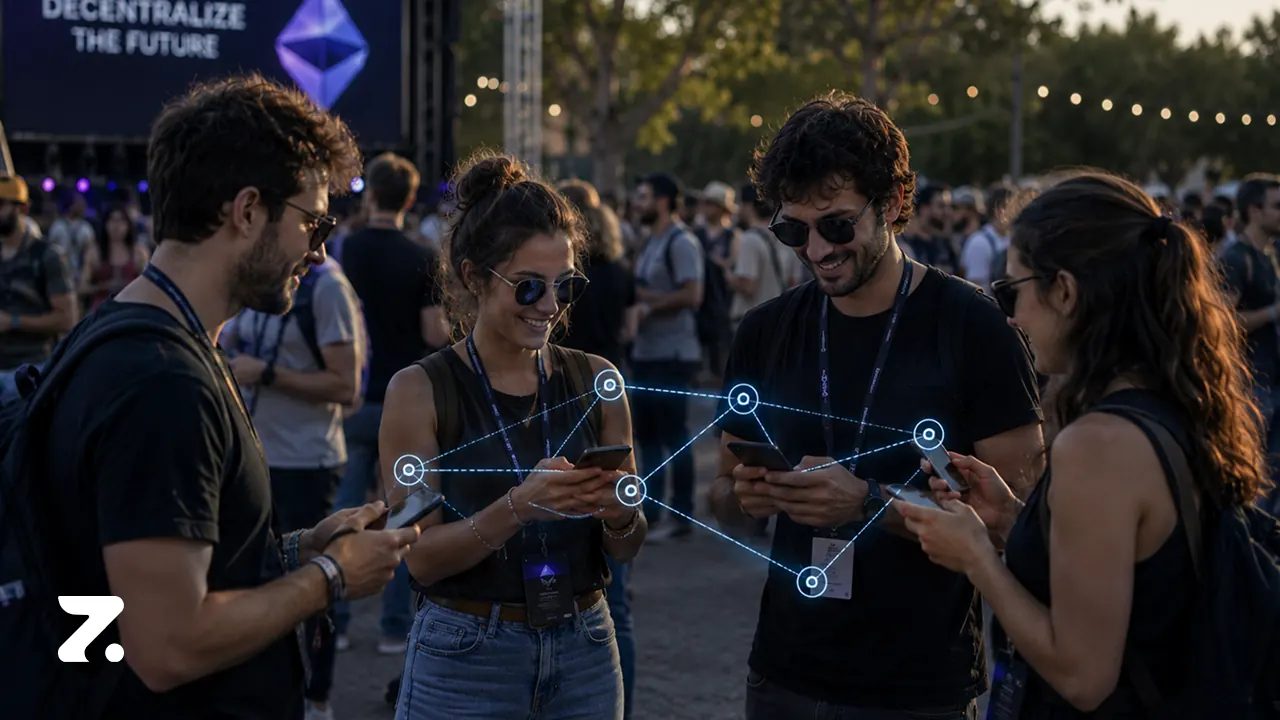
At crowded festivals, conferences, and clubs, the biggest problem is often not the crowd itself, but the network. When thousands of people try to send messages at once, cellular service can slow down or fail completely. Resilient Networks is building a different approach: peer-to-peer connectivity designed to keep people linked when centralized networks get overwhelmed.
The company’s vision fits naturally with the future of live experiences, especially for organizers who want reliable communication without depending entirely on carrier coverage. For readers following event tech trends, this is the kind of infrastructure story that matters. You can also explore more coverage in Genzio Media events coverage and related AI News stories that track emerging tools and systems.
What Resilient Networks Is Building
Resilient Networks is focused on a peer-to-peer layer that lets phones communicate directly in dense environments. Instead of relying only on centralized infrastructure, the system is designed to support messaging and nearby discovery between devices. That makes it useful for situations where the crowd crushes the signal.
The product is aimed at practical event use cases: group coordination, friend-finding, and walkie-talkie-style communication. It is also being positioned for white-label deployment, which means organizers can distribute a branded app while keeping the connectivity layer underneath. For more context on the company’s broader positioning, see Genzio Media and the Finance section for business-model coverage around emerging tech.
Why Cellular Networks Break Down in Crowds
Cellular networks are built for broad coverage, but dense gatherings create a different kind of stress test. A festival field, a packed conference hall, or a sold-out club can overload local capacity even when the city around it has strong service. The result is familiar: messages fail to send, calls drop, and people lose track of each other.
This is why resilient event connectivity is becoming a bigger topic across the industry. Supplemental systems such as private wireless, temporary venue networks, and off-grid communication tools are gaining attention because organizers need dependable coordination. Industry groups like GSMA have long highlighted how congestion can affect mobile performance in mass gatherings.
How Peer-to-Peer Event Connectivity Works
Peer-to-peer connectivity shifts part of the communication burden away from centralized towers and back toward the devices themselves. In Resilient Networks’ model, phones can connect with nearby phones to pass messages and support local interaction. That makes the system especially useful in places where people are physically close but digitally disconnected.
The approach is also privacy-preserving, which matters when attendees want simple coordination without exposing everything to a centralized platform. Similar offline-first and mesh-style ideas have already shown value in the broader ecosystem, including Briar and Meshtastic.
Why Web3 Events Are a Natural Fit
Web3 conferences are a strong early market for this kind of product because attendees are already comfortable with experimental infrastructure. Builders, founders, and operators at these events tend to value new communication models, especially when they solve a real operational problem.
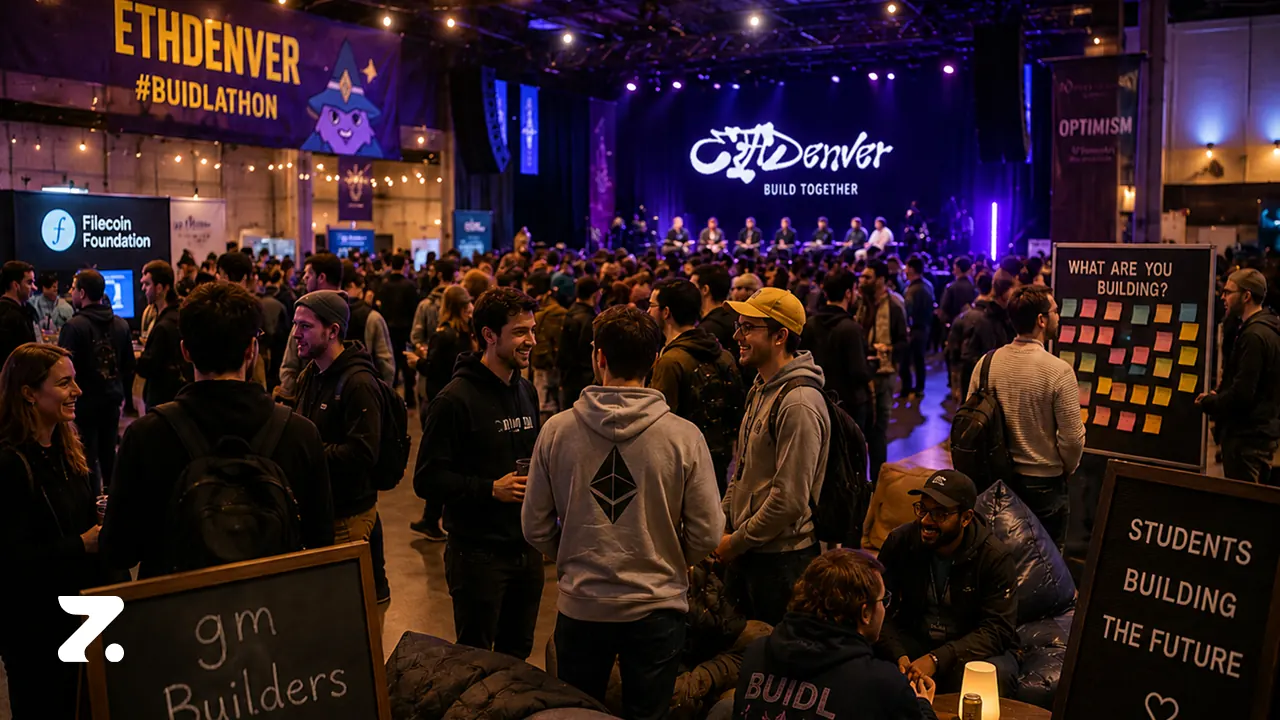
That is why event-specific deployments at conferences like East Denver and future gatherings such as Consensus Miami make strategic sense. The use case is simple: keep attendees connected, even when the venue network is under pressure. For more event-focused stories, visit Entertainment or browse the full category hub.
White-Label Tools for Organizers
One of the most interesting parts of the model is the white-label angle. Instead of asking every attendee to adopt a generic app, Resilient Networks can work with organizers to ship a branded experience with the connectivity layer embedded underneath. That gives event teams more control over the attendee experience and opens the door to custom use cases.
This matters because event infrastructure is not just about convenience. It can support safety, coordination, and better crowd flow. A branded communication layer can also help organizers create a more seamless experience from entry to exit.
From Burning Man to Clubs and Sporting Events
The company’s roadmap shows how broad the opportunity is. The team has discussed replacing walkie-talkie systems at Burning Man, supporting festival deployments, and testing in clubs where hundreds of people compete for signal in a single room. They are also working toward a pilot for a major global sporting event.
That range is important because it proves the system is being designed for both extreme density and more controlled venue environments. If it works in both settings, it has a strong case for broader adoption across live events.
The Team Behind the Product
Resilient Networks is led by founders with complementary backgrounds. One brings deep-tech experience across Siri, smart home systems, and agent technology. The other brings applied research, recruiting, and protocol-level thinking, along with a strong interest in solving real-world networking problems.
That combination matters because event connectivity is both a technical challenge and a product challenge. The system has to work reliably, but it also has to feel familiar enough that people will actually use it.
Why This Matters for the Future of Events
As live events become more connected, the demand for resilient communication will only grow. Organizers want tools that work in dense crowds, attendees want to stay in touch without friction, and venues want systems that reduce chaos when networks get overloaded.
Resilient Networks sits at the intersection of those needs. It is part of a broader shift toward decentralized, privacy-preserving, and event-specific infrastructure. For a closer look at the company’s ecosystem, goTenna offers another example of off-grid communication technology that has helped define the category.
FAQ
What problem does Resilient Networks solve?
It helps people stay connected in crowded places where cellular networks become unreliable, such as festivals, conferences, and clubs.
Is this only for Web3 events?
No. Web3 conferences are a natural early market, but the technology is also relevant for festivals, sporting events, and venue operations.
How is this different from a normal messaging app?
It is designed to work through peer-to-peer connectivity in dense environments, rather than depending entirely on centralized mobile infrastructure.
Why would organizers want a white-label version?
A white-label deployment lets organizers offer branded communication tools while keeping the underlying connectivity layer integrated into the event experience.
About

Featured Posts
Explore Topics