How Space and Time Powers Verifiable Data for DeFi
At ETHDenver 2026, Space and Time CMO Kat Daly explained how verifiable data, proof of SQL, and open-source tooling are shaping DeFi, tokenization, and rewards.

Genzio
How Space and Time Powers Verifiable Data for DeFi
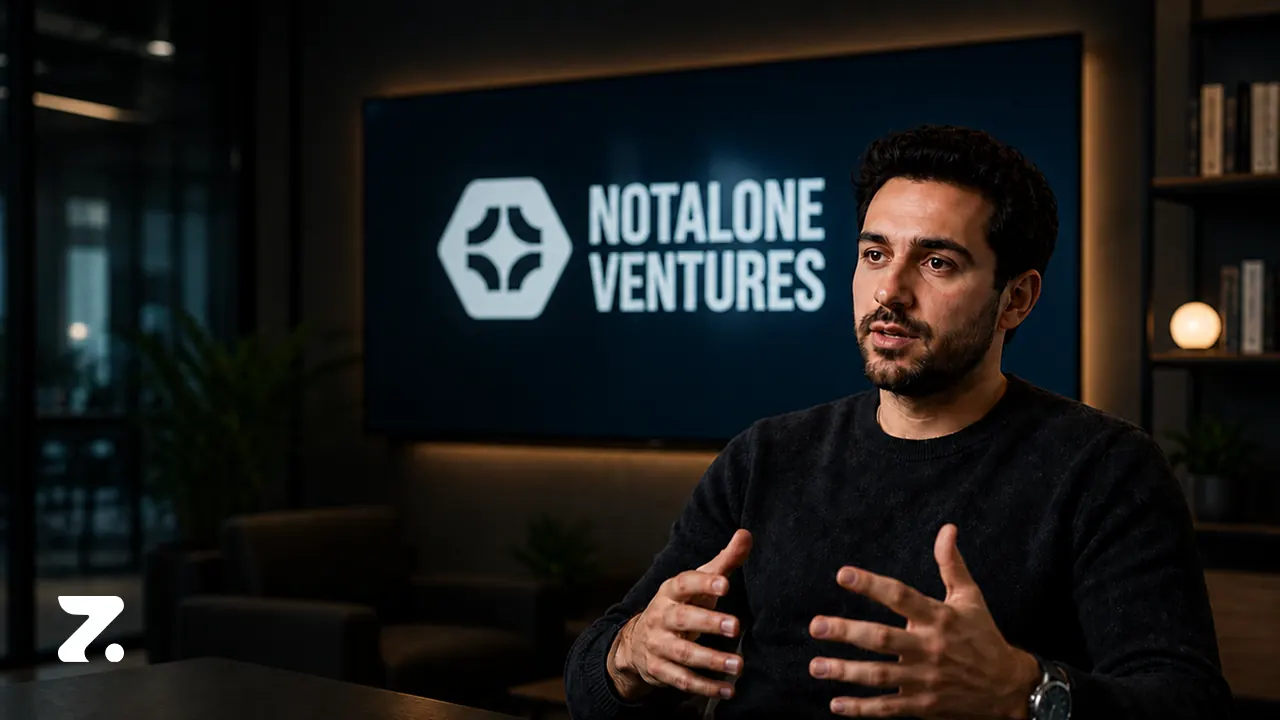
At ETHDenver 2026, the conversation around infrastructure felt sharper and more practical. Kat Daly, CMO of Space and Time, said the event felt smaller, quieter, and more builder-focused than in past years. That shift matches where Web3 is heading: less noise, more shipping, and more demand for tools that solve real problems. For a deeper look at the company, visit Space and Time’s official website.
ETHDenver 2026 and the builder-first mood
Daly described this year’s ETHDenver as a return to the “OG builders,” with more high-quality projects and fewer distractions. That matters because infrastructure teams now need to prove value quickly. Coverage of the broader ecosystem has reflected the same trend, with more attention on practical adoption than hype cycles. For additional market context, see CoinDesk.
That environment is a strong fit for Space and Time, which focuses on verifiable data for smart contracts and financial applications. Instead of trying to be everything to everyone, the protocol is built for teams that need trustworthy data pipelines across onchain and offchain systems.
What Space and Time actually does
Space and Time is a decentralized data network designed to secure onchain finance. Its core idea is simple: smart contracts should be able to query data and verify that the result is real. The protocol’s “proof of SQL” approach gives developers a way to produce cryptographic proofs around database queries, which is especially useful when value depends on the accuracy of the data.
For technical documentation and architecture details, the best place to start is the Space and Time docs. The protocol combines blockchain indexing with user-inserted datasets, so teams can work with both onchain activity and offchain information in one verifiable layer.
Why verifiable data matters for DeFi and tokenization
Financial use cases are where data accuracy matters most. In DeFi, lending, risk scoring, and liquidation logic all depend on reliable inputs. In tokenization, institutions need data that can support more complex assets than simple price feeds. Daly pointed out that early pilots often focused on straightforward assets like equities, but the next wave is moving toward collateralized loans, aggregated data, and more advanced computation.
That is where Space and Time fits. It acts as a verification layer between existing data systems and the blockchain, reducing the risk that centralized relays or fragile integrations introduce errors. For readers following institutional tokenization trends, BlackRock is a useful reference point for how major financial players are approaching onchain products.
Use cases that go beyond simple feeds
Space and Time is not limited to one niche. Daly highlighted several areas where the network is gaining traction:
Institutional tokenization
More sophisticated DeFi protocols
Stablecoin and usage-based reward systems
Gaming and NFT-related data workflows
Hybrid onchain/offchain applications
These use cases share one requirement: they need data that can be trusted, audited, and combined across sources. That is why the protocol is especially relevant for builders designing products where compliance, incentives, and user behavior all matter at once.
How the network works
Space and Time operates like a blockchain for data inserts, queries, and withdrawals. It uses a validator network and a fee-based model, similar in spirit to gas economics. Validators can be solo operators or institutions, and onboarding is permissionless and self-service.
That design matters because it lowers friction for builders while keeping the network decentralized. Teams can start with indexed blockchain data, then add their own datasets and join them together in a single query. The result is a unified view of what is happening onchain and offchain without stitching together multiple fragile systems.
Open source, builder adoption, and grants
Space and Time is open source, with its protocol code available publicly for developers. Daly said the company’s focus has shifted from research and development toward adoption, education, and developer experience. That means clearer messaging, better onboarding, and more support for teams that want to build quickly.
The company is also preparing usage grants to help first-time builders get started. That approach is common in Web3, but it is especially relevant for infrastructure products where early experimentation can lead to long-term network usage. For more on the ecosystem and related coverage, explore Genzio Media’s AI News and Genzio Media’s Finance coverage.
Space and Time and Chainlink are complementary
Daly was clear that Space and Time is not trying to replace Chainlink. The two projects solve different problems. Chainlink is strong for fast, simple data delivery, while Space and Time is built for more complex verifiable database computation. In many cases, teams may use both.
That complementary relationship is important for builders thinking about stack design. If you want to understand Chainlink’s role in the broader oracle landscape, visit Chainlink. The takeaway is that Web3 data infrastructure is becoming layered, not winner-take-all.
Why this matters now
Space and Time’s story reflects a broader shift in Web3. The market is rewarding products that solve concrete problems, especially in finance and infrastructure. As tokenization, stablecoins, and hybrid applications grow, the need for verifiable data will only increase.
For Genzio readers, the key insight is that the next phase of Web3 may be less about speculation and more about infrastructure that can support real-world use. Space and Time is positioning itself directly in that lane, with open-source tooling, permissionless participation, and a clear focus on builder adoption. For more related stories, browse Genzio Media’s Events coverage and Genzio Media’s Culture coverage.
FAQ
What is Space and Time in simple terms?
It is a decentralized data network that helps smart contracts query and verify data, including both blockchain data and offchain datasets.
Why is proof of SQL important?
It lets developers prove that a database query was executed correctly, which adds trust to applications that depend on accurate data.
How is Space and Time different from Chainlink?
Chainlink is often used for simpler oracle-style data delivery, while Space and Time focuses on more complex verifiable database computation.
Who should care about Space and Time?
DeFi teams, tokenization projects, stablecoin issuers, and any builder that needs trustworthy onchain/offchain data should pay attention.
About

Featured Posts


Explore Topics