Nick Hansen on The Graph’s Roadmap to Data Services
At Ethereum Denver, Nick Hansen explained how The Graph indexes blockchain data, supports node operators, and is evolving into a broader decentralized data services platform.
Genzio
Nick Hansen on The Graph’s Roadmap to Data Services
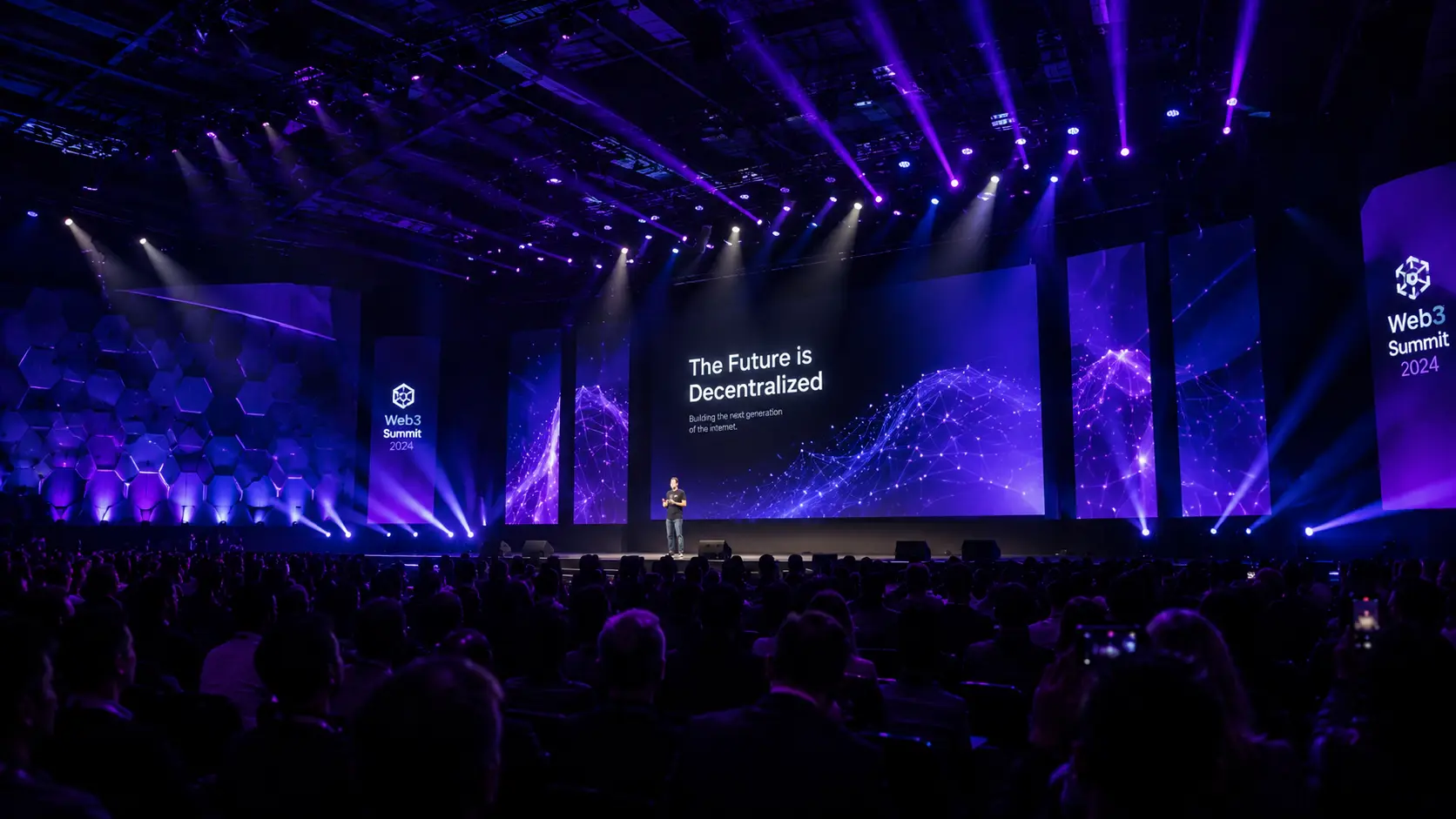
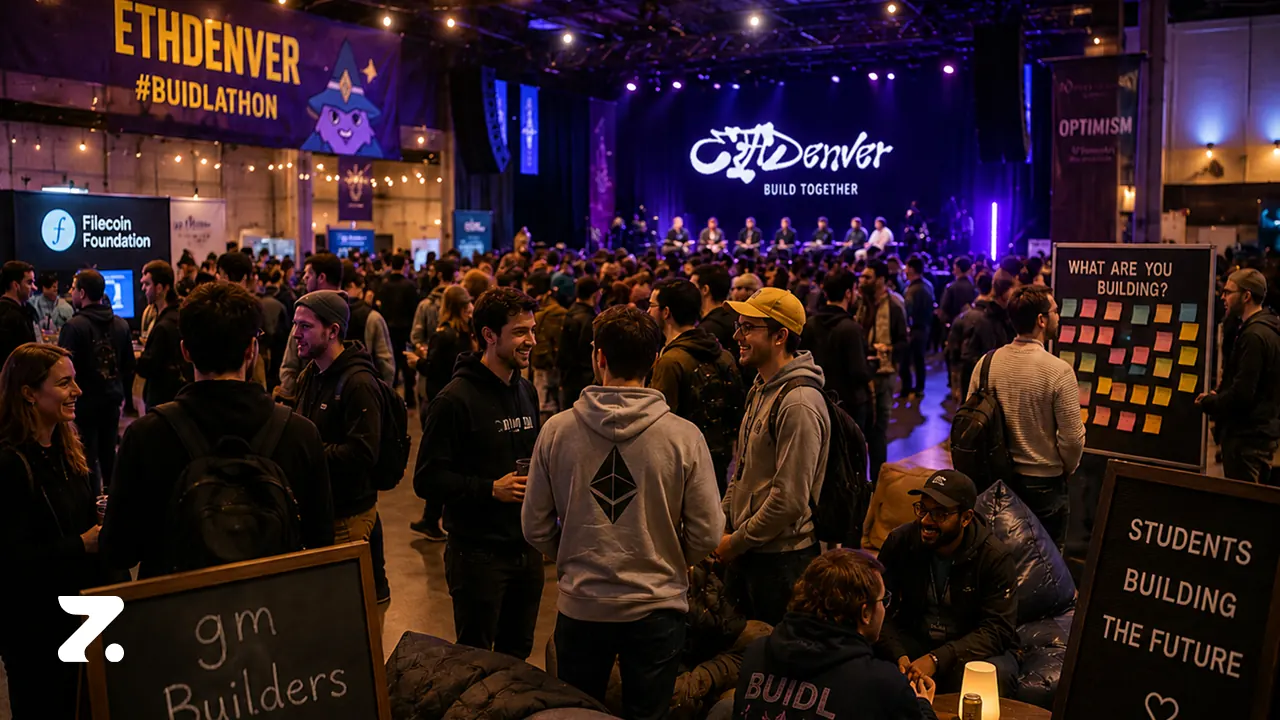
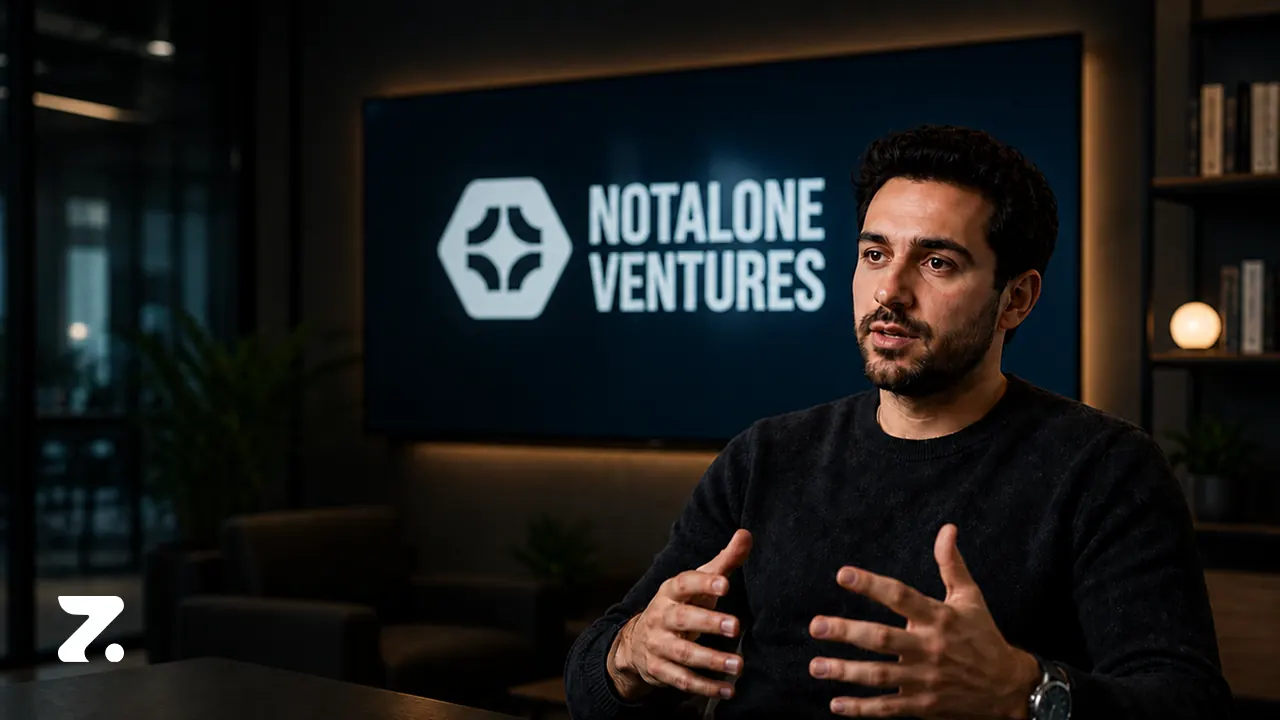
At Ethereum Denver, Nick Hansen, team lead at The Graph Foundation, described a market that feels more mature, more selective, and more focused on real infrastructure. The conversations were not just about hype. They were about usable blockchain data, sustainable business models, and the next phase of decentralized systems. For readers following the event, Genzio Media breaks down the key takeaways.
The Graph is best known as a decentralized protocol for indexing and querying blockchain data. If you want a deeper look at the project itself, the official The Graph website is a useful starting point. In simple terms, it helps developers turn raw on-chain activity into structured data that apps, dashboards, and explorers can actually use.
Ethereum Denver Reflected a More Mature Industry
One of the clearest themes from the interview was maturity. Hansen said the quality of conversations at Ethereum Denver felt higher, even if attendance was lower than in past years. That shift matters. It suggests the industry is moving away from broad speculation and toward practical questions about revenue, sustainability, and infrastructure.
AI was also part of the conversation at the event, but the core discussion remained blockchain data and how to make it more accessible. That is a sign of where the market is heading: less noise, more utility. For broader event coverage, see Genzio Media’s events coverage.
What The Graph Actually Does
The Graph is often described as the “Google of blockchain,” but that shorthand only goes so far. Its real job is to make blockchain data readable and queryable. Blockchains are designed to be written to, but applications need a way to read that data efficiently. The Graph fills that gap.
According to the project’s technical documentation, subgraphs are the core mechanism that lets developers define how data should be indexed and queried. You can explore that architecture in The Graph docs. This is what makes the protocol useful for everything from portfolio trackers to analytics dashboards.
In practice, The Graph powers tools that need reliable access to structured on-chain information. That includes blockchain explorers, DeFi dashboards, and application backends that depend on fast query responses. For more on this kind of infrastructure, visit Genzio Media’s AI News section for adjacent coverage of data-driven systems and emerging tooling.
Why Subgraphs Became an Industry Standard
Hansen emphasized that The Graph was an early mover in blockchain indexing. That early lead helped establish subgraphs as a standard across Web3 development. Instead of building custom indexing pipelines for every app, developers can use a shared framework to organize data more consistently.
This matters because standards reduce friction. When more teams can build on the same data model, the ecosystem becomes easier to scale. That is one reason The Graph remains relevant even as the broader infrastructure stack evolves.
A Decentralized Network, Not a Centralized Database
Another important point from the interview is that The Graph is not a centralized storage provider. Its data is served by a distributed network of node operators around the world. That design supports resilience, openness, and permissionless participation.
Hansen explained that node operators can range from solo participants to larger enterprise-style teams. The network is open, but it is not casual. Operators need hardware, software, and economic commitment to participate effectively. The incentive structure is designed to encourage good behavior and long-term reliability.
For readers interested in the broader ecosystem behind this model, The Graph Foundation outlines how the nonprofit steward supports protocol growth and ecosystem health.
The Graph Foundation’s Role
Hansen made a clear distinction between the foundation and the protocol itself. The Graph Foundation is a nonprofit. Its job is stewardship: managing treasury-related support, funding ecosystem projects, and helping guide the protocol’s long-term health. It is not the commercial profit center of the network.
That distinction is important because it shows how decentralized infrastructure can be governed differently from a traditional company. The foundation helps keep the ecosystem moving, while the protocol’s economics are handled through network participation and usage.
Why Chain Support Is Selective
The Graph can support multiple blockchains, but Hansen noted that onboarding every chain is not realistic. Each new network adds cost, operational complexity, and ecosystem overhead. That means support has to be selective and based on sustainability.
This is where governance and community coordination come in. Decisions about which chains to support are made with the broader ecosystem in mind. The goal is not just expansion for its own sake, but durable growth that benefits users and developers.
For more coverage of protocol-level decision-making and ecosystem strategy, see Genzio Media’s finance coverage.
How Node Operator Economics Work
The interview also touched on how node operators earn rewards. Operators serve queries, and that activity is tied to the protocol’s token-based economics. Delegators can allocate tokens to operators they trust, helping those operators scale their service capacity.
This creates a system of incentives. Operators need skin in the game, delegators support strong performers, and the network benefits from aligned participation. It is a practical example of how decentralized systems try to balance openness with accountability.
That incentive design is one reason The Graph remains a useful case study in crypto economics. It shows how token models can support infrastructure rather than speculation alone.
The Roadmap: From Indexing to Data Services
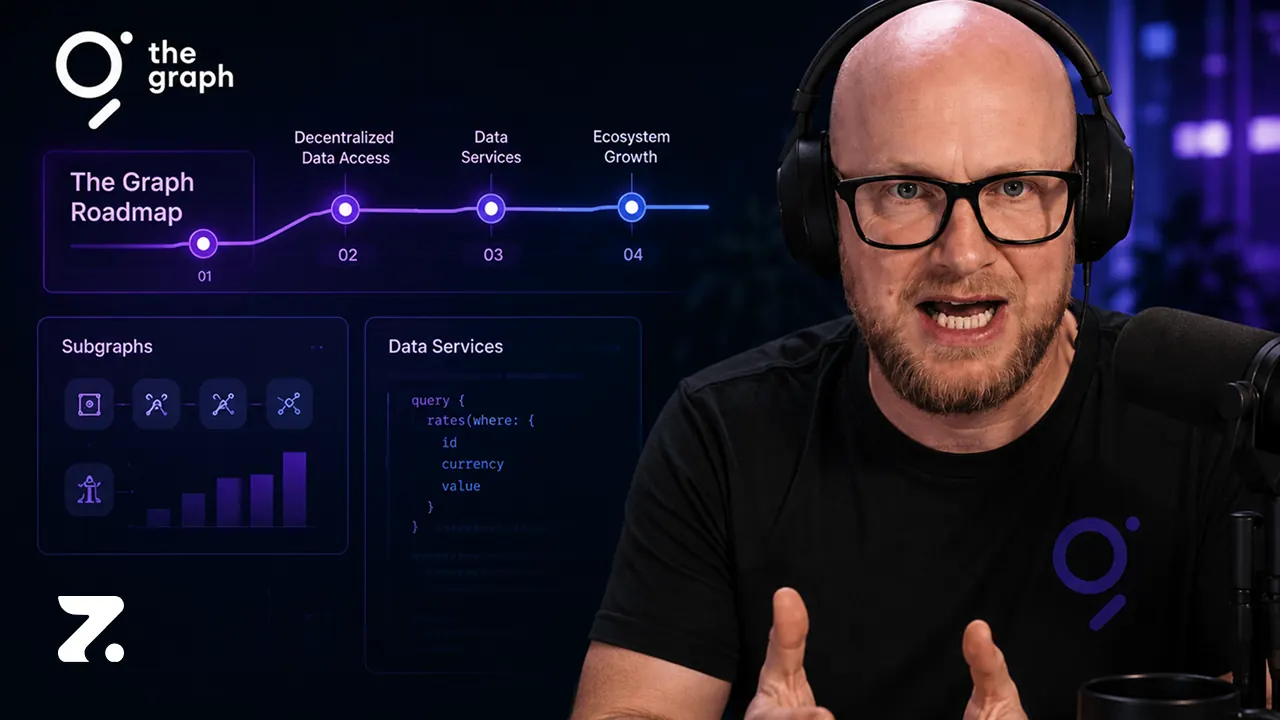
Hansen said The Graph recently released a new technical roadmap that points toward a broader future. The goal is to evolve from an indexing protocol into a data services platform. That means more than just organizing blockchain data. It means supporting the full lifecycle of data-driven applications built on decentralized infrastructure.
In this model, developers could launch data services on The Graph without relying on a centralized backend. The backend would instead be powered by the distributed network of node operators. That is a meaningful shift, because it expands the protocol’s role from a utility layer to a platform layer.
For readers tracking how decentralized systems are changing digital ownership and access, Genzio Media’s culture coverage offers a broader lens on the societal impact of open infrastructure.
Why The Graph Still Matters
The Graph sits at the intersection of blockchain data, decentralized governance, and infrastructure design. Its value is not just technical. It is strategic. As more applications need verifiable, programmable, and multi-chain data, the demand for systems like The Graph will likely keep growing.
That is why the project remains relevant even as the market changes. It is not trying to be a consumer brand. It is trying to be the layer that makes blockchain data usable at scale. For ongoing coverage of the ecosystem, start at Genzio Media.
FAQ
What is The Graph in simple terms?
The Graph is a decentralized protocol that helps apps find, organize, and query blockchain data in a structured way.
Why are subgraphs important?
Subgraphs let developers define how blockchain data should be indexed, which makes it easier to build consistent and reusable data pipelines.
What does The Graph Foundation do?
The Graph Foundation is a nonprofit that supports ecosystem growth, manages treasury-related stewardship, and helps guide protocol health.
How is The Graph different from a centralized data provider?
Instead of relying on one company’s servers, The Graph uses a distributed network of node operators to serve data in a decentralized way.
About
Featured Posts
Explore Topics