Teens for LA at ETHDenver: Mental Health Meets Web3
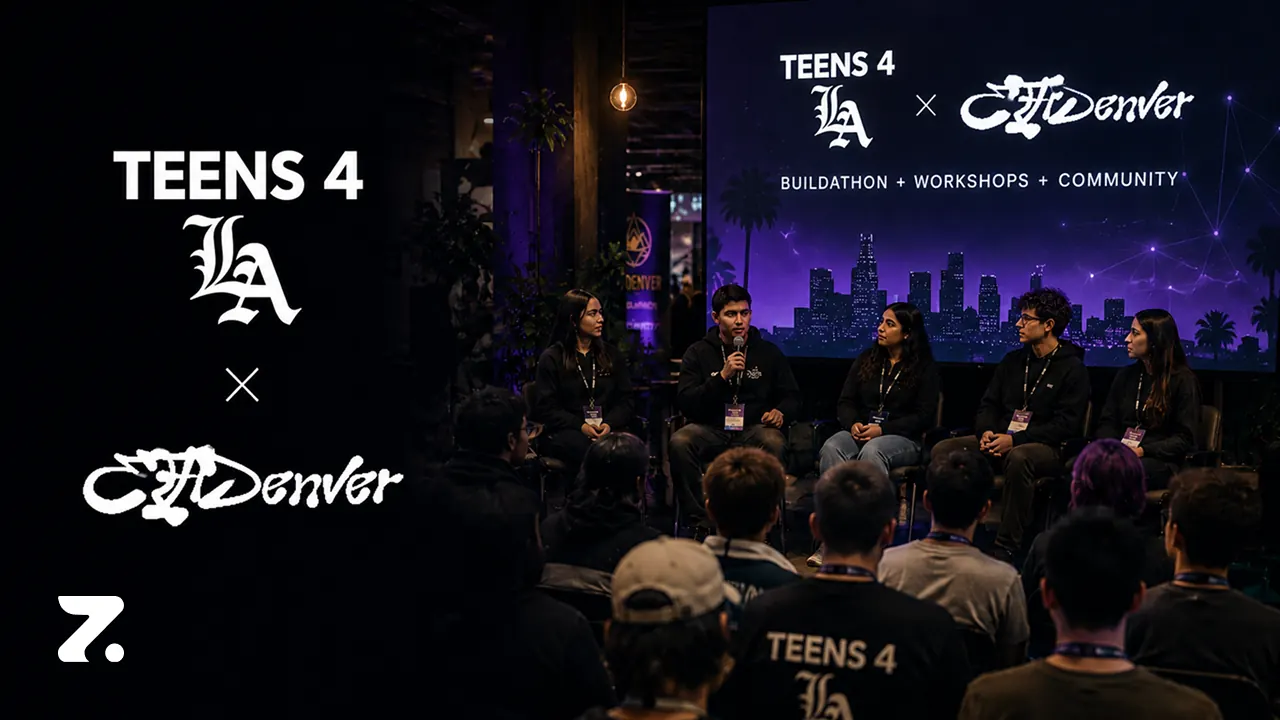
At ETHDenver, two teens from Teens for LA shared how The Mirror Generation connects student mental health, digital identity, and Web3 storytelling.

Genzio
Teens for LA at ETHDenver: Mental Health Meets Web3
At ETHDenver, two first-time attendees from Teens for LA shared a refreshing perspective on crypto, community, and growing up online. Their student-led project, The Mirror Generation, is a multimedia documentary initiative focused on student mental health, digital identity, and the realities of life in the digital age.
For Genzio creators, the story is bigger than a conference appearance. It is about how young people can use media and emerging technology to build safer spaces, preserve lived experiences, and give voice to people who are often overlooked.
For more coverage of youth-led innovation, explore Culture stories on Genzio identity and digital life and event coverage from major conferences.
Their First ETHDenver Experience
For both speakers, ETHDenver was a first. They described the event as exciting, welcoming, and a great place to begin learning about crypto and Web3 from the ground up. Beyond the tech, the conference offered a chance to meet new people, hear different perspectives, and understand how builders bring ideas to life.
That first-time experience mattered because it showed how conferences can be more than networking events. They can also be learning environments for newcomers who are still figuring out where they fit in the Web3 ecosystem.
If you want a broader look at what makes ETHDenver-style gatherings valuable, visit our events coverage and Genzio Media’s homepage for the latest stories.
What Is The Mirror Generation?
The Mirror Generation is a student-led documentary and multimedia project centered on mental health across college campuses. It explores what it means to grow up in a world shaped by screens, social platforms, and constant digital comparison.
The project is designed as more than content. The team wants to create a digital archive of perspectives that captures how technology shapes emotion, identity, and belonging for young people.
Student mental health across campuses
Growing up in the digital age
Online identity and self-image
Archiving youth experiences
For readers interested in youth storytelling and media trends, check out our entertainment coverage and culture features on how digital life shapes identity.
How the Project Started
The project grew out of a connection made through Teens for LA during the LA wildfires. That context shaped the team’s focus on support, community, and emotional safety for teens and young adults.
Their work reflects a simple but powerful idea: when young people are dealing with stress, uncertainty, and isolation, they need spaces where they can speak honestly and be heard without judgment.
For more context on the youth initiative behind the project, visit the official Teens for LA website and mental health hub.
Why The Mirror Generation Matters
The title comes from their view of screens as mirrors. Social media and digital tools can reflect confidence, connection, and creativity, but they can also intensify comparison, burnout, and insecurity.
That framing gives the project its emotional depth. It is not just about documenting youth culture; it is about understanding how online environments shape the way young people see themselves and each other.
In an era when social media is central to teen life, projects like this help explain why digital identity has become such an important conversation.
How They See Crypto and Web3
Although they are still learning, the teens described crypto and Web3 as potentially good tools. What stood out to them most was decentralization, privacy, and the idea that people can have more ownership over their assets and self-expression.
They also appreciated how the conference emphasized security and practical education. That kind of human-centered approach matters, especially for younger audiences who may be curious about crypto but not fluent in the jargon.
For examples of decentralized identity and social ownership, see Lens Protocol’s approach to decentralized social identity and Farcaster’s community-owned social network model.
Advice for the Builders of the Internet
Their message to internet builders was clear: design for people first. That means thinking about the voices that do not always get a platform, making technology easier to understand, and building for younger users in a way that is accessible and inclusive.
Rather than creating systems that reward hierarchy or technical gatekeeping, they want platforms that encourage honesty, belonging, and participation.
This perspective aligns with a broader shift in digital media: users increasingly want tools that feel useful, understandable, and human.
Why ETHDenver Opened the Door to More Opportunities
By the end of the conversation, both teens said they would likely attend more conferences. The experience helped them sharpen networking skills, meet builders from different backgrounds, and see how ideas move from concept to product.
That is the value of events like ETHDenver. They give newcomers a place to learn, connect, and imagine how their own projects can grow.
For more updates on conferences, innovation, and youth-led storytelling, browse our events section and Genzio Media’s latest AI news.
Where to Follow The Mirror Generation
Anyone interested in the project can follow The Mirror Generation on Instagram and explore the Teens for LA website for more mental health resources. The team encouraged viewers to check out the mental health hub and stay connected as the project develops.
For a wider look at the themes in this story, visit our culture category for more coverage of youth expression, digital identity, and online life.
FAQ
What is The Mirror Generation?
The Mirror Generation is a student-led multimedia project focused on mental health, digital identity, and growing up in a screen-centered world.
How is Teens for LA connected to the project?
The teens were connected through Teens for LA during the LA wildfires, which helped shape the project’s emphasis on support, community, and youth voice.
Why did they attend ETHDenver?
They attended ETHDenver to learn more about crypto and Web3, meet new people, and explore how decentralized technology could support creative and social goals.
What do they hope the project will accomplish?
They want to build a digital archive of youth perspectives that encourages honest conversation about mental health, burnout, and life online.
About

Featured Posts



Explore Topics



Related Post
Ana Cofresi opens up about her new VP of GTM role at Ideologi, her Web3 growth strategy, and how plant medicine and community building shape her work.

Learn how Web3 teams use PR and content marketing to build trust, control the narrative, and create long-term visibility across the full funnel.

BitBasel and Unicorn turned ETHDenver into a hands-on Web3 art experience, showing how simple onboarding, live minting, and community activations can bring more people into blockchain.