Rogue AI at ETH Denver 2026: The Future of Crypto Trading
At ETH Denver 2026, Rogue AI explains how its self-learning trading bot aims to simplify crypto trading, reduce emotion, and raise the bar for AI automation.

Genzio
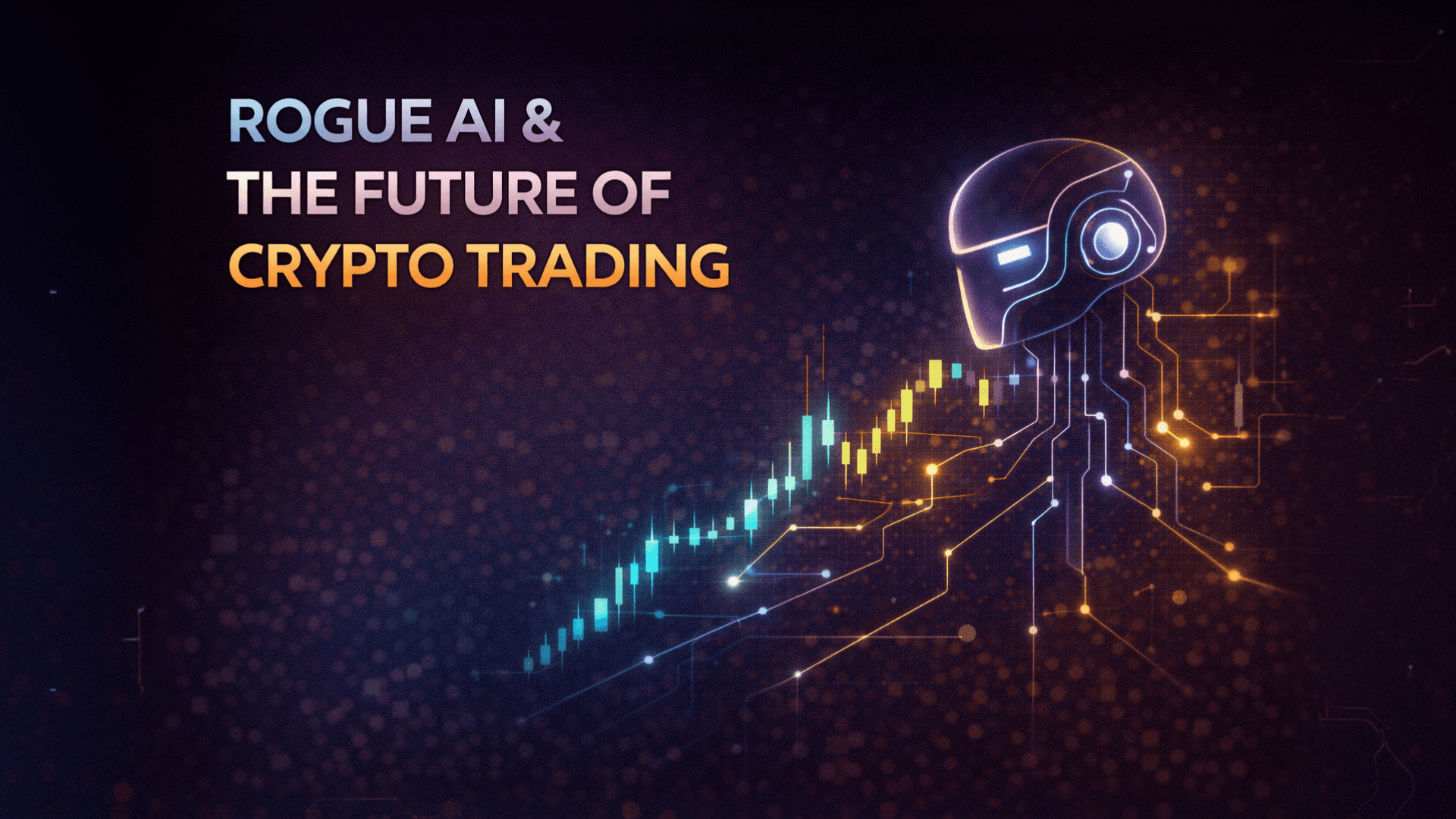
Rogue AI at ETH Denver 2026: The Future of Crypto Trading
At ETH Denver 2026, Rogue AI shared a clear message: AI is not here to replace traders, but to help them trade smarter, faster, and with less emotion. The team discussed how its automated system is being built to serve both beginners and experienced market participants while setting a higher standard for AI trading tools.
For readers following AI in crypto, the conversation reflects a broader industry trend. As automation becomes more common, the key question is no longer whether AI can be used in trading, but how transparent, reliable, and useful those systems truly are. For more coverage of emerging tools and industry shifts, explore the AI News section and the broader Genzio Media categories.
What Rogue AI Is Building
Rogue AI is developing a 24/7 trading bot and decentralized node infrastructure focused on Solana and broader Web3 trading opportunities. The team says the goal is to bridge the gap between novice users and advanced traders by automating execution and reducing the need to stare at charts all day.
The project’s core pitch is simple: give users back time while removing emotional decision-making from trading. That means AI is being positioned as a practical assistant, not a magical replacement for strategy or experience.
Automated crypto trading
Decentralized infrastructure
Multi-strategy execution
Designed for efficiency and speed
Why AI Standards Matter in Trading
One of the strongest themes in the discussion was the lack of standards in AI trading. The team emphasized that many bots are marketed with bold claims that are difficult to verify. In a space where users often rely on performance promises, transparency matters.
This concern lines up with a larger industry conversation about trustworthy AI. Institutions such as McKinsey and NIST have both highlighted the importance of governance, risk management, and responsible deployment as AI systems become more powerful and widely used.
AI as a Tool, Not a Shortcut
The Rogue AI team made another important point: the best results still depend on human knowledge. Their view is that AI works best when it supports a trader’s existing strategy. If a user understands market structure, risk, and execution, AI can help them move faster and stay more disciplined.
That approach mirrors how many builders think about modern automation. AI can assist with analysis, pattern recognition, and trade execution, but it should not be used as a blind replacement for judgment. The team repeatedly stressed that users should continue learning and doing their own research.
Trading in Bull and Bear Markets
The conversation also touched on bear-market trading. According to the team, there are opportunities in every market condition if the right strategy is applied. They pointed to techniques such as arbitrage, shorting, dollar-cost averaging, and indicator-based decision-making as ways traders can adapt when prices move lower.
That flexibility is part of why AI trading is gaining attention. A system that can adjust in real time and respond to changing market conditions may help users stay active without making emotional decisions under pressure.
Why ETH Denver Still Matters
Beyond the product itself, the interview highlighted the value of in-person crypto events. ETH Denver gave the team a chance to meet builders, VCs, advisors, and potential partners face to face. Those kinds of interactions can shape token design, project positioning, and long-term strategy.
Events like this remain essential because crypto is still a relationship-driven industry. Networking, trust-building, and direct feedback often matter just as much as the technology. For more event-focused coverage, visit the Events category.
What Comes Next for Rogue AI
Rogue AI said its trading bot is in the final auditing and testing stages, with live sessions already underway. A major differentiator, according to the team, is the bot’s ability to learn from mistakes, adapt in real time, and refine its strategy based on outcomes.
They described the system as a living model that updates based on performance data. In a crowded market of trading tools, that kind of adaptive behavior may be the feature that sets a serious product apart from hype-driven alternatives.
Final Takeaway
The key message from ETH Denver 2026 is that AI in crypto is moving from novelty to infrastructure. Rogue AI’s approach reflects a more mature view of automation: let AI handle execution and repetition, but keep humans involved in strategy and learning.
As AI trading continues to evolve, the projects that win will likely be the ones that prove their claims, communicate clearly, and deliver real utility. For more stories on how crypto, AI, and builder culture intersect, explore the Culture section or return to the Genzio Media homepage.
FAQ
Is AI replacing crypto traders?
Not necessarily. In Rogue AI’s view, AI is most useful as a tool that assists traders with execution, speed, and analysis.
What makes AI trading bots risky?
Performance claims can be hard to verify, and users may rely too heavily on automation without understanding the strategy behind it.
Why do crypto conferences matter?
They help builders connect with investors, advisors, and collaborators while gaining real feedback that can improve a project.
About

Featured Posts


Explore Topics