How AI and Web3 Could Reinvent Movie Making
AIM.movie is rethinking film production with AI tools, Web3 crowdfunding, and decentralized streaming to help creators fund, make, and distribute movies.

Genzio
How AI and Web3 Could Reinvent Movie Making
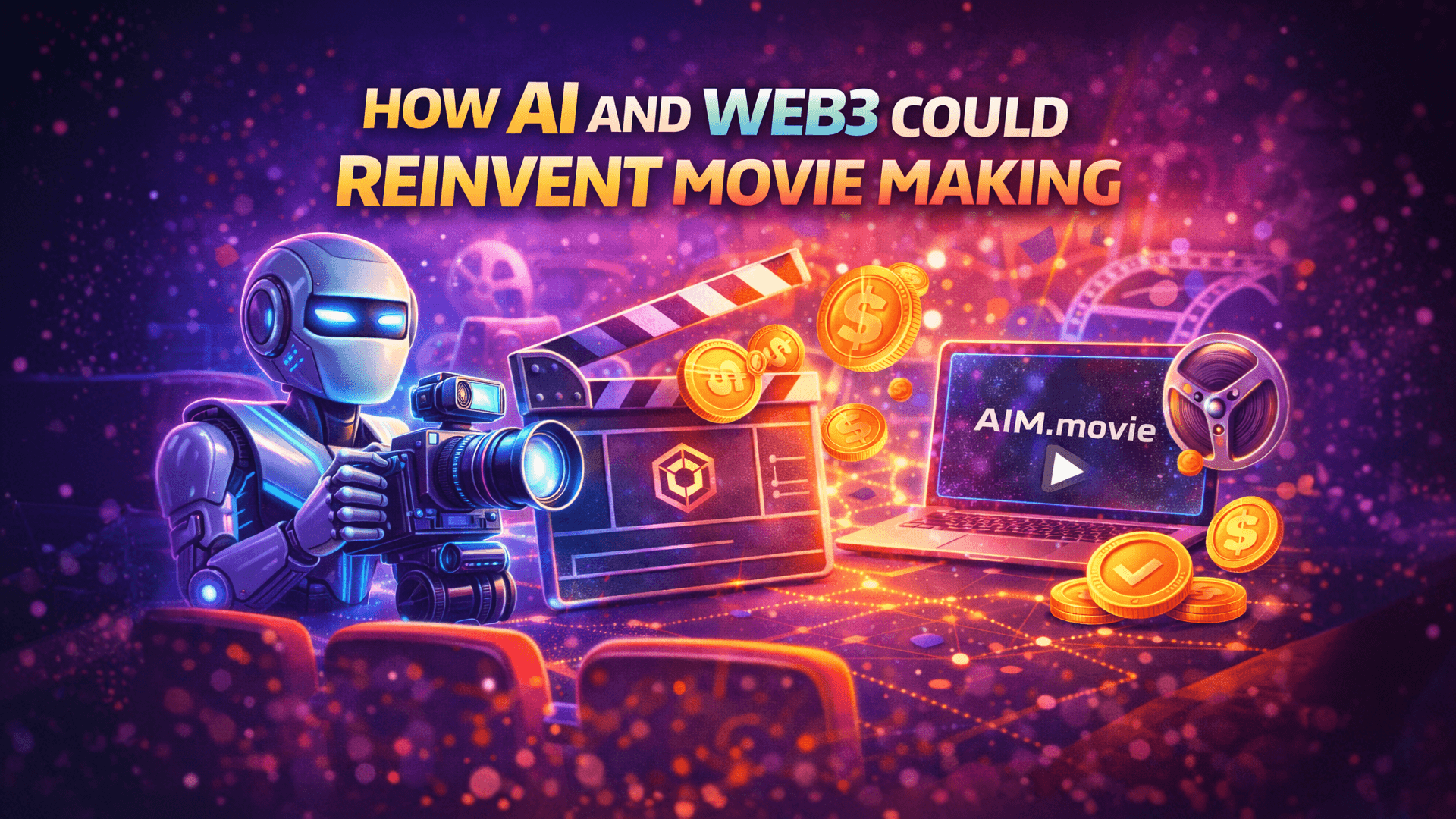
The film industry has always been shaped by a small number of decision-makers, from studio executives to distributors. But a new wave of platforms is aiming to change that. One of them is AIM.movie, an AI-powered, Web3-enabled movie creation and streaming platform designed to help creators take an idea from concept to distribution with far less friction.
In a conversation from Genzio Media’s AI News coverage, co-founder Mark Wang described a system built around audience participation, lower production costs, and creator-first economics. The goal is simple: make it easier for new stories to get made and easier for creators to keep the value they generate.
Why the traditional movie model is under pressure
Hollywood has long relied on gatekeeping. Scripts are pitched, rejected, revised, and often recycled into safer franchise bets. That dynamic is part of why so many original ideas never make it past the early stages. Wang pointed to widely known breakout projects such as Squid Game and Stranger Things as proof that studios do not always predict what audiences want.
This is where new tools matter. AI movie production can speed up early development, reduce costs, and open the door for more creators to participate. It does not replace storytelling skill, but it can remove some of the technical barriers that historically made filmmaking expensive and slow.
How AIM.movie works
AIM stands for audience initiated media, and the platform is built around a full creative workflow:
Creators submit film ideas or scripts
The community can show interest and help crowdsource funding
AI tools assist with production
Finished content is distributed through the platform
According to Wang, the platform also uses decentralized storage and decentralized CDN infrastructure to reduce operating costs. Those lower costs are part of what makes a higher creator revenue share possible.
If you want to explore more stories about innovation in media and technology, visit the Genzio Media homepage or browse the full category hub.
Why creator economics are central
One of the biggest selling points behind AIM.movie is monetization. The platform positions itself as a response to the revenue splits common on large distribution platforms. By using AI-assisted production and decentralized infrastructure, the team says creators can keep a much larger share of their earnings.
That creator economy angle is increasingly important as filmmakers, video makers, and independent studios look for alternatives to traditional pipelines. For readers interested in broader business and monetization trends, see Genzio Media’s finance coverage.
AI, Web3, and the future of distribution
What makes AIM.movie especially interesting is the combination of technologies it is trying to blend. AI helps with production. Web3 enables community funding and ownership models. Decentralized storage supports streaming and delivery. Together, those elements could reshape how quickly media projects are funded and launched.
For a deeper look at the technical and industry backdrop, useful references include McKinsey’s research on generative AI and the National Information Standards Organization’s work on content delivery infrastructure.
Built for global storytelling
Wang also noted that localization matters. Stories, humor, and audience expectations differ across regions, which means a single global template may not be enough. The team is already thinking about localized versions for markets such as Saudi Arabia, where audiences may want different stories and cultural framing.
That global perspective is important because AI tools are becoming more adaptable, but creative judgment still depends on cultural context. This is why the platform is currently using third-party AI tools while it trains its own model over time.
What comes next
At this stage, AIM.movie is still building. The platform is not yet a fully autonomous AI film studio. Instead, it is moving in phases: first integrating existing AI tools, then training its own video model, and eventually expanding localization and distribution options.
The team says it includes Hollywood veterans, technical talent from companies like Microsoft and Google, and advisors with visual effects experience. That mix suggests a serious attempt to combine creative expertise with new production infrastructure.
Why this matters
Whether AIM.movie becomes a major platform or simply part of a broader industry shift, the underlying idea is powerful. Creators want better tools. Audiences want fresher stories. And the economics of media are increasingly being tested by AI-driven workflows and decentralized systems.
For readers following the evolution of tech-powered media, this is a space worth watching. You can also explore more related coverage in Entertainment and Events for more creator and industry stories.
FAQ
What is AIM.movie?
AIM.movie is an AI and Web3 movie creation platform focused on idea submission, community funding, production, and distribution.
How does AI help filmmaking?
AI can speed up early-stage production, reduce costs, and help creators move from concept to content faster.
Why is Web3 part of the model?
Web3 tools can support decentralized funding, storage, and distribution while giving creators more control.
About

Featured Posts



Explore Topics