Movement CEO on Stablecoins, Payments, and Crypto Adoption
Movement CEO Torab Arya explains why the project is focusing on payments, remittances, and stablecoins, and why ecosystem traction matters more than language.

Genzio
Movement CEO on Stablecoins, Payments, and Crypto Adoption
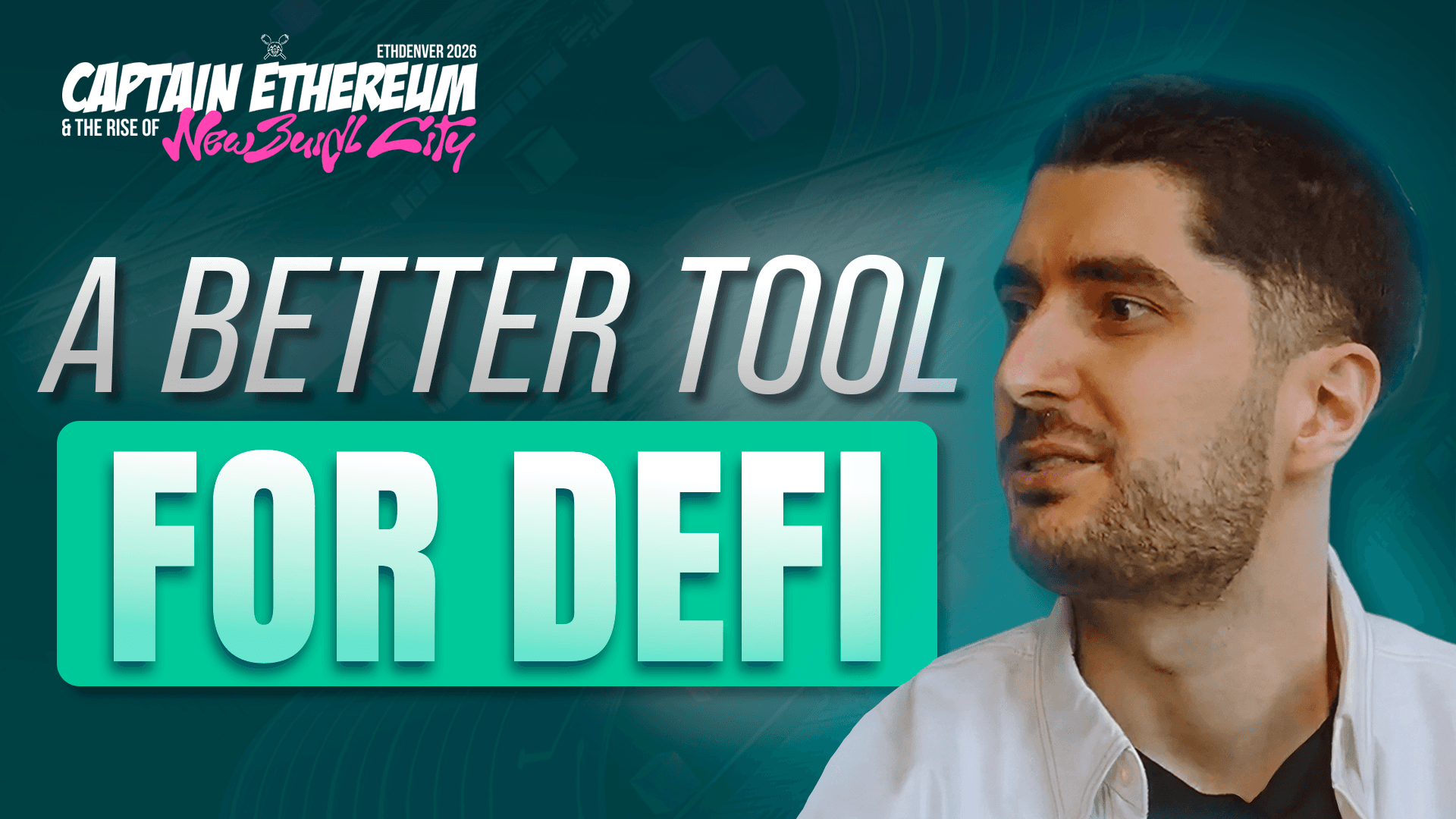
Movement CEO Torab Arya is thinking past crypto hype and toward real utility. In a conversation at ETHDenver, he outlined how Movement is evolving from a Move-based blockchain project into a platform focused on payments, remittances, and stablecoin infrastructure.
That direction reflects a broader shift in crypto: users and builders are increasingly asking which chains solve real problems, not just which ones have the most elegant technology. For Movement, the answer is becoming clearer around financial use cases, especially in markets where mobile-first money and cross-border transfers matter most. For more coverage of blockchain business models and ecosystem strategy, see our finance coverage and our AI news section.
From teaching to tech to crypto
Arya’s background is unusually broad for a crypto founder. He studied theology at UC Berkeley, learned Arabic, taught at a university, and worked as a music and special education teacher before moving into tech at Salesforce and Sensor Tower. From there, he entered crypto in 2017 and eventually moved through the Solana ecosystem before joining Movement as a founding team member.
That path helps explain his focus on practical adoption. Arya speaks less like someone chasing a niche technical narrative and more like a builder thinking about what ordinary users actually need. If you want a broader look at the company and its ecosystem, visit Genzio Media.
What Movement is building
Movement uses the Move VM, the execution environment tied to the Move language originally developed in the Libra/Diem era. Arya explained that the name comes directly from that lineage. But he also made clear that the language itself is not the main reason people will choose one chain over another.
Instead, he believes distribution, network effects, liquidity, and product fit matter more. In his view, crypto has too many chains and not enough meaningful applications. Movement’s strategy is to focus on use cases that create real demand for blockspace, especially in payments and remittances.
Move VM as the execution layer
Payments and remittances as the strongest near-term opportunity
Product-led growth instead of tech-only marketing
Why payments and remittances are the focus
Arya argued that the most important opportunities in crypto now sit in financial infrastructure. Stablecoins, in particular, are becoming one of the clearest real-world use cases because they allow people to save and earn in dollar terms, especially in regions dealing with inflation and currency volatility.
He pointed to strong interest from the Global South and Latin America, where users often have immediate reasons to adopt stablecoins. In these markets, the ability to send money, receive payments, and preserve purchasing power can matter more than any blockchain branding or speculative narrative.
For readers following the broader market for digital assets and money movement, the finance category offers more updates on the business side of crypto.
Vertical integration and value capture
Another major theme in the conversation was Movement’s move toward vertical integration. Arya said the team is bringing more products in-house, including lending and decentralized exchange functionality, rather than relying entirely on external partners.
The reasoning is simple: specialization can reduce complexity, improve user experience, and help the business capture more value. In a crowded crypto market, that kind of focus can also make it easier for partners and users to understand what a chain is actually for.
This is part of a larger pattern across crypto, where projects are increasingly forced to choose between being broad and being excellent at a few core things. Arya’s view is that the winners will be the ecosystems that define their niche clearly and execute well.
Infrastructure, wallets, and the UX problem
Arya also highlighted a major challenge for Move-based systems: infrastructure has historically been built for the EVM first, leaving newer ecosystems to work harder to attract support. He noted that onboarding and wallet creation remain major barriers to mainstream adoption.
That is why Movement values partners that simplify access, such as wallet solutions that let users create accounts with familiar credentials instead of seed phrases alone. In crypto, the user experience problem is often the real bottleneck. If onboarding is too hard, even strong technology loses momentum.
According to the team’s perspective, the next wave of adoption will depend less on whether a chain is technically better and more on whether it is easier to use, easier to trust, and easier to build on. For more ecosystem and event-related coverage, see events coverage.
Stablecoins as the next major adoption wave
Stablecoins are central to Arya’s long-term thesis. He believes they represent one of the most important bridges between crypto and everyday finance, especially if users can earn, save, and transact in money that behaves predictably.
He also raised a broader macro question: if stablecoins become deeply embedded in crypto, national currencies and state-backed payment systems may face stronger competition. That makes stablecoin adoption not just a product issue, but a geopolitical and regulatory one as well.
Whether the market settles around USD-backed assets or sees more local-currency alternatives, the core idea is the same: crypto is moving closer to financial utility than pure speculation.
FAQ
What is Movement?
Movement is a blockchain project built around the Move VM, with a growing focus on payments, remittances, and stablecoin use cases.
Why is Movement focusing on finance?
Because Arya believes the strongest demand in crypto now comes from real-world money movement, especially in markets affected by inflation or high transfer costs.
Does the Move language matter?
It matters technically, but Arya says ecosystem traction, network effects, and user adoption matter more for long-term success.
Who is Movement targeting?
The project is targeting users and partners who need practical financial infrastructure, especially in global markets where stablecoins can solve immediate problems.
About

Featured Posts



Explore Topics