Movement CEO on Crypto’s Next Wave: Payments and Stablecoins
Torab Arya explains how Movement is focusing on real-world crypto utility, from stablecoins and remittances to better onboarding and network-driven adoption.
Genzio

Movement CEO on Crypto’s Next Wave: Payments and Stablecoins
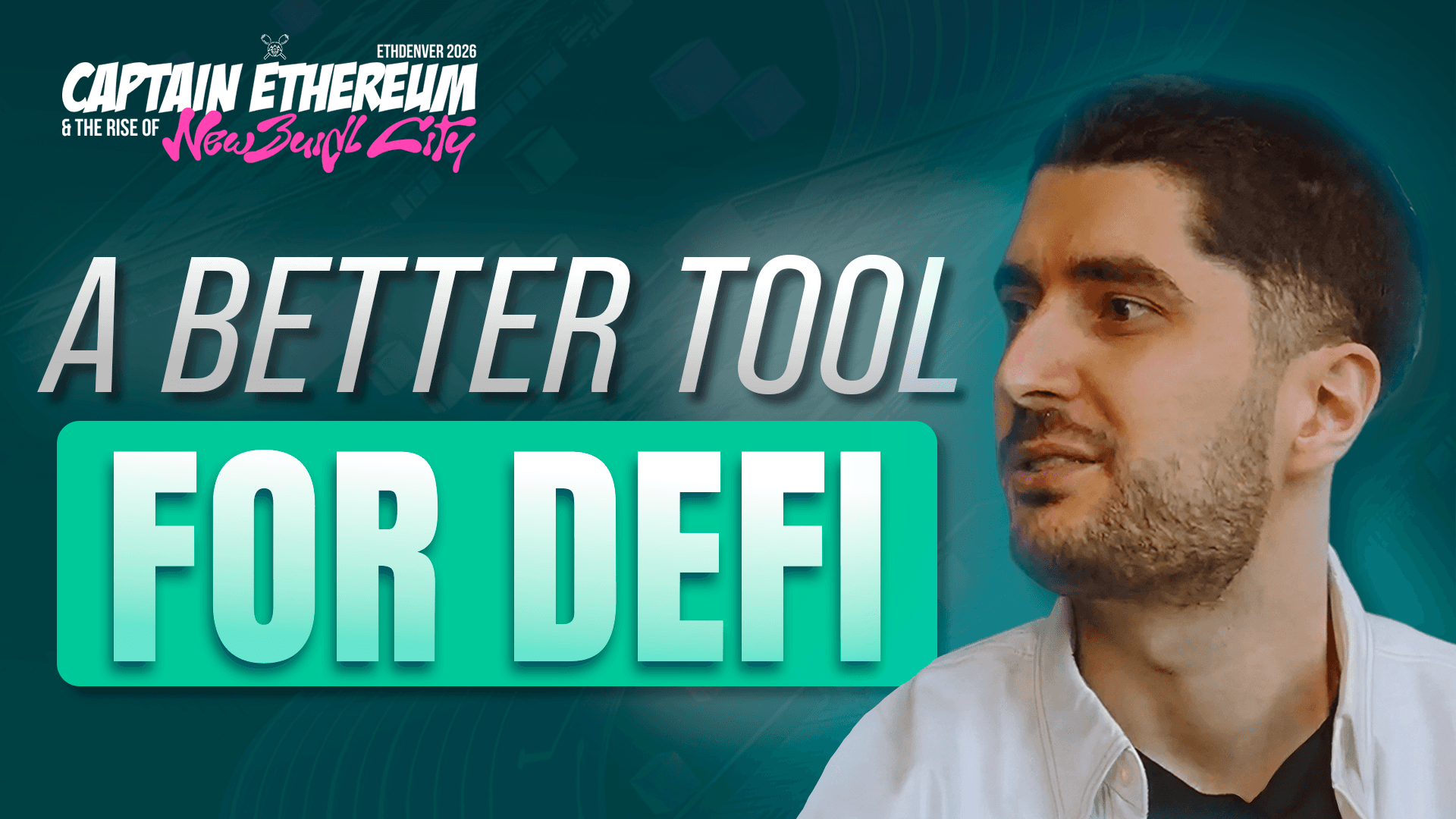
At ETHDenver, Movement CEO Torab Arya made a clear case for where crypto is headed next: not toward more hype, but toward real utility. For Movement, that means payments, remittances, stablecoins, and a simpler way for everyday users to access blockchain-based financial tools.
Arya’s message was practical. In a market crowded with layer-1s and layer-2s, he believes the winners will be the ecosystems that solve real problems, build strong distribution, and capture value. That thesis is shaping finance coverage on Genzio Media and the way teams in crypto think about product-market fit.
What Is Movement?
Movement is a blockchain ecosystem built around the Move programming language and Move VM, the execution environment originally associated with Meta’s Libra project. Arya explained that the project’s name comes directly from that technical foundation. While Move has a reputation for stronger safety properties, Arya argues that language alone is not what makes a chain succeed.
Instead, he says distribution and network effects matter most. In his view, users do not choose a chain because of its seat belts; they choose it because the ecosystem is active, useful, and easy to join. That is why Movement is leaning into use cases where crypto can feel more like a product than a protocol.
Why Payments and Remittances Matter
According to Arya, Movement is seeing strong interest in payments and remittances. Those categories are especially important because they connect crypto infrastructure to everyday financial activity. That is also where stablecoins are becoming a major driver of adoption.
For readers tracking the broader institutional and consumer shift, reports from organizations like McKinsey and policy research from the Bank for International Settlements show how digital assets and payment rails continue to evolve beyond speculation.
Arya pointed to the Global South as a major area of growth, where people often face inflation, bank friction, and weaker local currencies. In those markets, the ability to earn and save in dollars can be a meaningful advantage. Stablecoins are especially attractive because they can help users store value, move money, and access dollar-denominated financial tools more easily.
Stablecoins and the Battle for Financial Access
Movement sees stablecoins as more than a trading instrument. Arya described them as a real-world tool for users who want stability and optionality. In countries where inflation undermines local purchasing power, dollar-backed assets can act as a practical financial bridge.
This is one reason stablecoin adoption continues to attract attention from both fintech firms and policymakers. Industry analysis from Deloitte Financial Services also highlights how digital money rails are pushing payment systems toward faster, cheaper, and more programmable transactions.
Arya also suggested that stablecoin competition may intensify as countries and issuers try to create alternatives to U.S. dollar dominance in crypto. His view is that the strongest products will be the ones users actually trust and choose, not the ones that exist only because they were issued locally.
Movement’s Strategy: Vertical Integration and Better UX
Another major theme from Arya’s interview was verticalization. Movement is increasingly bringing more infrastructure in-house, including pieces like lending and decentralized exchange functionality. The goal is to reduce fragmentation, improve user experience, and capture more value within the ecosystem.
This mindset reflects a broader shift across crypto: users want fewer choices, more clarity, and less friction. Arya emphasized that too many products in crypto are built backward, with teams designing a solution first and searching for a problem later. Movement wants to reverse that pattern by starting with user pain points and working from there.
That approach includes a strong focus on onboarding. Movement has partnered with infrastructure providers such as Privy to make wallet creation easier, including flows that can use email or ID instead of seed phrases. For mainstream adoption, Arya believes crypto products must feel as simple as the apps people already use every day.
The Role of Network Effects
Arya’s comments also reflect a sober view of the blockchain market. He believes only a few ecosystems are truly winning right now, and that most others are still searching for their place. In his view, Ethereum, Solana, and Hyperliquid stand out because they have distribution, activity, and visible momentum.
That does not mean technical innovation is irrelevant. It does mean that a better developer language or execution model is not enough on its own. If a blockchain wants to matter, it needs users, partners, and meaningful applications that justify repeated use.
For ongoing analysis of emerging ecosystems and product strategy, visit Genzio Media’s AI News section and events coverage for conference insights and ecosystem updates.
Why This Matters for Crypto Adoption
Movement’s thesis is simple but important: crypto adoption will not be driven by technology alone. It will be driven by products that help people move money, preserve value, and access new financial opportunities without unnecessary friction.
That makes Movement’s focus on payments, stablecoins, and remittances especially relevant. These are not niche use cases. They are the kinds of services that can bring blockchain infrastructure into everyday life, particularly for users in markets where traditional financial systems are expensive or unreliable.
Torab Arya’s broader message is that crypto should return to its founding purpose: solving real problems. If Movement can continue building around that idea, it may be well positioned for the next phase of blockchain adoption.
FAQ
What is Movement in crypto?
Movement is a blockchain ecosystem built around the Move language and Move VM, with a growing focus on real-world financial use cases.
Why is Movement focusing on payments and remittances?
Because these are high-value, everyday use cases where crypto can provide faster, cheaper, and more accessible financial movement.
Why are stablecoins important to Movement’s strategy?
Stablecoins can help users save and spend in dollar-denominated assets, especially in regions affected by inflation or currency volatility.
What makes onboarding such a big deal?
Crypto adoption often fails when wallets and seed phrases are too complex. Easier onboarding can make blockchain products feel much more usable.
About

Featured Posts



Explore Topics