Inside The Graph: Powering the Future of Blockchain Data
The Graph Foundation is helping Web3 move beyond raw blockchain records by making data readable, searchable, and usable through decentralized indexing and new data services.
Genzio
Inside The Graph: Powering the Future of Blockchain Data
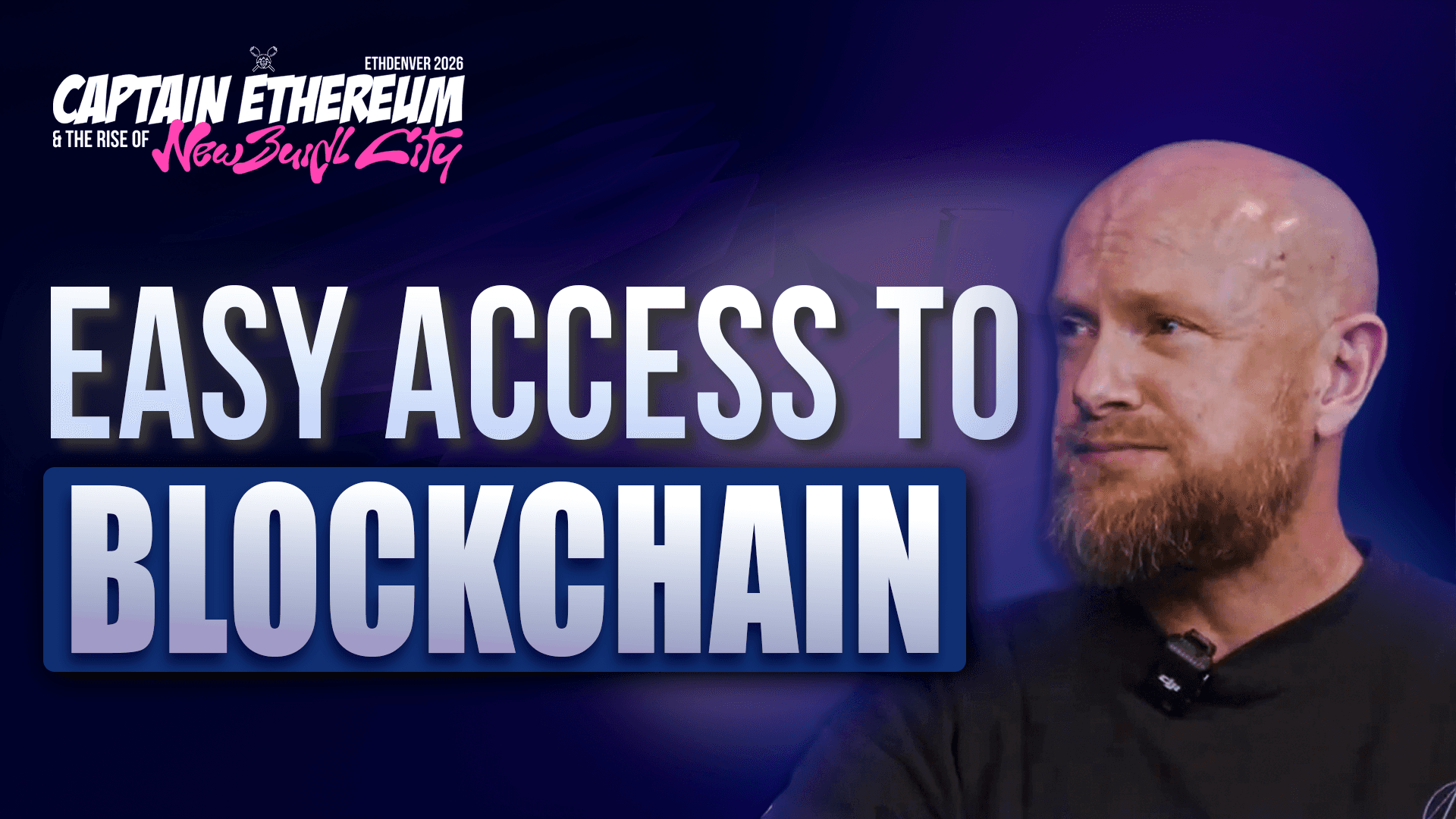
The Graph has become one of the most important pieces of infrastructure in Web3 by solving a simple but critical problem: blockchains are built to write data, but applications need a clean way to read it. In a conversation from Ethereum Denver, Nick Hansen of The Graph Foundation explained how the protocol helps developers, node operators, and data consumers make blockchain information usable at scale.
If you want a broader look at the ecosystem behind this kind of innovation, explore our AI News coverage and our finance category for related stories on tech infrastructure, digital assets, and market adoption.
What The Graph does
The Graph is a decentralized indexing protocol that organizes blockchain data so it can be queried more easily. Hansen described it as the infrastructure that powers tools like dashboards, portfolio trackers, and blockchain explorers. Instead of forcing developers to dig through raw chain data, The Graph structures that information into something applications can actually use.
That role has made The Graph a foundational layer for many Web3 products. It was an early mover in blockchain indexing and helped establish subgraphs as a common standard for accessing data across networks.
Why blockchain data needs indexing
Public blockchains are transparent, but transparency alone does not make data useful. Developers still need a reliable way to search, filter, and organize that data before they can build on top of it. The Graph fills that gap by turning complex blockchain state into something readable and queryable.
For non-technical users, the easiest way to think about it is this: if a blockchain is the ledger, The Graph is one of the systems that helps applications make sense of that ledger. That is why it sits so close to the core of many crypto products.
The role of The Graph Foundation
The Graph Foundation is a nonprofit team that manages the treasury and supports the long-term health of the protocol. Hansen said the foundation acts as a steward, funding projects and helping guide ecosystem growth while keeping the protocol aligned with its mission.
Because The Graph is decentralized, the foundation does not control the network in a traditional corporate sense. Instead, it helps coordinate support for the ecosystem, encourages responsible growth, and works with contributors who want to strengthen the protocol.
To understand more about how this governance-first approach fits within the wider ecosystem, see our culture category for stories about how communities organize around emerging technology.
How chain onboarding works
One of the most interesting parts of the interview was Hansen’s explanation of chain onboarding. The Graph can support many blockchains, but it does not add every network automatically. There are real operational costs, so the ecosystem evaluates factors such as developer activity, growth potential, and long-term sustainability before supporting a chain.
This is an important sign of maturity. Rather than chasing every network indiscriminately, The Graph appears to be taking a more strategic approach to scaling.
Node operators and incentives
The Graph relies on a distributed network of node operators who store data and serve queries. Hansen emphasized that the network is permissionless, which means anyone meeting the requirements can participate. Operators range from solo participants running infrastructure at home to larger enterprise-level teams.
That openness is balanced by incentives. Operators typically stake the native token and take on commitments that help ensure they act in good faith. Delegators can also support operators by allocating tokens to them, which helps scale network capacity and reward useful service.
Node operators store and serve blockchain data
Delegators help allocate resources to trusted operators
Staking adds economic security and accountability
How The Graph supports revenue and sustainability
Hansen noted that The Graph Foundation itself is nonprofit, so its job is not to directly monetize the protocol. Instead, the economic activity happens at the network level, where service providers earn rewards by answering queries and supporting users who need blockchain data.
This matters because the broader Web3 industry is increasingly focused on sustainability. Projects can no longer rely on hype alone; they need durable models that support both growth and real usage. The Graph’s structure is designed around that reality.
The Graph’s future: from indexing to data services
Hansen said the team recently released a new roadmap that moves The Graph beyond indexing and toward a broader data services platform. The idea is to make it easier for teams to launch data products directly on The Graph, using its decentralized network as the backend instead of a centralized cloud provider.
That could make The Graph even more important as Web3 matures. If more teams build data services on top of decentralized infrastructure, The Graph may become a key layer for open data in the next phase of the internet.
For readers following the broader event and ecosystem coverage, you can also browse our events category and the main category hub for more coverage of industry conversations and launches.
Why it matters
The Graph matters because it solves one of blockchain’s most practical problems: access. Without indexing, blockchain data is difficult to use at scale. With it, developers can build faster, users can get better tools, and the ecosystem can support more complex products.
As the protocol expands into data services, its value may extend well beyond indexing. The big idea is simple but powerful: decentralized data should be easy to find, easy to use, and available to the people building the next generation of applications.
Helpful resources
To learn more, visit The Graph’s official website at https://thegraph.com/ and review the protocol documentation at https://thegraph.com/docs/. For broader context on blockchain infrastructure and ecosystem growth, the Ethereum Foundation at https://ethereum.org/ and Messari’s research portal at https://messari.io/ are also useful starting points.
FAQ
Is The Graph only for Ethereum? No. The Graph can support multiple blockchains, though each network is evaluated before onboarding.
Do I need to be technical to use it? Not necessarily. Developers use it directly, but non-technical users benefit from the apps and tools it powers.
Is The Graph Foundation a company? No. It is a nonprofit stewarding the protocol and supporting ecosystem growth.
About

Featured Posts


Explore Topics