Inside CertiK: The Future of Web3 Security
A CertiK security engineer explains how formal verification, AI, and continuous monitoring are reshaping blockchain protection beyond the traditional one-time audit.

Genzio

Inside CertiK: The Future of Web3 Security
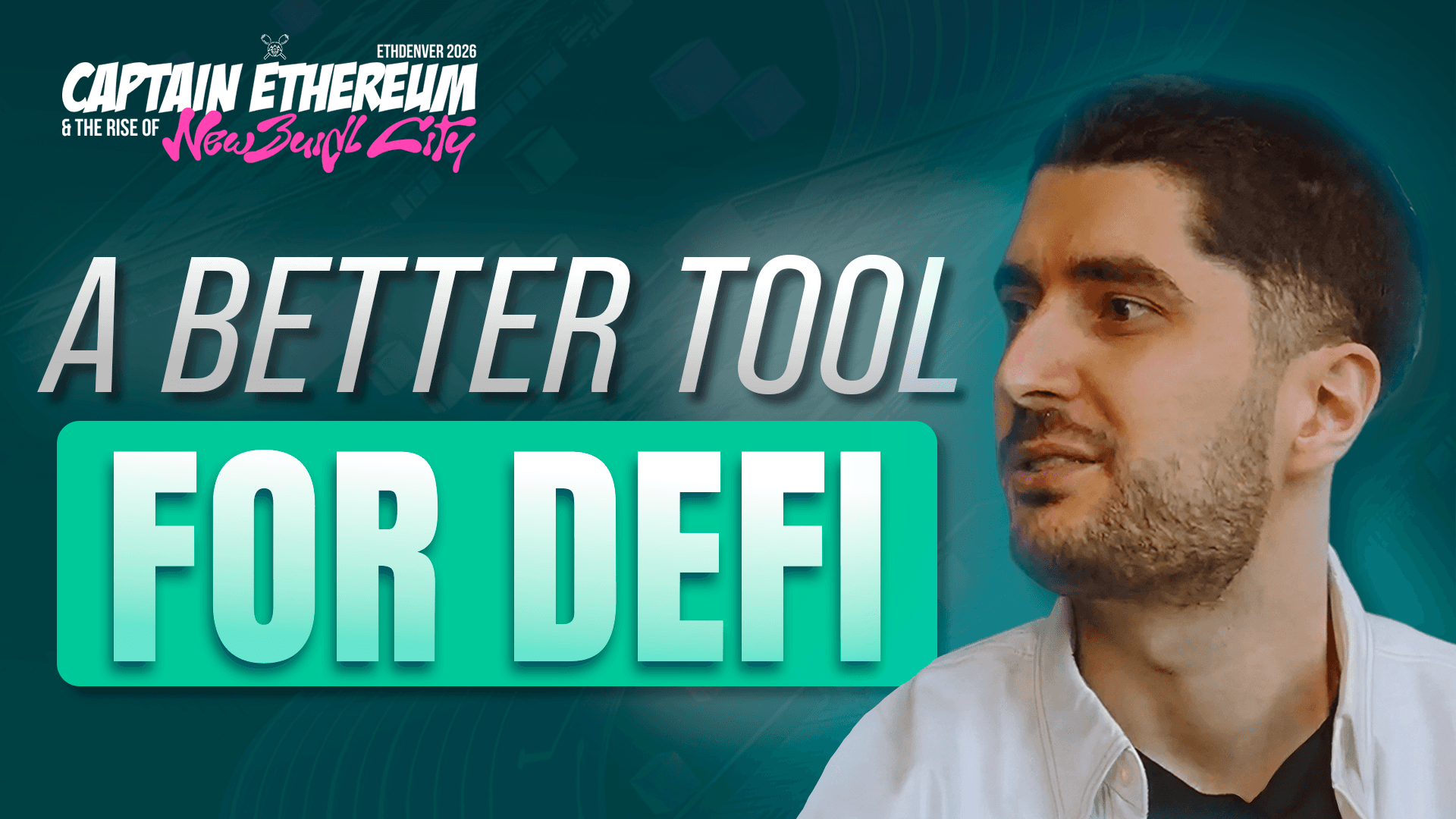
Web3 security is changing fast, and the old idea of a single audit before launch is no longer enough. In a recent conversation at ETH Denver, a CertiK security engineer explained how the firm uses formal verification, static analysis, AI, and continuous monitoring to help blockchain projects launch more safely and stay protected after deployment.
For founders, developers, and users, this shift matters. Smart contract risks, admin-key mistakes, and weak tokenomics can affect real money. That is why blockchain security now looks more like an ongoing service than a one-time checklist. For more coverage of crypto and digital asset risk, visit the Finance section and the AI News section.
From formal verification to blockchain security
CertiK’s origin story comes from academic research and a broader effort to bring stronger guarantees to software systems. The company was built around formal verification, a method that uses mathematical reasoning to prove whether a system behaves as intended. In blockchain, that approach is especially valuable because bugs in smart contracts can lead to direct financial losses.
That foundation still shapes how the company works today. Instead of relying only on manual review, teams combine research-driven methods with practical auditing workflows. You can learn more about the company’s broader work at Genzio Media and browse related coverage in the Finance category.
What a security engineer actually does
The CertiK engineer described a role that spans multiple ecosystems, including Solidity, Solana, Cosmos, and WASM. That kind of coverage reflects how Web3 security has become multi-chain and highly technical.
Smart contract auditing
Static analysis and code review
Protocol and architecture assessment
Incident response and follow-up monitoring
Client education on operational risks
In practice, the job is not just about finding bugs. It is also about helping teams understand how their systems can fail, where trust assumptions are hidden, and how to reduce risk before launch.
Why one-time audits are not enough
One of the strongest themes in the interview was that security cannot stop at launch. Web3 projects move quickly, attackers spend more time searching for weaknesses, and smart contract environments change constantly. A report delivered before deployment is important, but it does not guarantee long-term safety.
That is why CertiK and similar firms increasingly rely on layered protection: automated scanners, continuous monitoring, repeat assessments, and rapid response when something suspicious appears. The engineer also emphasized that human expertise still matters, especially when incidents have real users behind them.
For a deeper look at how blockchain events and industry conversations shape this space, see the Events category.
Security is bigger than code
Another key takeaway is that protecting a smart contract is only the first step. Real-world damage often comes from operational mistakes, not just bad code. Admin privileges, private key storage, centralized control, and poor governance can all create serious exposure.
That is why security teams increasingly advise projects on how their systems are managed, not just how they are written. Good security means helping teams protect users, funds, and the people running the protocol. In other words, a safe contract with unsafe operations is still risky.
AI helps, but humans still lead
AI is becoming a bigger part of the security workflow. The interview highlighted its use in monitoring, scanning, and scaling analysis so humans can focus on the most critical issues. At the same time, attackers are also using AI to improve efficiency, which raises the stakes.
The practical takeaway is simple: AI can accelerate defense, but it cannot replace judgment. Incident response, root-cause analysis, and risk communication still require experienced people who understand both the code and the broader context.
This is where the next phase of Web3 security is heading: more automation, more continuous protection, and more human oversight where it matters most.
What this means for Web3 founders
If you are launching a blockchain project, the message is clear. Security should be treated as an ongoing process, not a last-minute task. Teams should plan for audits, monitoring, re-audits, and response procedures from the beginning.
Build security into product planning early
Review both code and operational controls
Use monitoring after launch
Educate the team about admin and wallet risks
Budget for follow-up assessments and incident response
Projects that take security seriously are more likely to earn trust and grow sustainably. That was the engineer’s definition of success: not perfection, but helping clients become safer, stronger, and more resilient over time.
FAQ
Is a Web3 audit enough to keep a project safe?
No. Audits are essential, but continuous monitoring, governance review, and incident response are also necessary.
Can AI fully automate blockchain security?
Not yet. AI can assist with scanning and monitoring, but human experts are still needed for judgment and response.
Why is formal verification important?
It uses mathematical methods to prove that certain system behaviors are correct, which can reduce the chance of critical bugs.
What is the biggest Web3 security mistake teams make?
Treating security as a one-time event instead of an ongoing process that includes code, operations, and user protection.
About

Featured Posts




Explore Topics