Death Tech and the Digital Legacy You Need to Plan
End-of-life planning now includes your digital life. Learn how legacy contacts, passwords, beneficiaries, and estate documents can protect your loved ones from avoidable chaos.

Genzio
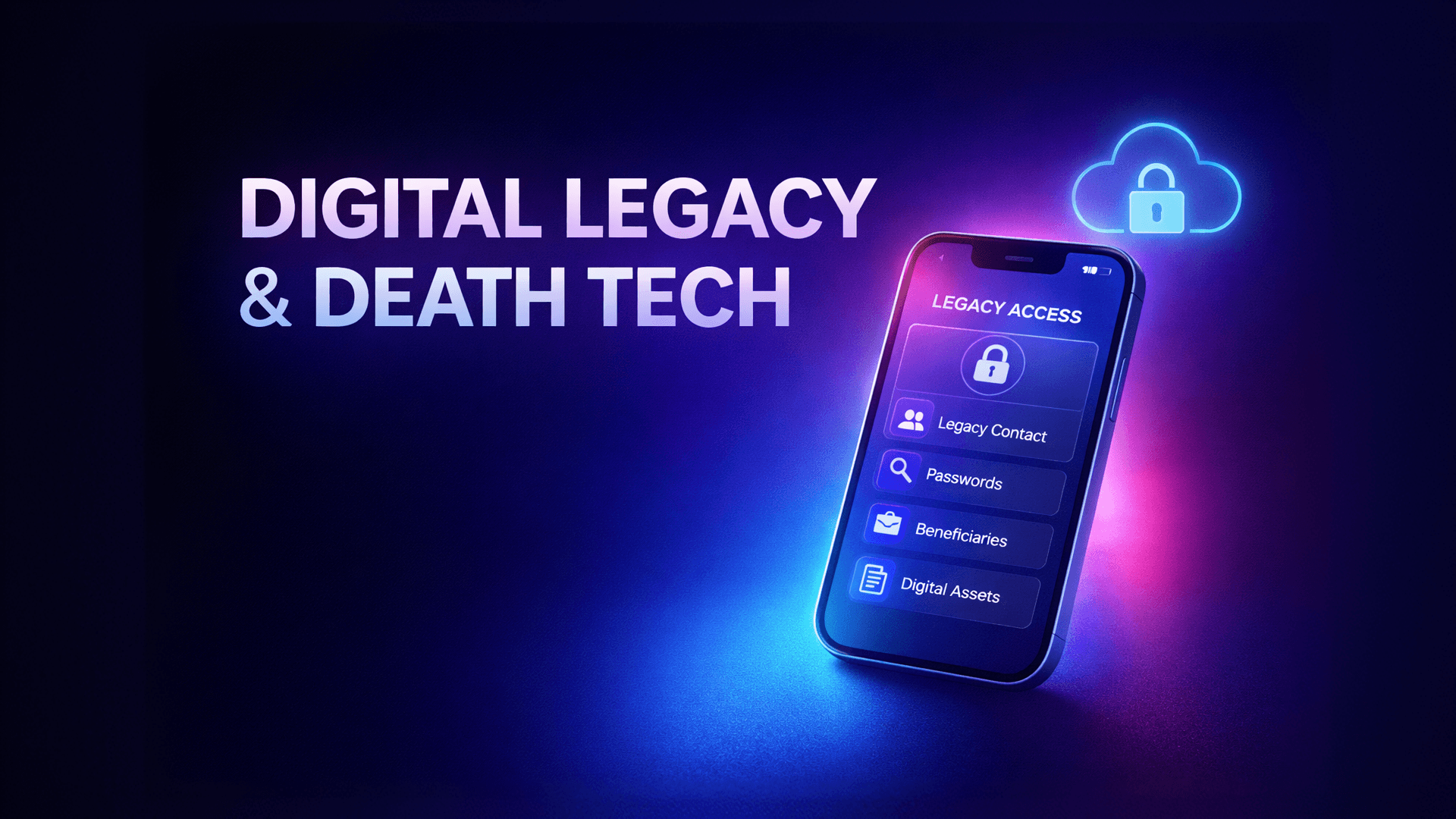
Death Tech and the Digital Legacy You Need to Plan
Most people spend years building a digital life, but very few think about what happens to it after they die. From crypto wallets and cloud photos to subscriptions, passwords, and bank logins, your online footprint can become a real burden for the people you leave behind. That is why digital legacy planning is moving from a niche idea to a practical part of modern estate planning.
In a recent conversation at a conference in Denver, ENDevo founder Nikki Weiss described this space as culture-changing because it forces people to confront a topic that is usually avoided. Her company focuses on death tech and end-of-life planning tools designed to help families, employers, and individuals prepare before a crisis happens.
If you are already managing financial accounts, online subscriptions, and a growing digital footprint, it makes sense to treat your digital afterlife with the same care you give your finances and family records. For more stories on practical life planning and modern social trends, visit Genzio Media.
What digital legacy planning actually means
Digital legacy planning is the process of deciding who can access, manage, or close your online accounts and digital assets after your death. It can include:
Email accounts and password managers
Cloud-stored photos, videos, notes, and documents
Financial apps and bank accounts
Social media profiles
Crypto wallets and Web3 assets
Subscription services and recurring billing
The goal is not just access. It is reducing confusion, preventing fraud, and making sure loved ones do not have to guess what to do in an already difficult time.
Why your phone settings matter more than you think
One of the most useful examples in the conversation was Apple’s Legacy Contact feature. Apple explains that you can designate trusted people to access your account data after your death, provided they have the necessary key and documentation. You can learn more directly from Apple’s support pages at Apple Legacy Contact.
Google also offers account planning options for inactive accounts, which can help Android users set up a similar process. See the official guide here: Google Inactive Account Manager.
These features are not just convenience tools. They are a simple way to avoid leaving family members locked out of photos, records, or important messages when they need them most.
The bigger estate planning problem
Digital legacy is only one part of the puzzle. A complete plan should also cover legal and financial basics like:
Wills and trusts
Beneficiary designations
Life insurance policies
Bank accounts without clear instructions
Recurring subscriptions
Physical documents stored in a safe place
Without this structure, families may end up dealing with probate delays, account recovery headaches, and unnecessary stress. That is why estate planning professionals and consumer advocates keep emphasizing that the best time to plan is before there is an emergency.
Why a physical backup still matters
Even in a digital-first world, a paper trail remains important. Fires, floods, cyberattacks, and locked accounts can all disrupt digital-only systems. A good plan usually includes both digital and physical copies of critical documents so your family can act quickly when needed.
This is a simple but often overlooked principle: if your information matters, it should not live in only one place.
How companies are starting to respond
ENDevo is positioning end-of-life planning as a workplace wellness benefit, especially for HR teams that want to give employees useful support beyond traditional insurance. That approach reflects a broader shift in how organizations think about employee well-being. Just as employers help workers prepare for illness, bereavement, and retirement, they can also help them prepare for the administrative realities that come with death.
For businesses and HR leaders exploring this wider space, the finance category can also provide useful context around planning, protection, and long-term responsibility.
What to do next
If you have not started yet, begin with these steps:
List your important accounts and digital assets
Choose trusted legacy contacts
Review beneficiaries on financial accounts
Store passwords securely in a password manager
Keep a physical copy of key documents
Talk to your family about your wishes
None of this has to be dramatic. It just needs to be intentional. A few hours of planning now can save your loved ones from a lot of confusion later.
FAQ
What is a digital legacy?
A digital legacy is everything you leave behind online, including accounts, photos, documents, subscriptions, and digital assets.
Is a legacy contact enough?
It helps, but it should be part of a larger estate plan that includes legal, financial, and physical documents.
Should crypto holders plan differently?
Yes. Crypto wallets and private keys require especially careful planning because access can be lost permanently without clear instructions.
Where can I learn more about digital planning?
Start with official account tools from Apple and Google, then build a broader estate plan with family and legal guidance.
About

Featured Posts



Explore Topics